

Are There Freeze Resistant Pipes? What You Need To Know

Having your pipes freeze in the winter can leave you scrambling to find a safe way to bathe, wash dishes, and get fresh drinking water as you're wracked with anxiety about whether they'll burst. Once you've been through this, you may want to do anything possible to avoid it happening again, so it's alluring when manufacturers of PEX systems boast that their pipes are resistant to freezing. But is this claim too good to be true?
Instead of traditional materials like steel or copper, pipes in PEX plumbing are made from an expandable plastic called cross-linked polyethylene that is thought to be more resistant to the cycle of freezing and thawing. Unfortunately, there are no truly freeze-resistant pipes; PEX pipes can withstand lower temperatures than other types, but they can still freeze and burst when water gets trapped inside by ice. Like other pipes, they are also subject to degradation with age. It's not a bad idea to install these systems, which can be more affordable, but you should still protect them from winter damage just like traditional piping.
No matter what your pipes are made of, you should never assume a freeze is impossible, but you can do your best to prevent damage by properly insulating them and closing up all nearby gaps where cold air can get in. Take special care around pipes in unheated areas, where caulking any wall cracks can help reduce their risk of freezing. You may have also heard to leave a faucet running at a slight drip when you're expecting temperatures to plummet or bracing for a potential power outage. This simple trick may indeed prevent a winter plumbing headache because it helps keep pressure from building up inside the pipes.
Why 'freeze resistant' pipes can still burst
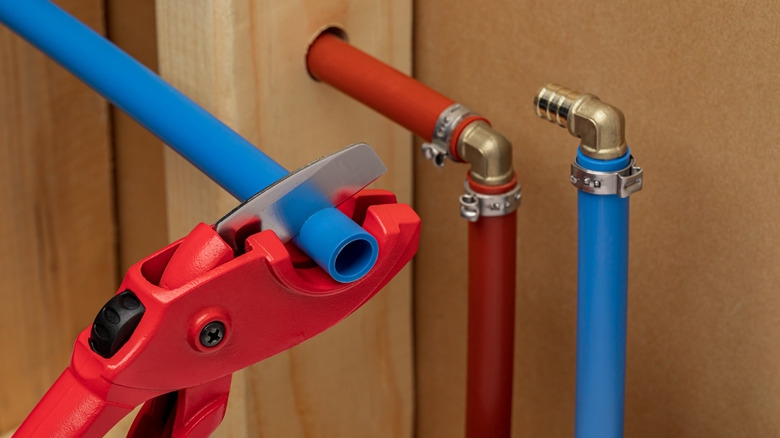
The expandable nature of a PEX pipe means it can accommodate the way ice expands during a freeze, but it's still no match for the real reason pipes burst: water gets trapped under the ice and can exert a pressure so high that even PEX can rupture. And the flexibility of PEX plumbing that some say makes it immune to a freeze won't last forever. The pipes become less flexible over time with years of regular use and erosion from chlorine in the water, which can lead to cracking. With all this taken into account, they can burst under a pressure of 475 pounds per square inch, especially if they're worn down by age or the elements in treated water.
Pipes made of PEX can hold up until the temperature reaches 20 degrees Fahrenheit, whereas water in pipes of other materials tends to freeze at 32 degrees. This means keeping indoor heat at a steady, warm temperature should go a long way toward freeze prevention, but any pipes in drafty attics, basements, or crawl spaces are still at risk.
The time to watch for bursting — even in pipes advertised as freeze-resistant — is after the ice thaws. With all that melting, the pressure changes frequently, stressing out the pipe. This is when a rupture often develops in the lower part of the pipe, usually below the actual block of ice.
Should you still install PEX plumbing systems?
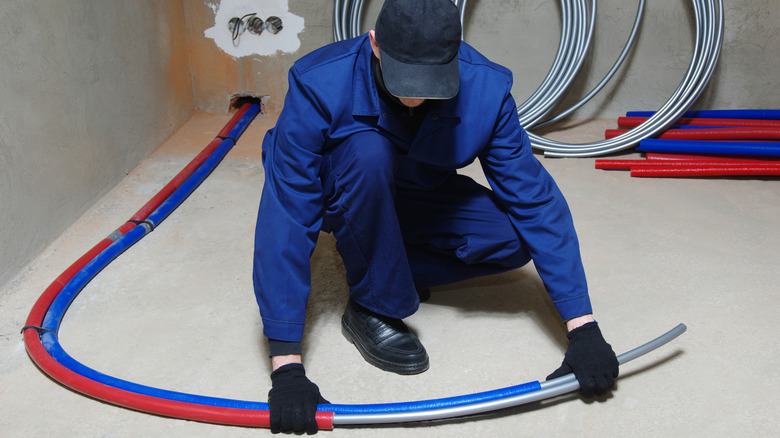
Even though PEX plumbing isn't infallibly freeze-proof, there are benefits to choosing this type of plumbing system in your home. In addition to its lower freeze point, it's more affordable to buy and install compared to copper piping, and if you have to fit the pipes through smaller spaces, the flexibility will come in handy. However, don't go with this material if you have to install some of the piping outside and aren't able to cover it; not only will freezing be a concern, the plastic can disintegrate when it's exposed to UV light from the sun, and rodents can also chew through the material.
If you decide to use the cross-linked polyethylene, it will be very important to insulate any lengths of pipe in unheated spaces and keep the inside temperature higher than 55 degrees Fahrenheit. You can also compromise and try replacing worn-out sections of copper or steel in the areas of your home that are better heated with PEX, which is compatible with these systems.