

The Stunning, Cold-Hardy Tree That Provides Birds Shelter During Winter
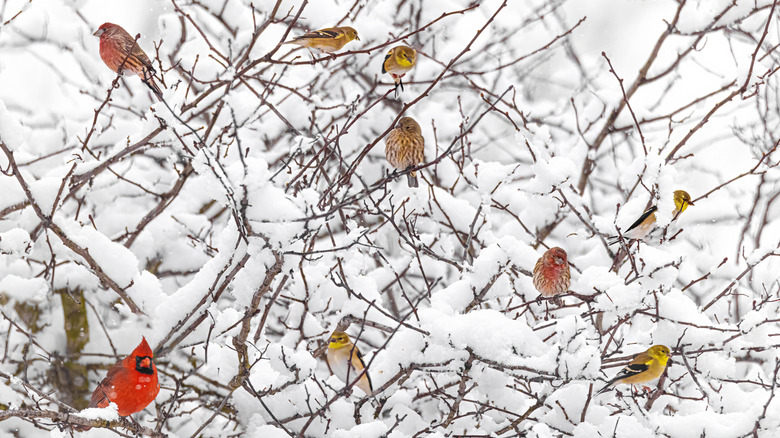
Seeking out shrubs and trees to plant in your backyard for a bird-friendly winter habitat? It feels so good to support birds in frigid weather when you know they're struggling to find food and shelter. It feels even better when you find a tree or shrub well-equipped to support them. One such plant is the beaked hazelnut (Corylus cornuta), a deciduous, native, cold-hardy shrub or small tree that offers shelter to birds in winter.
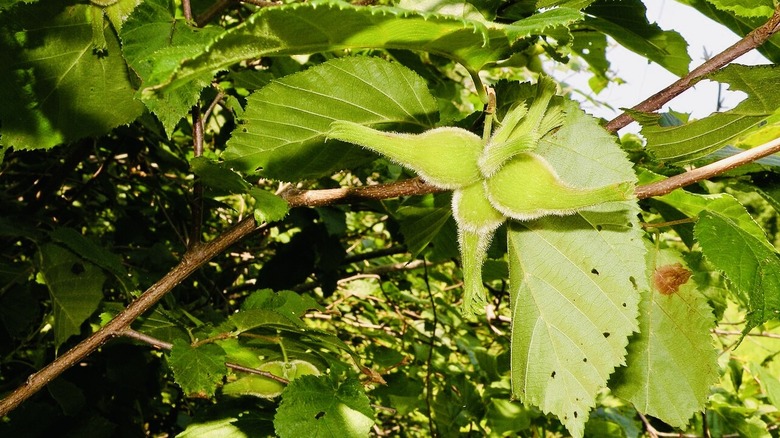
Named for the Latin word for horn (cornuta), referring to the horn-like protuberance on the husks of its nuts, the beaked hazelnut is also sometimes called a filbert. This disease-resistant plant offers an attractive way to shelter winter birds, with pale yellow-gray catkins cascading in winter from the bare branches. This cold-weather show is preceded by bright yellow autumn leaves and succeeded by tiny magenta flowers in the late winter or spring. The nuts mature in the fall. The beaked hazelnut has what it takes to attract a variety of birds to your yard and provide them with winter shelter.
Plant beaked hazelnut for an inviting winter bird habitat
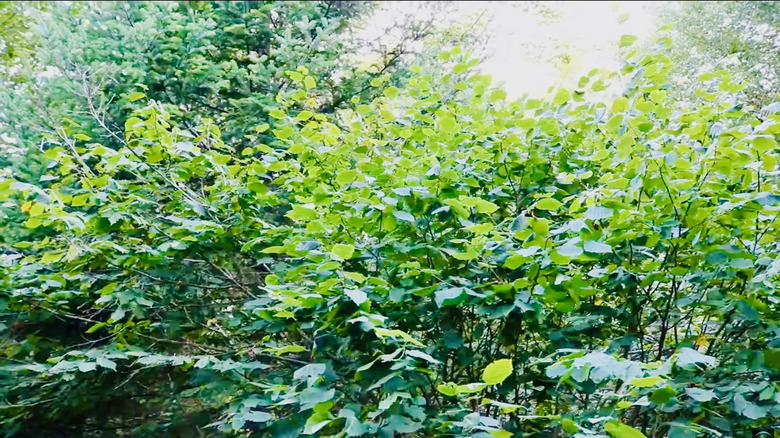
Beaked hazelnut trees offer three characteristics that make them an effective shelter for birds. First, if grown the way they grow in nature — in the understory beneath larger trees — these plants provide ground-nesting and protection from weather elements. That's why many people will plant understory trees when they want to turn their yard into a habitat for birds.
Next, beaked hazelnuts tend to form thickets, which not only provide roosting and a spot to escape predators for many birds, but also help offer them some warmth. Thankfully, the shrubs are cold-hardy in USDA zones 4 through 8.
Finally, a number of birds (and other wildlife) depend on beaked hazelnut trees for food. Turkeys, pheasants, grouse, and jays are ravenous consumers of the hazelnuts, often leaving very little for gardeners to enjoy. The nuts, which are smaller than the hazelnuts sold in stores, are high in protein. Birds and other critters are rewarded with a nutritious feast after significant effort. First, they must remove an outer covering with stiff, needle-like hairs, and then the hard shell, which for humans requires a special tool.
Grow beaked hazelnut from seeds or nursery plants
You can grow beaked hazelnut trees from seed, though as noted, wildlife may give you a run for your money and make nuts scarce if you're trying to harvest them from existing plants. You can also purchase seeds. If harvesting your own, the nuts need to undergo a couple of processes before planting. First, subject them to the float test for viability by placing seeds in a container of water; discard those that float, as they are likely empty. Next, unless you're planting them straight away, the seeds will need to be stratified — kept in a cold place like your refrigerator in a moist medium, such as damp paper towels, for three to six months before planting. Soak them in warm water for 48 hours before stratification. One last consideration about using seeds — just as with many other nut species, resulting plants are not guaranteed to be identical to the parent.
You can also purchase beaked hazelnuts as nursery plants, but supplies of the trees may be limited. You'll want to buy two or three to ensure pollination. Whether transplanting a nursery plant or growing from seed, use well-draining, acidic, moist soil. Plant in a spot offering full sun to partial shade. Beaked hazelnuts are likely to grow to about 15 feet tall and 10 feet wide. Once established, you can propagate further plants by dividing or layering suckers — vertical shoots that grow from shallow roots. Since your goal is to support winter birds, you'll want to watch for signs of winter injury to your trees.