

The Pretty Purple Perennial That Supports Pollinators & Butterflies In Your Yard
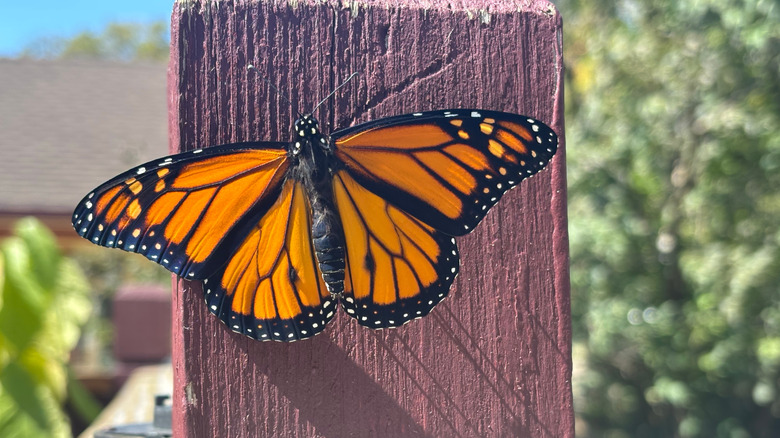
If you're the type of gardener who thinks the butterflies and the bees are just as important as the beauty of flowers and foliage, you're likely already growing at least the beginnings of a pollinator garden. To appeal to a wide range of species, you need to include plants with different heights and types of flowers. Purple coneflower (Echinacea purpurea), black-eyed Susan (Rudbeckia hirta), and bee balm (Monarda didyma) are common in wildlife-friendly landscaping. If you're already growing them, why not add a bushy plant with pea flower-like blooms to the mix? Blue false indigo (Baptisia australis) will add lots of texture to your landscaping while supporting butterflies and other pollinators in your garden.
Blue false indigo is native to the eastern and central U.S. — ranging from New Hampshire to Texas. This perennial member of the legume family blooms from mid-spring to early summer. It has pretty, bluish-purple flowers that are similar to those of lupine, and grows 3 to 4 feet tall with a bushy form and trifoliate compound leaves. The seed pods of blue false indigo ripen black and remain on the plant for winter interest and wildlife food. Even hummingbirds love this pretty perennial. As you can see, there's good reason blue false indigo was named Perennial Plant of the Year by the Perennial Plant Association in 2010. You can grow it in your yard if you live in USDA Hardiness Zones 3 to 9.
How to grow blue false indigo to attract pollinators to your garden
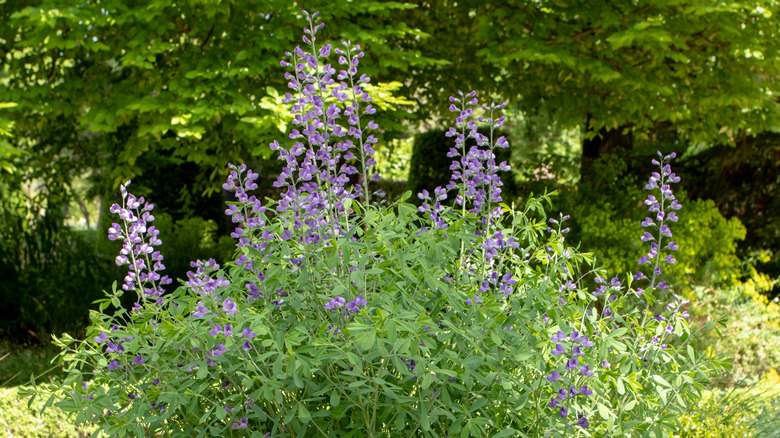
Blue false indigo is perfect for a full sun spot in your garden, though it will do okay in partial shade. This legume is not picky about soil type, but it needs excellent drainage. It's drought tolerant and can grow in dry to moderately moist conditions, which means you won't need to worry too much about balancing its water needs. You can start these plants from seed in September for sweet spring blooms, but don't expect flowers for three or four years. As for its foliage, the blue false indigo is a host plant for various native butterfly species. If you spot caterpillars munching on its leaves, that's a good thing. It means the plant is fulfilling its role in the ecosystem.
If you don't have a dedicated pollinator garden yet, there are plenty of other ways to work blue false indigo into your backyard to support butterflies and bees. You can grow it to help stabilize soil and prevent erosion on slopes or include it in a rain garden. Wherever you plant it, consider complementing it with colorful companion plants that add year-long interest to blue false indigo. For example, butterfly weed (Asclepias tuberosa), an orange-flowering milkweed that grows in similar conditions, works well. Once this tough native perennial is established in your yard, wait until early spring to prune the dead flower stalks back to the ground. They provide winter habitat for beneficial insects.