

Not Just Bathrooms: The Sink Material Making Kitchens Look So Elegant

We may receive a commission on purchases made from links.
A new sink can make what is arguably the busiest room in your home, the kitchen, more functional and more aesthetically pleasing. Isn't a fixture that does double-duty always the goal? Among the materials a sink can be made of, affordable stainless steel is undoubtedly the most common. There are, however, other overlooked options worth considering, like concrete. This beginner-friendly material that brings a standard bathroom up to date isn't just for bathrooms. Concrete is tough, versatile, and surprisingly elegant, meaning it can work in basically any contemporary kitchen design — from rustic or industrial to eclectic or farmhouse.
While the material may be somewhat underutilized in today's kitchens, concrete sinks are, perhaps surprisingly, available in a wide range of styles: chef sinks, double sinks, farmhouse sinks, under-mount sinks, and rectangular, single, or basin kitchen sinks. Concrete is fluid, making it pourable, so it can be easily molded into just about any shape. In some cases, the sink forms a continuous line with a concrete countertop. Colorwise, concrete is often used in its original, raw hue. However, you can also tint the material in practically any color you wish using pigments, which are added to the concrete when it's mixed.
Why choose concrete? The many benefits of these sinks
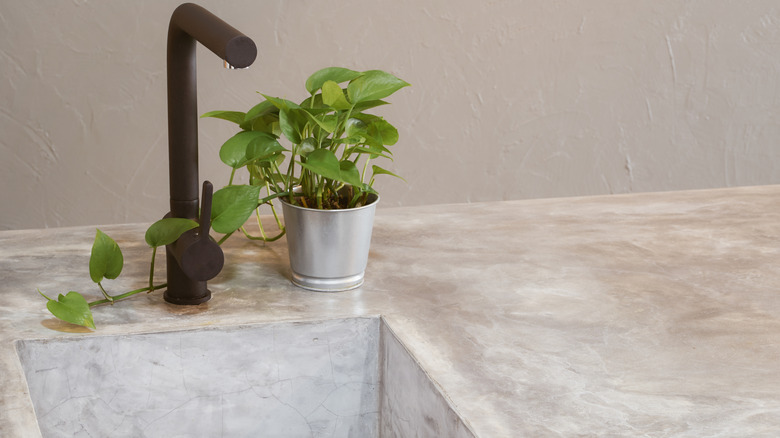
A significant benefit of concrete sinks is their durability. Concrete is used widely in construction because it is able to withstand everything from wild weather to heavy daily use. The material is resistant to heat, scratches, and stains — as long as it is sealed and properly maintained. You can expect a quality-made concrete kitchen sink to last 30 years or more before it needs replacement.
Concrete hasn't always been considered an eco-friendly material, mainly due to the negative effects its production has on the environment. However, many of today's concrete kitchen sinks are manufactured in more environmentally responsible ways, like using recycled aggregates or locally sourced natural materials. Plus, the long lifespan of concrete sinks adds to their ecological appeal; they last longer and need replacing less often, which reduces the amount of hard-to-deal-with bulky waste over the long term.
Just as it costs to put in concrete countertops, a concrete sink is an investment. The labor-intensive manufacturing process can make the fixture more expensive to install than those made of pricey materials like natural stone. Depending on the size and design of the sink, the number of faucet holes you need, and whether the concrete is raw or colored, prices generally start in the low thousands of dollars. Thankfully, that price can be weighed against the long lifespan, reducing the cost over time.
Caring for your concrete kitchen sink
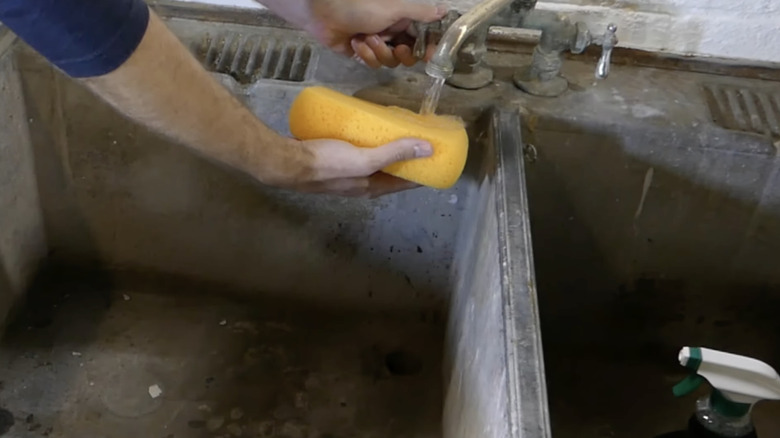
One of the downsides of white concrete countertops and kitchen sinks — or these fixtures in any color, for that matter — is the maintenance required to keep them clean and stain-free. Kitchen sinks get constant use, and exposing the concrete surface to foods known to stain unsurprisingly leaves marks. Avoid leaving tomatoes, red wine, oil, and lemon juice or other acidic foods in the sink for too long.
You can seal the concrete to protect the surface and prevent staining. The sealer needs to be reapplied periodically. How frequently your concrete kitchen sink will need to be resealed depends on the amount of wear and tear it receives. If you see dark spots forming on the bottom of the sink, seal it within the next month to avoid permanent damage. If you prefer a natural approach, wax your concrete sink twice a month with a product like Aristowax Non-Silicone Wood Silk Polish.
Daily cleaning and wiping up spills right away also prevents staining. When wiping down your concrete kitchen sink, avoid harsh cleaners and detergents. They can strip away the sealant or wax finish. Instead, use simple soap and water or household vinegar. Or, to bring stained concrete back to life, sponge on ammonia diluted heavily in water, let it sit on the surface for a little while, scrub with a stiff brush, and rinse with clean water.