

Homeowner Turns An Old Tree Stump Into A Functional Work Of Art For Birds: 'Beautiful Result'
We may receive a commission on purchases made from links.
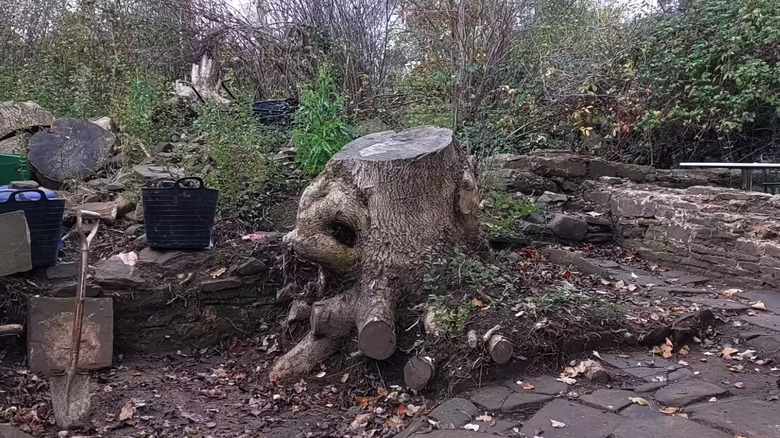
Old tree stumps often turn into eyesores in your lawn, leaving the area looking dingy and unkempt. While some lawn care experts suggest exploring creative ways to repurpose old tree stumps in your yard, others recommend removal to prevent issues with rot, pests, and tripping hazards. While concerns about these issues are valid, they can all be resolved with some quality care and a bit of hard work. YouTuber Afon Tirs took on the massive challenge of turning an old tree stump into a sculpted birdbath — and boy was I impressed! After days of cleaning, carving, and finishing, he ended up with a "beautiful result," according to one commenter, that may have naysayers rethinking stump removal.
Through the years, I have dealt with my fair share of tree removal issues from taking down dangerous trees to converting large stumps into an attraction for woodpeckers using suet feeders, but never have I been able to pull something off quite this involved. While there are plenty of ways to hide the eyesore of a tree stump without removing it, addressing potential long-term damage to your yard is an essential part of the process.
There's a reason why some companies suggest removal rather than repurposing. Leaving a tree stump in the ground unmanaged can cause rot and invite damaging pests such as termites, carpenter ants, and rodents, which can infest other structures in your yard and home. Afon Tirs' bird bath DIY addresses most of these concerns by clearing away weeds and brush that make the stump inviting to pests and cutting away the root system. It is not clear if he chose to finish the wood, but I highly recommend coating it with oil or a sealant that is safe for birds to prevent a wood-boring pest infestation.
It may be beautiful, but is a carved tree stump bird bath worth it?
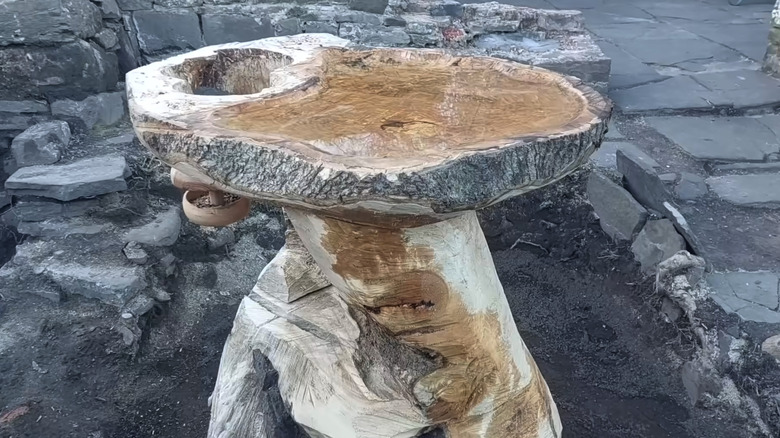
One of the main concerns that lawn care professionals warn homeowners about if they want to leave their tree stumps in the ground is rotting roots, which can lead to pest damage and disease in the soil. But this homeowner addressed those issues right off the bat by digging out the roots and removing large portions of them before starting the carving process. The amount of work that went into this bird bath is astonishing and it may leave you wondering whether it was really worth it. In my opinion, the beautiful result of a rustic, built-in yard feature for birds is something any homeowner would be able to cherish for years, especially with proper care.
As stunning as the carving is, there are some issues with this specific bird bath — but it has nothing to do with the tree stump! The end result included a hanging feeder and the bath portion has virtually no slope. I do not recommend putting a feeder that close to the bird bath, as it can cause issues in a communal space. Plus, when you watch the birds that visit at the end, you'll notice they are only taking small drinks, but not bathing. This is likely because birds want a natural slope by which to enter the water, not a drop off.
When done correctly, you can attract birds to your yard with this clever tree stump hack. While this homeowner didn't share details of his landscaping efforts after the bird bath was completed, there are several options to complete a tree stump bird bath that will ensure pests stay away and birds come to stay. Adding landscaping features such as rocks, mulch, or ground cover plants creates a barrier for pests around any remaining roots and can help reduce the risk of fungus and rot. Adding native plants at the base of the bird bath not only helps control decay but also makes the area more desirable for birds.
What you'll need for this project
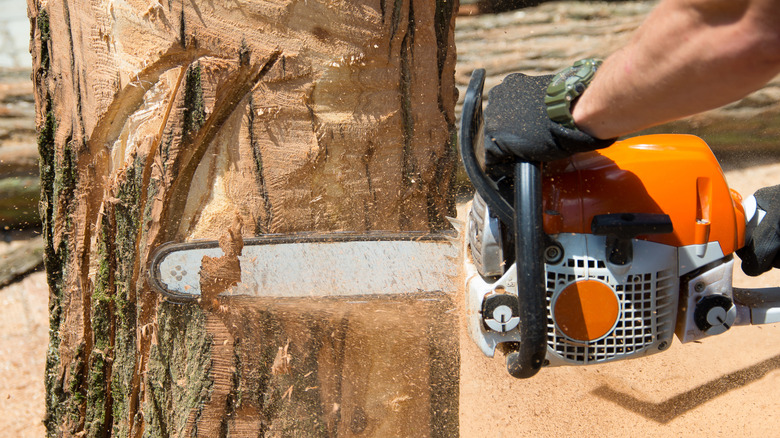
As you can imagine, this is not a simple DIY project for beginners. Wood carving is skilled work that takes time, hard labor, and special tools. The most practical option would be to find a carving company to come help you bring your project to life if you want to add this stunning feature to your yard. The tools and methods used for this project are dangerous and can be difficult to use. However, if you are willing and able to take on the challenge on your own, you'll need to prepare a range of tools and materials to complete the project safely.
Start by gathering all the necessary protective equipment for both yourself and your lawn. Do not skip this step! Beyond the obvious potential for injury with this project, pest and other contaminants may already be present in the stump depending on the level of decay. Eye protection, gloves, and masks are essential and should not be overlooked. In addition, you may want a hard hat, face shield, and ear protection when using a chainsaw.
For the woodworking process, you will need some heavy-duty tools. The exact tools will depend on how much excavation and root removal are needed. For this homeowner, the excavation process was quite extensive, and probably more than necessary. Extra challenges like rot or pests may also make the project more hassle than its worth. For his project, this homeowner used a chainsaw, sledgehammer, pick axes, chisels, a reciprocating saw, a blower, pry bars, a shovel, wedges, a belt sander, and hand sanders.