

Home Efficiency Tax Breaks: How To Determine If You Qualify
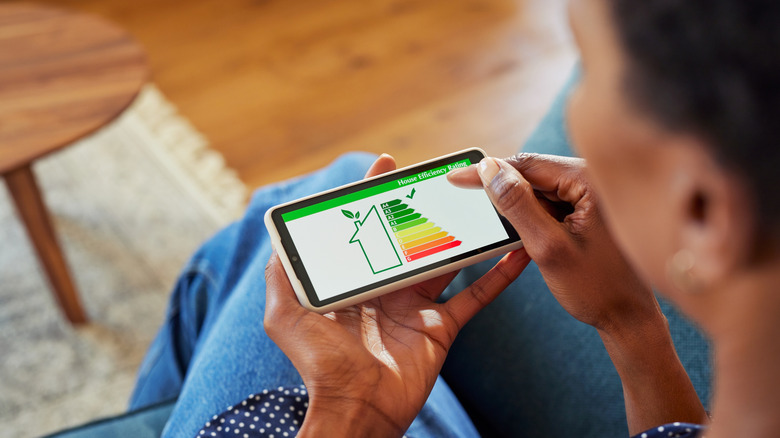
You walk past a window and feel a cold breeze. One of your rooms is significantly hotter or colder than the rest of your home. And your electric bill is through the roof. Wouldn't it be nice to increase the comfort level and reduce your energy bills at the same time? There are many inexpensive products to help you lower your energy bills, but major upgrades can be expensive. Federal energy efficiency programs have saved Americans hundreds of billions of dollars since the 1970s, but many of those programs ended on Jan. 1, 2026. There are, however, still a number of state and local incentives for energy upgrades. Figuring out what those programs are and if you qualify requires simply knowing where to look.
Not all federal assistance programs for energy efficiency have expired. For low-income homeowners earning at or below 200% of the federal poverty level, the U.S. Department of Energy (DOE) still offers weatherization assistance. The program consists of an energy audit of your home and solutions to reduce your energy costs by up to 30 percent. It is administered through state agencies: Click on your state on the DOE's map to contact your administrator. Another federal program, run by the U.S. Department of Housing and Urban Development, insures mortgage loans from private lenders to help homeowners finance home improvement projects, such as energy efficiency upgrades.
How to find state and local incentives for home efficiency upgrades

With the end of most federal incentives, you'll have to turn to savings closer to home. A number of states have long-standing home efficiency rebates, tax credits, or other incentives. In Maine, for example, Efficiency Maine offers rebates and loans for upgrades for weatherization, HVAC equipment, and appliances. Your local municipality may have their own programs, too. The ME2 program in Milwaukee, Wisc., offers affordable financing up to $20,000 for air sealing, insulation, efficient windows, and many other improvements. And even your own utility company may offer incentives, since encouraging homeowners to reduce their energy use is far cheaper than building new power plants or transmission lines. For example, CPS Energy in San Antonio, Texas offers home energy rebates on insulation and air conditioning upgrades.
If you don't know where to start, the National Association of State Energy Officials has a link to the energy offices for all 50 states. But a more efficient use of your own energy might be consulting the Database of State Incentives for Renewables and Efficiency. Click on your state, then click on "Apply Filter," select "Technology," then select "Energy Efficiency" and "All Energy Efficiency" to filter your search results. You may be surprised by how many programs exist in your state. You will need to read the eligibility requirements, incentive amounts, and the expiration dates for these programs. The money isn't always easy to find, but your efforts and investments can lower your energy bills, increase your comfort level, and, when you're ready to move, increase your home's resale value.