

The Hardy Nut Tree With Lush Foliage That Thrives In Winter Temperatures
We may receive a commission on purchases made from links.
Cold regions are harsh on plants, especially when frost and snowstorms arrive. Even hardy trees can be susceptible — freezing conditions may threaten the integrity of their trunks, for example, as severe winter weather can cause trees to seemingly explode. Bark can crack, splinter, or break apart during a deep freeze. If you're looking to grow and harvest nuts or just want a tree that can hold its own in a cold climate, you need a winter-hardy species. Look no further than the heartnut tree (Juglans mandshurica var. cordiformis), a close relative of the Japanese walnut (Juglans ailantifolia). Less common in U.S. home gardens and spectacularly unique, this special specimen will have garden onlookers asking, "What is that beautiful tree?"
The heartnut is hardy in Zones 4 to 8. It thrives in gardens throughout the western, northern, and eastern regions of the U.S. It may struggle in the high heat that's common in the South, making it a better candidate for frigid Northern gardens.
This exotic tree produces edible nuts that are tasty and nutritious. The common name comes from the tree's heart-shaped nuts. They roast spectacularly and are delicious both by themselves and baked into desserts. During the growing season, this tree displays a canopy full of lush, green leaves that dance in the wind, creating a soothing rustling sound. Once fall arrives, heartnut trees drop their leaves in preparation for winter. A single tree is pretty in the yard, though it's best to have two or more trees for optimal nut production. Heartnut trees are partially self-pollinating, and two or more varieties or saplings are necessary for sufficient pollination during the flowering period.
When to plant a heartnut for endless harvests
If you're planting a bare root heartnut sapling, do so before the ground freezes in the fall. You want to give this hardy fruiting tree more than six weeks to grow roots and transition into its new home before winter frost arrives. Alternatively, wait until spring and plant your new tree, after the ground has thawed. Avoid planting a young heartnut in the middle of summer; sweltering summer temperatures can affect the trees in your yard negatively. Immature trees are moderately tender, and their taproots are sensitive to disturbances.
When planting more than one tree, give the saplings enough space so that they'll thrive once they mature. Heartnuts can grow more than 45 feet wide without regular pruning, and you need to factor in at least a similar amount of space between trees. You can space them closer together if you commit to pruning them annually.
Heartnuts are generally forgiving about their growing medium, but they prefer to put their roots into well-drained, loamy garden soil. These trees will tolerate sandy and clay-rich soils, too, but may need more or less water than normal, depending on drainage. In ideal conditions, a heartnut seed will grow into a productive tree three to four years after sowing.
How to protect your heartnut trees in winter
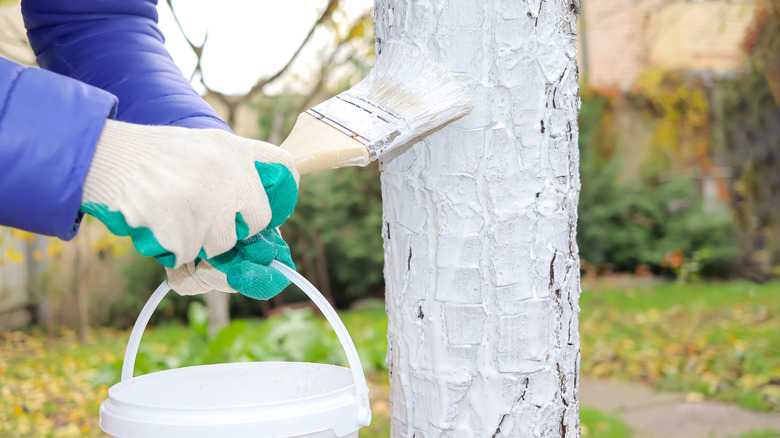
Young saplings and old heartnut trees alike need a bit of extra help during the winter. Without leaves, their trunks are susceptible to sunburn and sun-scald on sunny winter days. Painting the trunks with an eco-friendly white latex paint can help to protect them. This is the secret meaning behind a tree painted white — it's to protect the trunk. Reapply the paint each fall to provide protection until spring.
Young saplings are more tender than adult trees, so you may want to cover new transplants with frost cloth on especially cold fall or winter nights. Look for practical frost blankets, like Scrubit Plant Covers, which feature a zipper and drawstring for ease of use. Long-established heartnuts benefit from mulching during the cooler months of the year. Add a 4- to 6-inch-thick layer of compost, leaf litter, wood chips, or straw around the trunk in a ring, leaving a gap between the trunk and the mulch. Water it well. This mulch layer will insulate and protect the roots, helping them survive harsh weather.