

Know The Signs Of Pipe Damage After Freezing Weather
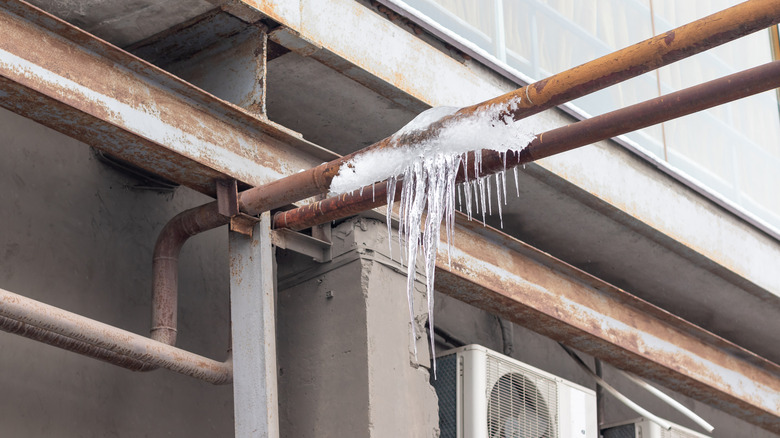
Cold winter weather can lead to much bigger headaches than just forcing you to dig out extra blankets. Frozen items can become brittle as water will expand when it freezes, and this can lead to a bevy of problems, including for your pipes. One sinister impact of low temperatures is that the water pipes running through your home, including those inside the walls and those exposed, can freeze over. Both metal and plastic pipes can be impacted by the pressure of ice expanding and backing up the flow of water. If this happens, you may have little time to react because unprotected waterlines can freeze within a few hours, and they're especially susceptible if left running through uninsulated rooms like your basement or attic. If they don't freeze enough to stop the flow of water entirely, you may not notice a problem until temperatures rise and those pipes thaw. If you do have pipe damage after a freeze, the signs should be obvious.
Exposed pipes make it easier to see the impact of freezing weather as they bulge from expanded ice within, or show signs of condensation and dripping water out of cracks. For pipes inside walls, your water may stop running entirely, or you might hear the telltale sounds of banging or knocking from inside the pipes. This can be a dangerous scenario if your interior pipes freeze in the winter, as hidden plumbing can continue to leak or even burst, potentially causing severe unseen damage or mold growth.
What to do if you find the signs of frozen pipes
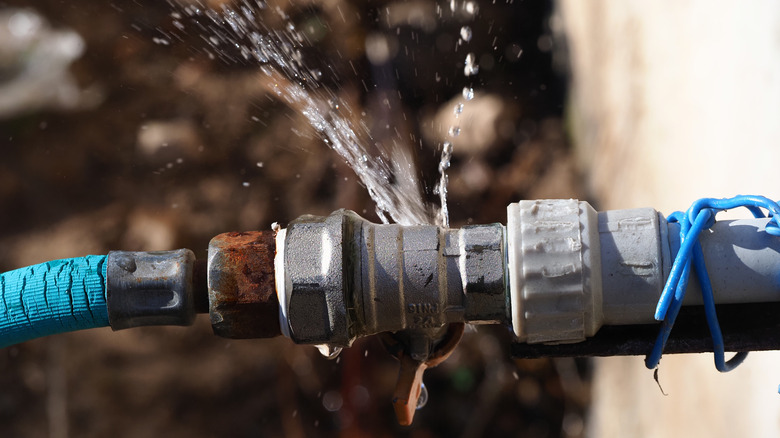
Once a pipe bursts, your first step should be to stop the flow of water at its main shut-off valve. If the damage is in a cold water line, you'll have to shut off the entire house's supply (though water already inside the pipes will remain there). However, if it's a hot water line, you can just shut off the flow from the water heater. If the pipes themselves have not yet thawed all the way, don't risk doing more damage by using an open flame to unfreeze the line, especially for plastic pipes, as this could melt a hole or crack the ice too quickly, shattering the plumbing. Water that's induced to rapidly boil via devices like blowtorches could cause a pipe to explode. Furthermore, pipes carrying natural gas may be running in the same trench near your waterline if the freeze happens on its way toward the kitchen, so you don't want those to be exposed to any open flames.
The best way to thaw a frozen pipe is with gentler, diffused sources of heat like heating pads, a space heater, or a hot-water soaked towel, which can lead to flowing water that helps melt the additional ice within the pipe. However, it's worth looking out for puddles of leaking water that might be near electrical systems in places like your basement, as this would also affect how safe it is to plug in devices like space heaters nearby. Savvy DIYers may be able to fix exposed damaged pipes themselves, but if you want to avoid plumbing mistakes that might cause more damage, or the banging sounds of ice are coming from pipes you can't easily access, it's probably best to call a professional.
Prevent frozen pipes before they can cause plumbing damage
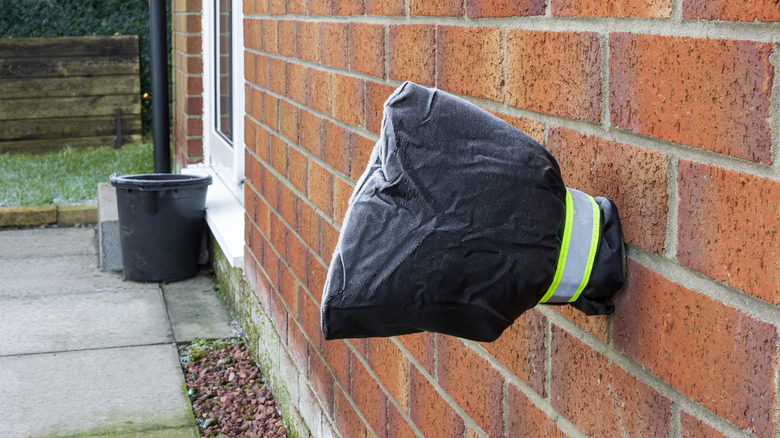
Some amount of freezing damage is going to be unavoidable if you live in particularly cold areas, or places like Texas that were built with warm-weather infrastructure but experience severe, sudden winter storms. It's important to know the signs of when your pipes might be damaged, as cracks just an eighth of an inch wide could release upwards of 250 gallons of water into your home per day. Still, you can take preventative steps to try to stem the freezing problems before they cause damage. Insulating any unprotected pipes is an important first step, whether you use prefab fitted sleeves or just wrap them in layers of blankets.
Opening your kitchen and bathroom cabinets to let warm air circulate around the pipes running to your sinks can lessen the chances of freezing damage. It's also worth disconnecting any outdoor hoses and insulating the bibs to ensure that cold weather doesn't creep in from outside areas that aren't directly connected to the main lines. Proper maintenance to the home overall, like sealing cracks and exposed stretches of crawl space, can also help keep a more consistent temperature that lessens the chance of interior pipes freezing. Frozen pipes can cause an immense amount of home damage even after winter has passed, so this is one task you won't want to put off.