

The Quick Task To Do In Winter That Will Save You Hours Of Work In The Garden
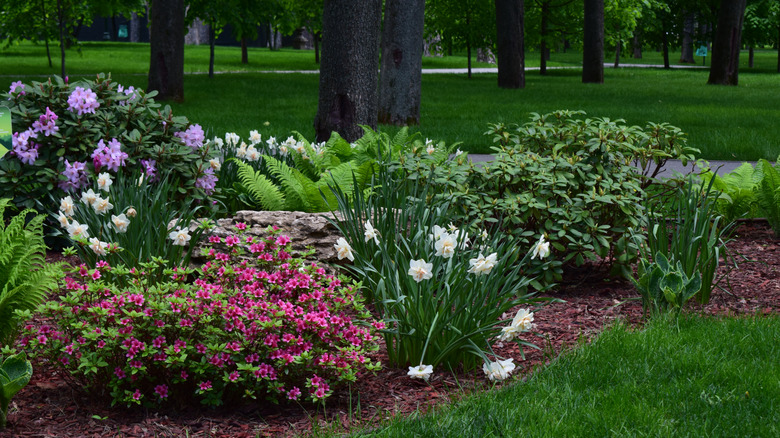
Out of all the gardening activities available, weeding is one of the last tasks anyone wants to do in winter. It's a time-consuming and laborious process, yet it has a wealth of benefits for home gardens. It prevents diseases from spreading to your crops and flowers, it removes habitats for pests, and it keeps your garden looking tidy. Yes, it's cold outside, but it's not too cold for weeds. These pesky plants take advantage of the cool, moist weather. They quickly mature before most other species wake up from winter dormancy. Leave them be, and they'll form tough roots that resist pulling. Get them now, and their young, weak roots will easily pull out of the ground. Make it even easier by waiting for rainfall. After a rainstorm is the best time to pull weeds without the hassle.
Weeds are typically fast-growing, especially when they're annual plants. They germinate and rush to produce seeds. In this way, one weed can create dozens of seeds, and those seeds grow into seedlings that produce dozens more. Miss a few weeds this season, and you'll have hundreds, if not thousands, of weeds to deal with next year!
Weeds to watch for this winter
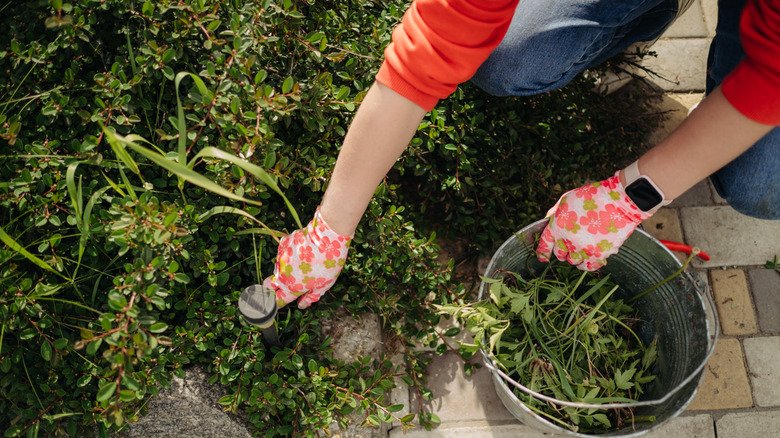
Regardless of where you live, some weeds are likely to pop up in your garden or landscape. A main one is hairy bittercress, a low-growing annual that forms popping seed pods. Leave one be for too long, and it'll explode seeds all over your yard. If you're unsure if a plant is a weed or not, try using a plant identification app to protect your garden. It'll help you identify seedlings to determine whether or not you should pull them.
Alongside hairy bittercress, watch for chickweed, henbit, and purple deadnettle. Also, be on the lookout for annual bluegrass, Persian speedwell, and prickly lettuce. Don't forget the lawn, where weeds may be hiding under the grass. Winter is also the best time of year to get rid of your lawn's weeds. To help you during the process, implement tools to reduce your workload. A hoe is great if you don't want to bend over to weed, while a hand rake is perfect for up-close weeding on hands and knees. For deep-rooted plants, use a hori hori garden knife to penetrate the soil and remove taproots.
If you'd prefer not to pull all these plants, there's another quick task that'll save you hours of work — try snuffing out the young weeds with mulch! Use compost, leaf mold, or wood chips, and spread the mulch in a thick layer above the ground. Most of the weeds will die underneath the cover, and any that do emerge will be easy to pull.