

Stop Using Basement Storage For These Precious Home Items
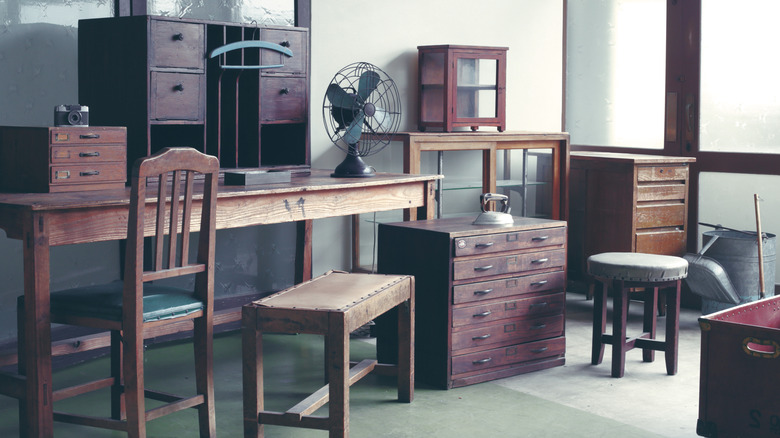
Your basement might seem like the perfect catch-all for storing extra dining table chairs or an heirloom dresser, but this actually isn't a great idea. While there are plenty of items you should avoid storing in the basement, wood furniture is probably the most important. Why? Wood is a porous material that takes in moisture from the surrounding air. This means it's constantly absorbing and releasing moisture to match its environment. And in a typical basement, where dampness lingers and temperatures swing, this spells disaster for any wood furniture you're storing down there.
When wood is exposed to extra moisture, it swells; when the air dries out, it shrinks. This constant tug-of-war leads to issues like warping or cracks that can split a solid tabletop right down the center. These issues even threaten the finish. As the wood expands and contracts, the bond can fail and cause issues that may likely ruin the piece's value and aesthetic.
Humid basements can also introduce threats such as mold (especially to unfinished wood). Places like the undersides of chairs or cabinet backs are often left unfinished. That makes it easy for spores to take root in the wood grain; this damage is usually permanent and can trigger lingering musty odors. Antique items are extra vulnerable since they often use traditional animal glues; those adhesives can dissolve in high humidity and cause veneers to peel away and joints to wobble. The best rule of thumb here is to remember that not all storage is good storage.
How to safely store wood furniture in your basement
If you absolutely must store your wood furniture downstairs (whether you're looking to upgrade your basement or keep it unfinished), create a buffer between the floor and the furniture for protection. The biggest mistake homeowners make in this situation is putting furniture directly on the concrete floor; even if your basement feels bone-dry, concrete is still porous and constantly wicking moisture from the ground. So elevate any wooden furniture you're storing down there. Heavy-duty plastic risers, wooden pallets, bricks, or other similar items will do the trick. Feel free to also cover the furniture with a breathable cotton sheet to prevent any buildup of moisture or dust.
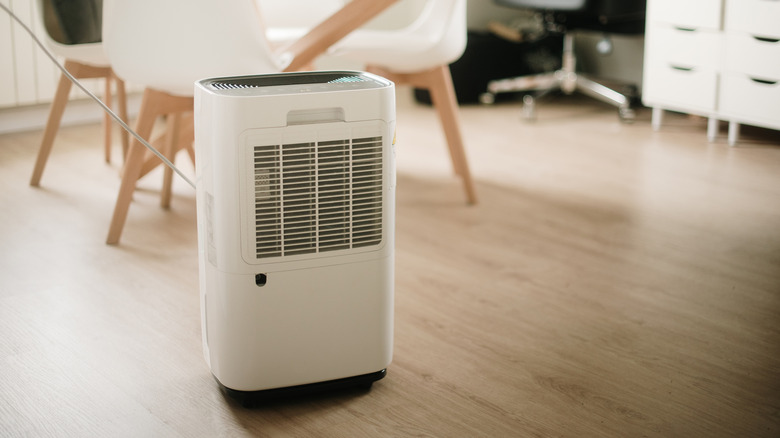
Active climate control is another line of defense. Get a high-quality dehumidifier to help you better regulate the moisture levels down there. You also need proper airflow so avoid the temptation to shove furniture right up against foundation walls. Keep a few inches between the walls and pieces of your furniture for circulation.
Climate control also helps protect the furniture's hardware. High humidity can oxidize iron hinges and brass pulls and create rust stains that'll bleed into the nearby wood grain. By thinking smart before storing wood furniture in your home's bottom level, you can better organize your basement storage area and stop a temporary storage solution from becoming a permanent loss for your home's decor.