

Why It Isn't A Good Idea To Run Central Heat In Your Garage
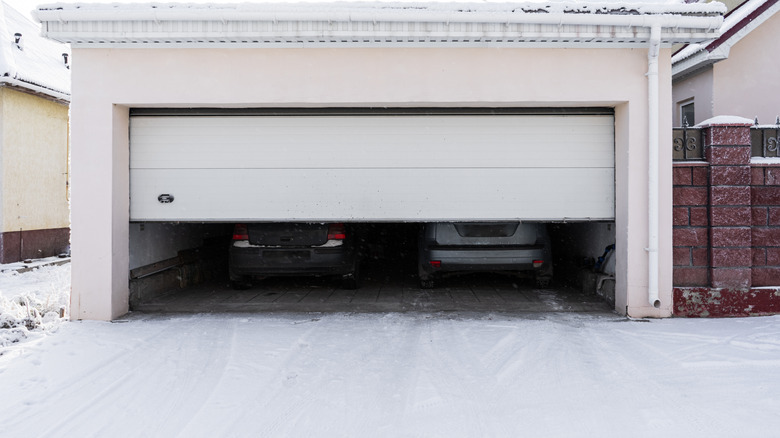
If you frequently work on winter home improvement projects that require significant time in your garage, you might be running a 1,500-watt space heater to keep the garage warm, which can get expensive. You might think it would be more efficient to run your central heating unit in the garage. A central heating system is far more efficient than a space heater when heating large spaces, and with the central heating running, the garage will already be warm when you get out there. But using central heating is not the best thing you can do to keep your garage warm. You're far better off insulating your garage, installing a portable heat pump, or using a more energy-efficient space heater only when you need it. By not hooking your garage up to your central heat, you're also not compromising the air quality in the rest of your home.
It's likely that there is already air pollution in your home. Hooking your garage up to your central heat could add to the problem. A garage can contain fumes that build up from cars, paints, fuels, and other chemicals, and some of those fumes can be dangerous to your health, including carbon monoxide, volatile organic compounds, benzene, and nitrogen dioxide. The large open doors of a garage allow most of those fumes to escape unnoticed into the atmosphere, but those doors will be closed during the winter. Since central heating systems recirculate indoor air to maintain consistent temperatures and humidity levels throughout the spaces they heat, hooking up your central heating system to your garage means the noxious fumes inside your garage will mix with the air in the rest of your house.
Central heat is an inefficient way to heat your garage
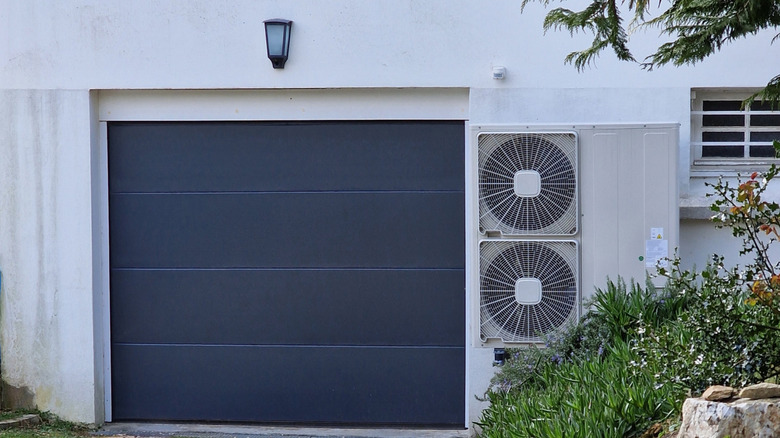
Running your central heating system into your garage may violate local fire codes or building codes. Depending on where you live, you are likely to need a building permit to extend HVAC to your garage. This is to ensure any changes meet safety standards, especially when it comes to ventilation. But using central heat is also not the most efficient way to heat your garage. Most garages are not insulated — at all — so trying to heat an uninsulated space can strain the abilities of your heating system and shorten its lifespan. This can cost you dearly, all for heating a space you use less frequently than the rest of your home.
There are safer, more efficient ways to heat your garage. The first step is adding insulation and drywall so that your garage has more than a single layer of wood protecting it from the cold. There are other DIY methods to insulate a garage against the winter cold, including insulating the doors and sealing any windows, gaps, or cracks. Beyond insulation, installing a separate heat pump can be an energy-efficient way to heat your garage. Wall-mounted systems are relatively easy to install, but a portable heat pump can fit in a window similarly to a window air conditioner.
If you use your garage as a workspace only periodically, a smart space heater may save you money in the long run compared to installing a more costly heat pump or running a 1,500-watt traditional space heater. A well-insulated garage with a separate heating system is a far cleaner and more energy-efficient option than using central heat.