

Good-Bye Kitchen Clutter: How A Closed Kitchen Can Make Can Make You Feel More Organized
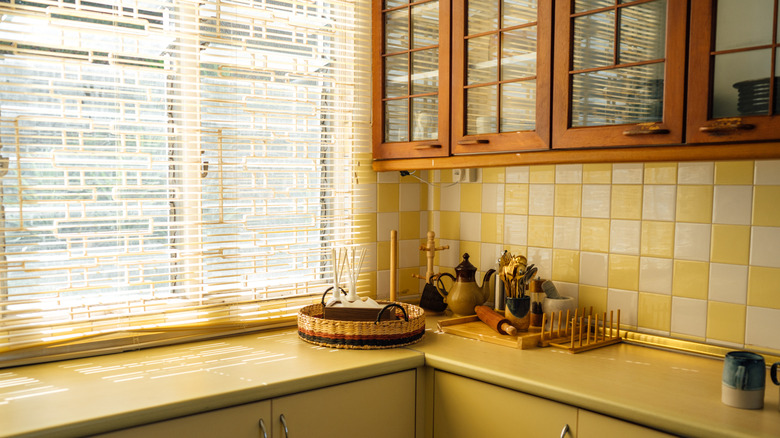
From hanging pots and pans from the ceiling, to adding a magnetic shelf to your fridge – there is a lot of varying advice online on how to manage the things making a mess of your kitchen. But the simplest solution for that jumble of utensils and plastic container lids that seems to fall by the wayside? A closed kitchen design with plenty of cupboards.
For centuries, the kitchen was a space where cooking, and only cooking, transpired. Starting in the 20th century, and reaching an apex in the 1990s, the kitchen took on additional roles. It became a regular place for connection and conversation between family and friends. And inevitably, this influenced home design. Gone were the closed kitchens of the past. The open kitchen was breaking down walls. Literally.
Unlike the closed kitchen, this open style of construction brings the kitchen, living room, and dining areas into one shared place. It was as much about facilitating food prep as it was about removing the barrier between people. With this set-up, for example, it was so much easier for parents, who were cooking in the kitchen, to help their kids, who were doing their homework in the living room. Never mind that the messes in the kitchen and living room could be readily seen by both parties. At least, no one was lonely, as they would have been if they had been cooking alone in a closed kitchen.
How a closed kitchen helps to minimize clutter
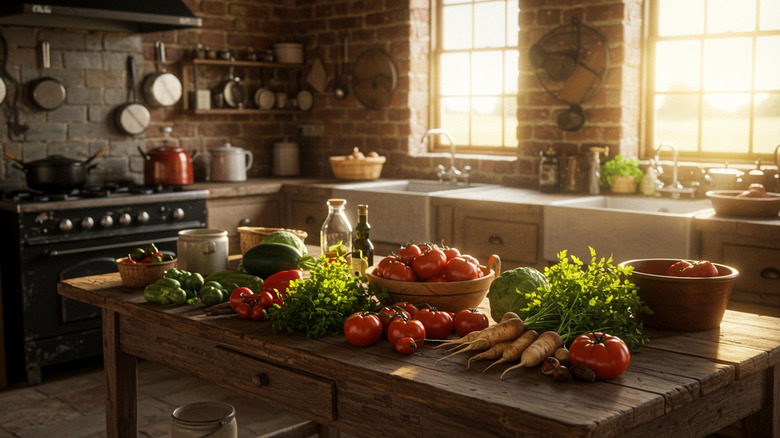
What the open layout kitchen gave to people socially, it took away from them in terms of storage space and organization. In open constructions, gone are the closed kitchen's extra walls. The closed-kitchen's built-in storage areas give the home chef a place to stash large roasting pans, a collection of mugs and glassware, and a multitude of cookbooks, amongst other things.
In an open concept kitchen, some of the storage space of closed-kitchen's wall-mounted cupboards can be replaced by hanging racks and free-standing cabinets. However, those organizers don't replace walls that contain the kitchen to itself. This is the organizational advantage of a closed kitchen – you have the option to close the kitchen door when the mess gets to be too much. It also means that you don't need to clean up right after cooking a big dinner for friends and family. The mess is safely stashed behind closed doors and four walls until you're done entertaining guests.
On a smaller scale, fewer items, including lesser-used appliances like mixers, need to be left on the counter in a closed kitchen. With this design style, you don't lack the cupboard space you need to store them. The overall appearance of clutter is mitigated because you can push that currently-unused gadget into a cabinet and shut the door: out of sight, out of mind (at least, temporarily). The kitchen feels less cluttered due to storage, which tends to be more ample in a closed kitchen format.
Is there a middle ground between the two kitchen designs?
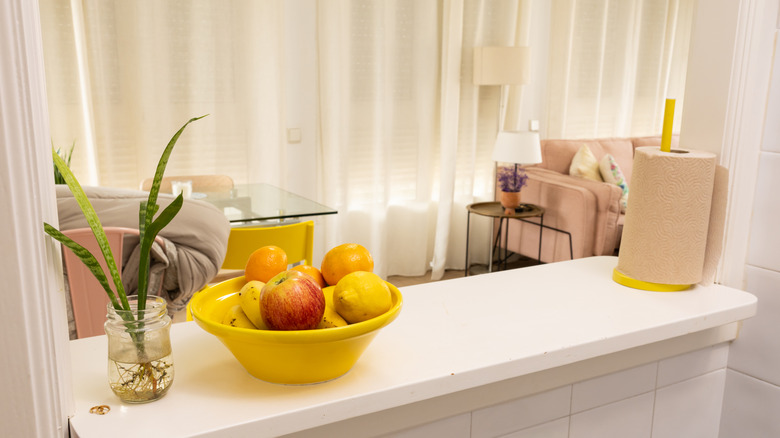
One of the big drawbacks of the closed kitchen arises from the feelings of alienation that the design, more specifically, the walls, creates. Sure, those barriers hide a multitude of clutter-related sins and reduce the chance of cooking odors wafting freely throughout the home. However, closed doors often equal no social interaction.
There are some fixes for this issue which allow you to take advantage of the more clutter-free look you get from a closed kitchen, while still encouraging conversation and attachment. A pass-through feature built into the wall permits dishes and chit chat to flow between the kitchen and dining areas. Sliding barn-style doors offer a similar opportunity for socializing and moving food from one room to another.
Even the furniture you choose for a closed kitchen can help to solve this dilemma. Take a booth or bench with hidden storage space inside, for example. Pieces like this give you both the extra storage space you want in your kitchen and also offer visitors a place to sit and chat with you while you whip up lunch. But ultimately, only you — and not your guests — have to know what lurks behind the doors of your cupboards and pantry.