

16 Plants To Prune In February For A Healthy & Vibrant Spring Garden
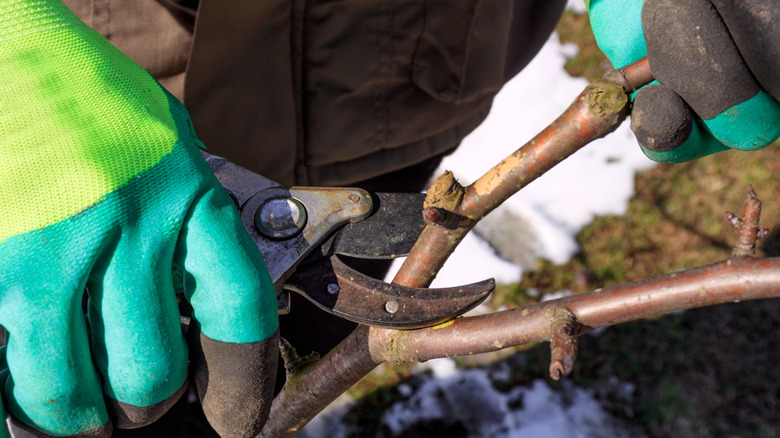
Lots of people think deep winter is either too late or too early for pruning. But for many shrubs, climbers, and perennials, it's actually the perfect time. The plant is still mostly dormant or only just starting to stir, so fresh spring growth hasn't started yet. So pruning the right plants in the right way in February helps them channel energy into strong new foliar growth when they do wake from dormancy. It also clears out dead, old, or damaged growth.
Obviously, February is different in terms of temperature in your location. But, as a general rule, I'm referring to the tail end of winter. So if your climate has a longer season, you may want to take action now. If, however, spring gets off to a later start where you live, you can wait until early March.
Butterfly bush (buddleia) that blooms on new wood
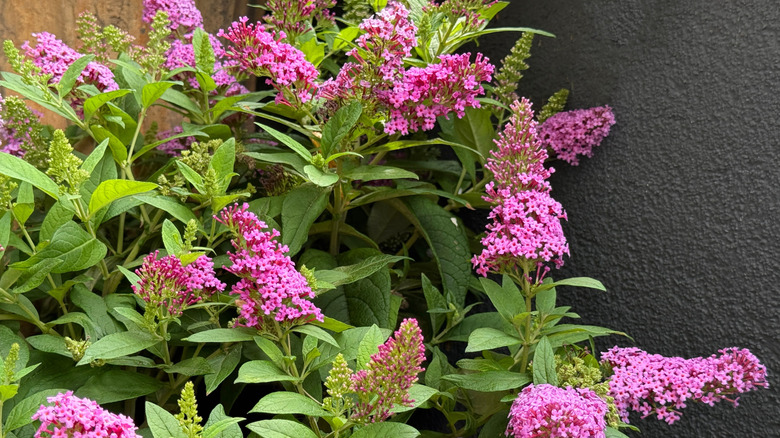
Most common butterfly bushes, like Buddleja davidii, flower on new wood. Hence, you should cut it back a lot in late winter. Hard pruning the old woody stems encourages the bush to put off loads of new growth as soon as it wakes in early spring. These new stems will give you an abundance of those large, beautiful flower panicles that buddleia is so well known for.
Now, technically, you don't have to prune butterfly bushes. If you don't, however, you tend to get an untidy, straggly growth habit. The bush ends up tall, lanky, and thin. Plus, because it only flowers on new growth, the bush produces fewer, sparser flower panicles, and they appear higher up. They grow fast, so cut your butterfly bush back to around 24 inches tall. Every few years, you may also want to cut back a third of the oldest, thickest stems right to the ground so new growth can fully replace them.
Redtwig dogwoods grown for colorful winter stems
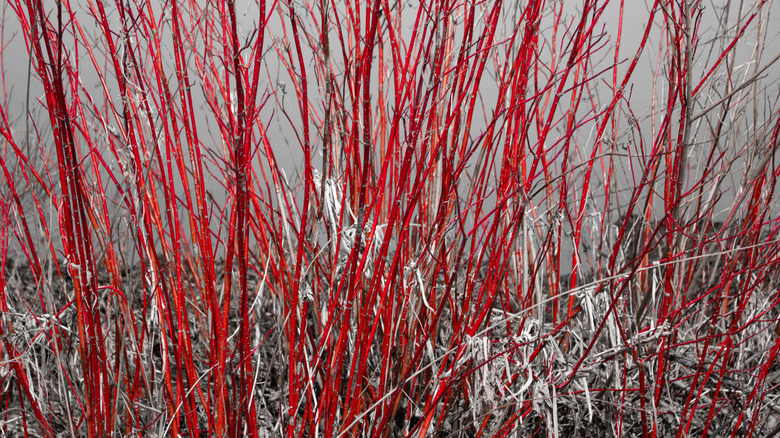
Red twig dogwoods are fantastically colorful. They give you bright red, orange, or yellow stems year-round, making them especially useful for adding color to the winter garden. The problem is that they only stay colorful for the first one to three years. After this, they fade and lose their brightness. So, to rejuvenate them and keep their beautiful colors, you want to cut back the mature canes before spring growth starts. This encourages lots of fresh, vivid new growth.
You've got a couple of options when it comes to pruning red twigs. You can go with an annual coppicing, which is where you cut all the stems back hard, to just 6 to 12 inches high. This rejuvenates the whole plant and gives you the biggest flush of new stems, but it does mean the plant will be bare for a while as it has to re-grow. The other option is cut a third of the stems back each year, always targeting the oldest third. With this method, while you might get a little less rapid new growth, you'll have color and height year-round.
Ornamental willows with showy twigs
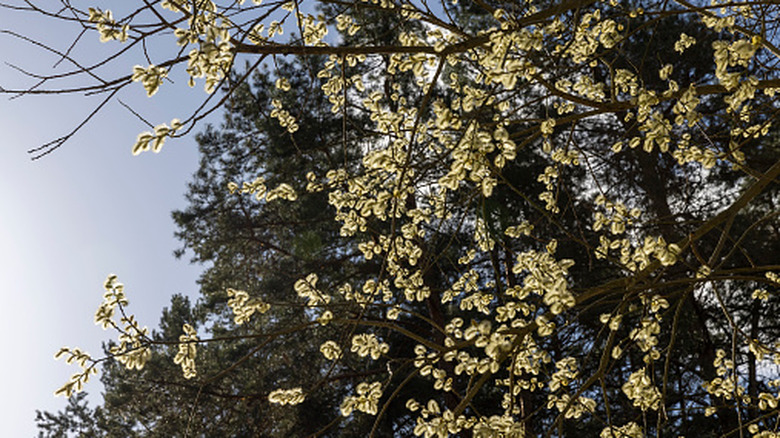
Like red twig dogwoods, if you're growing shrubby willows for their winter color, you'll get better colors and variegation on younger wood. The stems fade within a couple of years. Pruning brings new, colorful growth and keeps the whole plant nice and dense and compact. If you don't prune, you'll quickly get tall, scraggly-looking willows with an open, untidy growth habit.
Willow grows rapidly, which is why they get so tall and unruly so fast. In late February, before the buds break, coppicing the willow the same as the red twigs gives the plant a full hard reset. If you have very cold winters, leave them a few inches taller to protect the crowns from late frost damage. If you rely on the willow for structure and texture in mixed borders, leave about a third of the mature stems. Just choose to leave the healthiest, thickest ones that have good placement and structure.
Smoke bush when grown for bold foliage
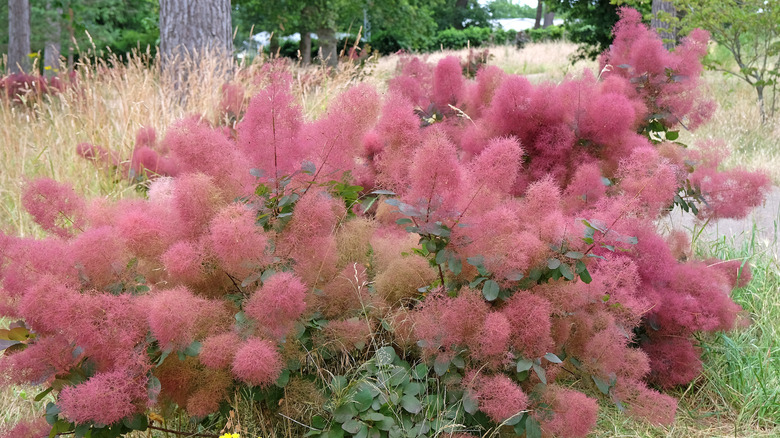
The smoke bush is an interesting plant when it comes to pruning. If you leave it or only do light pruning, you'll get a tall, airy shrub with delicate smoke-like plumes. However, if you're more interested in big, showy leaves, then you need to give a harder prune, as you'll only get those on the new growth. Plus, giving it a hard prune will keep the whole plant dense and compact.
If you're going all-out for maximum showy leaves or you want to keep the smoke bush from overwhelming a small space, you need to cut back pretty hard. Before the buds start to break, cut all of the last year's stems down to between 6 and 18 inches. In colder climates, err on the side of caution and keep it between 12 and 18 inches. Remember that this type of pruning significantly reduces (and can fully eliminate) the smoke plume flowers. If you want to maximize flowers, you'll end up with fewer big leaves, and should instead more selectively and lightly prune the oldest and most unruly stems, leaving the rest in place.
Trumpet vine that needs firm control
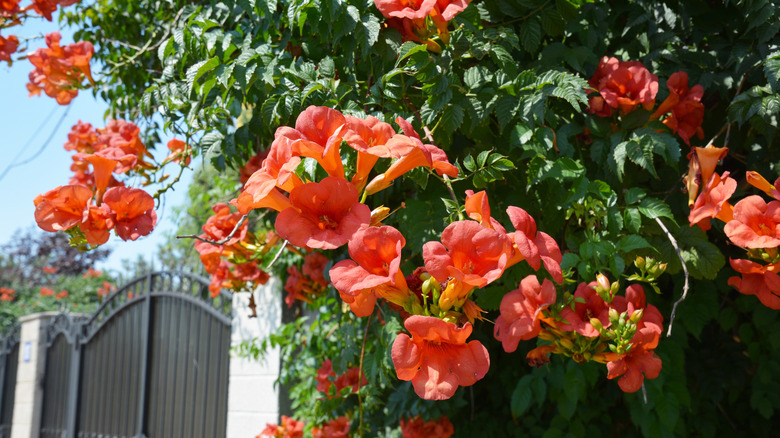
Trumpet vine is lovely, but it grows fast and vigorously. And, if left unchecked, it can damage siding, roofs, and gutters, so it really does need a firm hand to keep it under control. Leaving the pruning until February, just before it wakes from dormancy, gives you the best view. You can see the frame and structure of the plant. So, you can more easily see where to cut and where it might be getting too unwieldy or too close to hooking into siding or roofs. Plus, trumpet vine only flowers on new growth. So for maximum flowers, you need to encourage fresh stems, or it'll be bare toward the base.
Pruning trumpet vine in late winter stops you from accidentally chopping off new growth and inadvertently sacrificing blooms later in the season. Remember that you need to prune this vine pretty hard to stop it from getting too unwieldy. Do that by cutting back lateral shoots to about three buds from the central stem. This keeps the flowers close to the vine column and stops the plant from looking bare and patchy. You also want to remove any stems that are damaged, crossing, or rubbing.
If it's a big, old plant that's been allowed to run rampant for many years, you might want to consider cutting the whole plant back to about 12 inches from the ground to essentially reset it. Then, you can train the new structure properly. This is also a suckering plant, so while you're pruning, look for suckers at the ground level that shouldn't be there, and remove them.
Wisteria on walls, arches, or pergolas
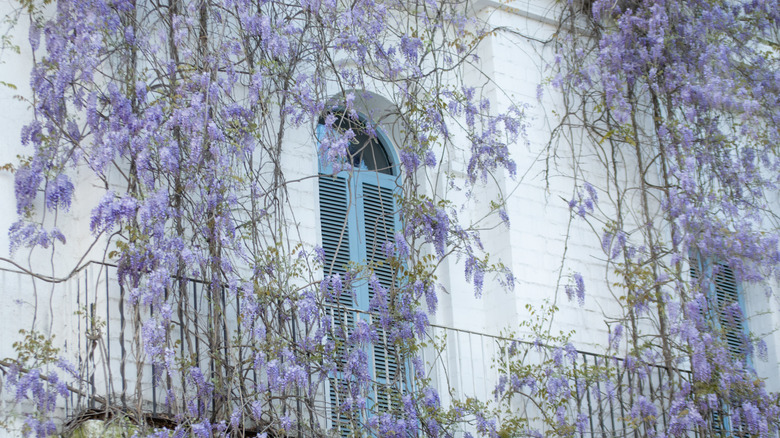
Wisteria is another vigorous grower, and it usually gets pruned twice per year. The summer trim is generally pretty light and involves cutting back those wispy, whippy side shoots. Late winter is a good time to prune of wisteria to stop it from getting under roof tiles, into siding, and latching on to other spots it shouldn't. But it can boost flower production on the shoots you cut back in the summer.
You should be trimming the plant at least once during the summer. However, February is when you want to prune it back harder. Cut those side shoots to around three healthy buds from their base. This process creates short, flower-filled spurs along the main branches or rods and opens the plant up for air and sunlight to get in properly. Also, cut back any crossing or rubbing branches and any that are showing signs of girdling.
Crape myrtle that blooms on new wood
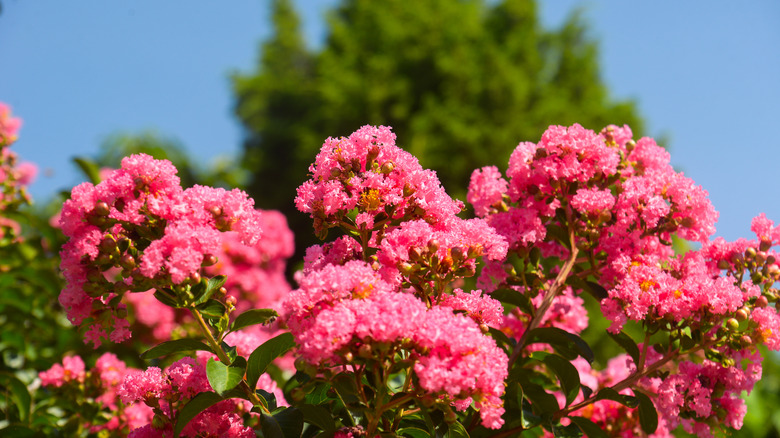
Crape myrtle flowers on new shoots that are produced in spring and summer. So, pruning after the cold season risks accidentally removing the flowering branches. However, pruning in late winter allows you to carefully and precisely shape the tree. It also encourages lots of new growth shoots and, therefore, maximum flowers. But we're only talking about lightly pruning, never carelessly topping the trunks into knuckles. A mindless topping technique is also referred to as crape murder and should be avoided when pruning. This just creates weak, club-like regrowth and eventually weakens and kills the tree.
Instead, you want to first step back and look at the tree's structure, then remove any branches that are dead or badly damaged or that are crossing and rubbing each other. Next, thin out the interior growth if it's too dense. This process opens up the canopy for better airflow. You also want to cut back any overly long side branches to a lateral bud or branch to keep the tree shapely, reasonably contained, and tidy.
Late summer clematis in pruning group 3
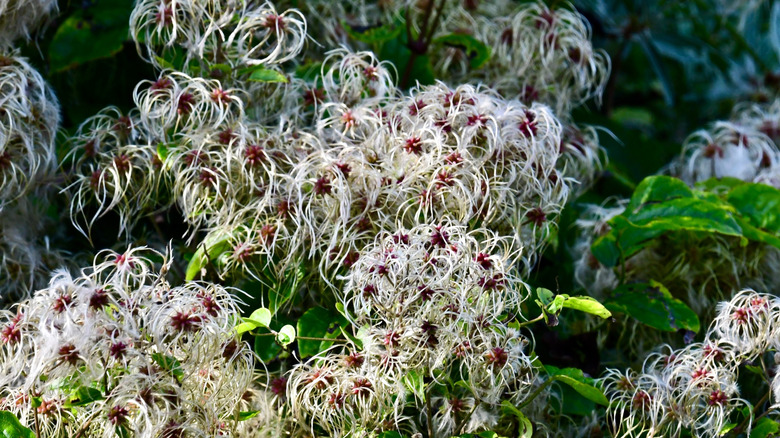
Group 3 clematis, or late summer clematis, is another that blooms on new growth. So cutting back in February avoids removing the new blooming stems and encourages the plant to put more energy into producing new shoots. Then, these will end up covered in blossoms in the summer. If you don't prune at all, you end up with sparse flower clusters sitting at the very top and outer extremes of the plant, and a mass of tangled, bare, woody stems everywhere else.
Do remember, though, that this is only for late summer-blooming clematis. Earlier types flower on old wood, so they shouldn't be pruned this way. If you don't know which pruning group your clematis is in, think about when it flowers. If the answer is late summer (July or August), then this advice is for you. Cut all stems back to between 12 and 18 inches, or to wherever there's a strong, healthy pair of buds. If you've got a vigorous grower, you'll be removing a lot of dead stems above, but that's okay. Very quickly, you'll end up with a shocking amount of new growth that will give you endless flowers in late summer.
Russian sage for sturdy, upright growth)
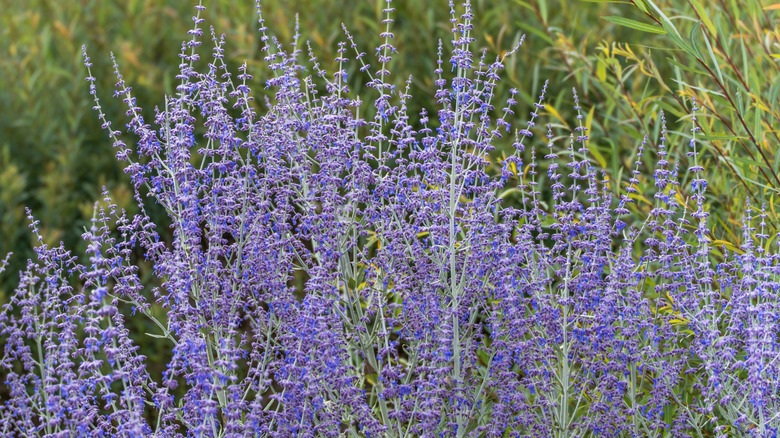
Russian sage is a typical ornamental salvia, in that if you leave it completely unpruned, it'll end up big and woody, and some will flop over and spread outward. Plus, new growth ends up winding its way through that old woody mass, making the ends look messy and scraggly. If you prune it hard in February, it stays compact and shapely. It also smells fabulous and attracts pollinators in droves to its clouds of blue flowers.
Late February, right before you see new growth popping up at the base, is the best time to prune Russian sage. Trim old woody growth to between 8 and 12 inches above the soil level. If you live in a particularly cold climate, leave it at around 18 inches tall to offer more protection to the crown. Then, make the final reduction once the most severe cold weather is over. Leaving up to 12 inches of woody stems protects the plant and helps keep it stable as new growth emerges.
Deciduous ornamental grasses
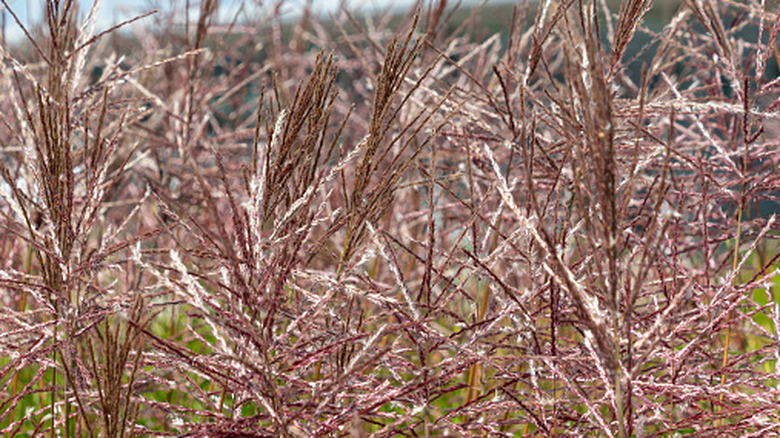
Most of us, rightly, leave our ornamental grasses standing through the cold months for wildlife habitat and to give our winter landscape some structure and interest. But by the time February gets here, your Miscanthus, Panicums, and Pennisetum clumps are probably looking worse for wear. They're most likely storm-damaged and at least partially flattened. Plus, those old, dead stems are hiding the new growth beneath.
Now, if you have left these clumps through the winter for wildlife or to act as a windbreak, leave the pruning until very late February. You could even wait until early March if you live in a very cold climate to give the overwintering beasties the chance to leave on their own. I like to leave as much of the grass as I can well into spring. But in late February, I do remove all the old wind-damaged growth. With deciduous grasses, cut them to 6 to 12 inches above ground level. Gather the stems into clumps, and cut each one to make clean-up easier.
Hellebores with tired old foliage
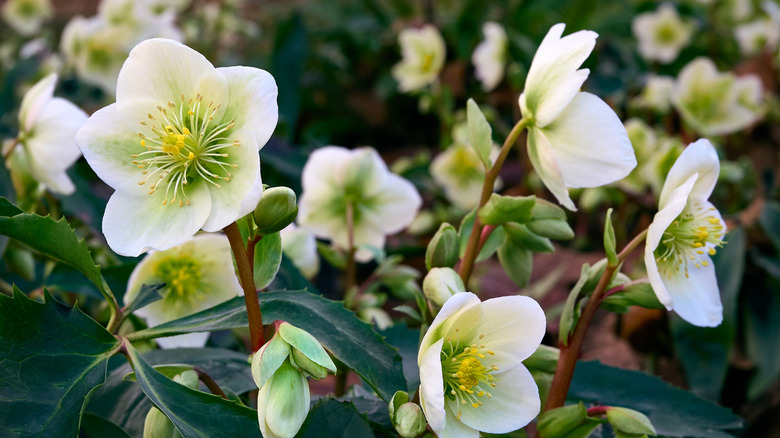
Hellebores are fabulous, as they're hardy to low temperatures and are pest and deer-proof. But they still need some pruning to stay looking their best. By the end of February, last year's hellebore leaves are often spotted, torn, floppy, and generally long past their best. And, because they tend to flop over and layer over each other, they create the perfect environment for pathogens like fungal leaf spot. So a thorough pruning reduces disease pressure, tidies up the plant, opens up the crown, and makes way for new growth.
The trick with hellebores is to catch them before the new growth emerges. You can still prune after it appears, but you'll have an easier time of it if you get the job done before. You want to cut the old leaves back as close to the base as you can. But take care not to damage those lovely chunky buds rising from the crown. These are this year's flowers, and you don't want to harm them before they get a chance to bloom. Again, if you live somewhere super-cold, or you're having a longer, harder winter than normal, leave a few of the healthier leaves in place to help protect the crown from frost damage.
Highbush blueberries for better crops
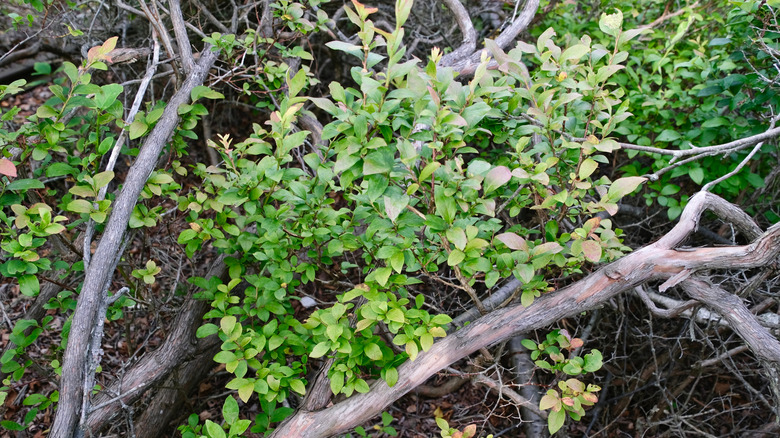
Highbush blueberries are delicious. The bushes, if properly pruned and cared for, will give you a ridiculously huge yield of fat, juicy berries. They fruit most prolifically on wood that's a couple of years old, so you do need to be selective with your pruning. But if you never prune them, you end up with weak, twiggy, dense bushes that produce very few berries that tend to be small and sad.
Late winter is the perfect pruning time for blueberries because you can better see damaged or very old and weak wood. Plus, by the end of February, you should be able to see the flower buds. Unless they're on damaged wood, you want to avoid pruning those, as they are what turn into blueberries. To give your bush the best structure, remove any crossing branches in the center unless they are particularly well-laden with flower buds. As a general guide, I remove around a third of the oldest wood each year, cutting it off at the base. You can identify the oldest wood by the reduced number of buds and the color of the stems. The grayer they are, the older they are.
Spirea that flowers later in the season
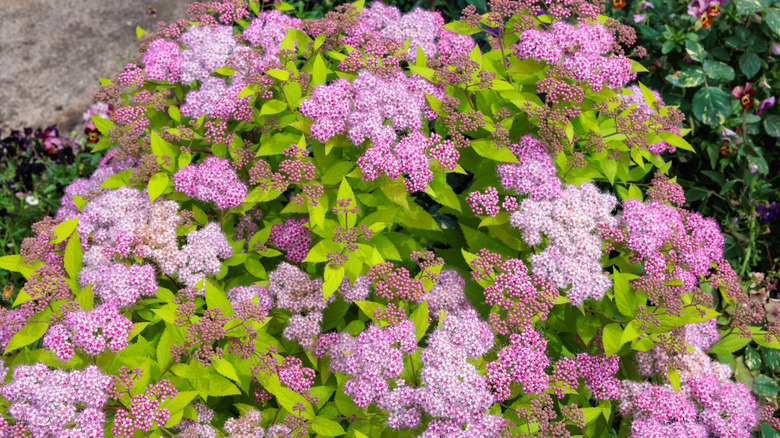
Spirea is a little like clematis in that it's really only the late summer bloomers that you want to prune in February. Most summer-flowering types bloom on new growth, so pruning the spirea in late winter is the best option. This way, you don't accidentally lop off that new growth and sacrifice your flowers for the year. Early blooming spirea, however, flowers on old wood, so it should not be pruned this way.
Start by removing dead and damaged growth. Look for stems that constantly rub each other. These become a weak point and an entry for pests and diseases as the stems abrade away each other's protective outer layers. If the plant is very overgrown, every few years, remove about a quarter of the oldest wood close to ground level. For general late winter maintenance, you want to lightly prune your spirea to keep it looking neat and give it an open, domed shape. I also recommend thinning some of the weakest growth from the interior if the shrub is getting particularly dense.
Shrubby potentilla that's become straggly
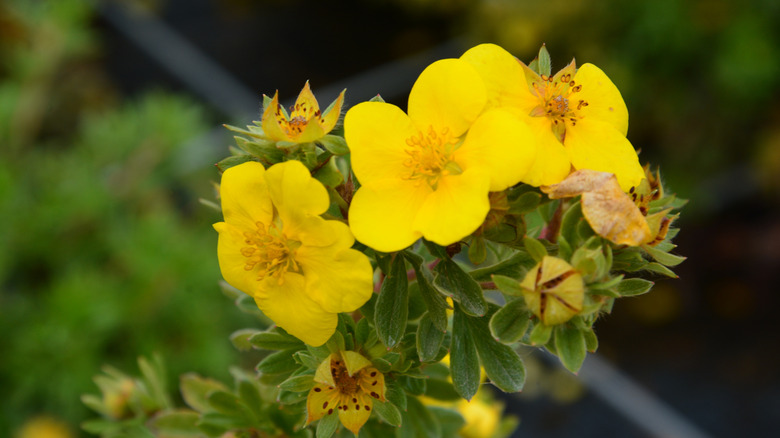
Generally speaking, shrubby potentilla keeps itself nicely mounded and relatively compact thanks to its natural growth habit. However, as they age, these plants can get woody and straggly. You'll also find that, when they get to this stage, they only flower at the very tips of leggy stems.
Shorten the longest and most unwieldy stems by about a third. Cut these back to an outward-facing bud to keep the plant's form without sacrificing too many buds. It's also worth thinning out a small number of the oldest stems, cutting them back to ground level, every year. Don't go overboard, though. Hard-pruning shrubby potentilla can shock it and stop flowering for a year before it recovers.
Rose of Sharon that needs reducing and bloom encouragement
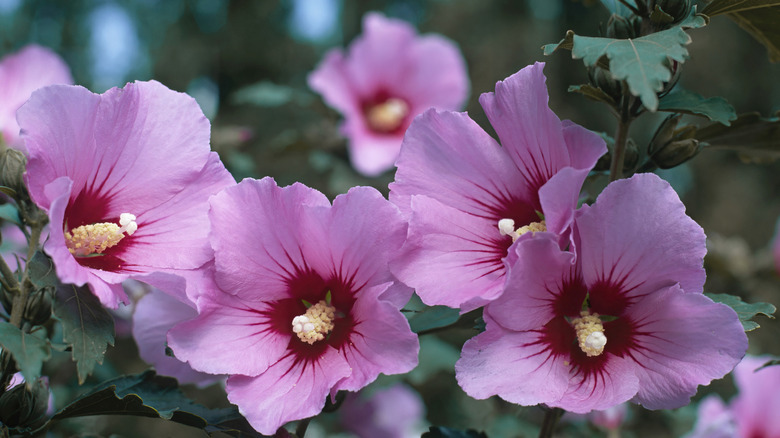
Like many other shrubs, the rose of Sharon flowers on new wood, so it's another plant that performs best with a late winter prune. Taking out old wood encourages larger numbers of strong, vigorous new shoots and more copious bloom production. Pruning in February boosts new growth and makes it easier to spot problematic branches.
Take out dead and diseased branches first. Then take out around a quarter of the oldest stems at ground level. This stops the plant from getting too crowded in the center. For the remainder of the plant, reduce the stems by about one-third. Make your cuts just before an outward-facing node so you're not limiting new growth.
Chaste tree for stronger new wood flowering
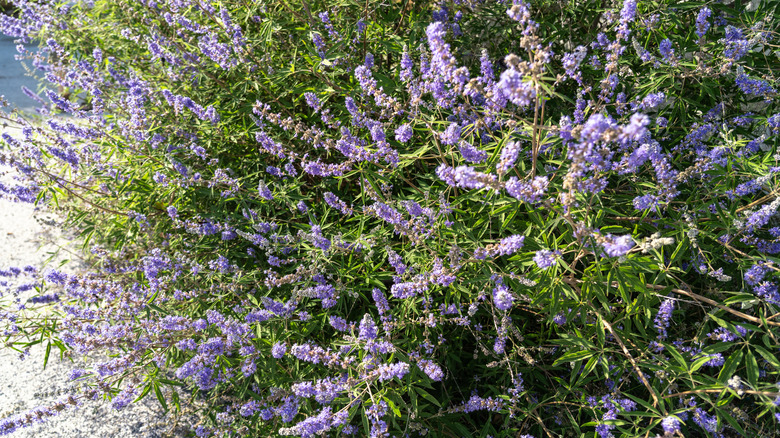
The chaste tree can liven up your winter landscape and is another deciduous plant that flowers on new growth. As with the others, pruning in February brings a flush of new growth in spring that will produce plenty of flowers later in the year. If you don't prune it, you'll get fewer flowers, and the growing chaste tree ends up rangy, straggly, and unkempt.
Consider whether you want to grow the chaste tree as a single-stemmed tree or a multi-stemmed bush. If you're aiming for a tree, remove a third of the lower side branches each year until you end up with a single trunk. If you want a multi-stemmed shrub, keep multiple trunks, but thin the most crowded stems by around a quarter. Reduce the overall size of the stems by a third to encourage a compact habit and a strong flush of new stems.