

Why Historic Homes Are Becoming Increasingly Popular With Buyers
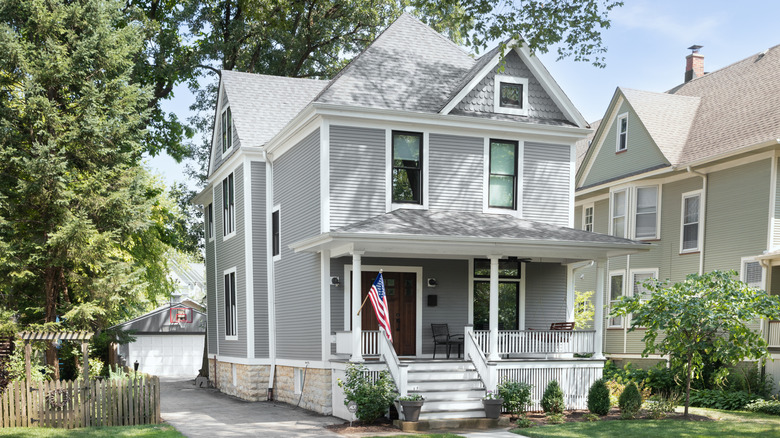
According to Redfin's analysis of MLS data, the average age of a home purchased by an American in 2024 reached 36 years. This raised the question of whether historic homes are becoming more popular with buyers. To find the answer to this question, we reached out to Chris Murphy, the founder of Waterfront Homes, LLC, a Washington-based real estate expert specializing in waterfront, second homes, and short-term rentals. In his exclusive interview with House Digest, he ventures, "I would say interest in historic homes has been steady and, in certain markets, more visible than it was a decade ago. It is not a universal surge across the country, but in established cities and older neighborhoods, buyers are clearly paying attention."
Explaining the primary reason behind this, he says, "A lot of that comes down to supply. Many buyers are frustrated by the limited inventory of newer homes and are broadening their search to include older properties with character and history." However, a lack of new construction isn't the only issue plaguing homebuyers. A shift in buyer mindset is also playing a crucial role, according to Murphy. He further mentions, "People are thinking more about long-term ownership and emotional value, not just square footage." Since older builds "... offer a sense of place that newer construction often cannot replicate," they're gaining popularity among the masses, ventures Murphy. Plus, historic homes can be about 15% cheaper than newer builds, making them a popular option for starter homes in 2026. Our expert agrees and notes, "In some markets, historic homes can be priced more competitively than new builds, especially when buyers are willing to take on thoughtful updates over time."
The most attractive features of historic homes
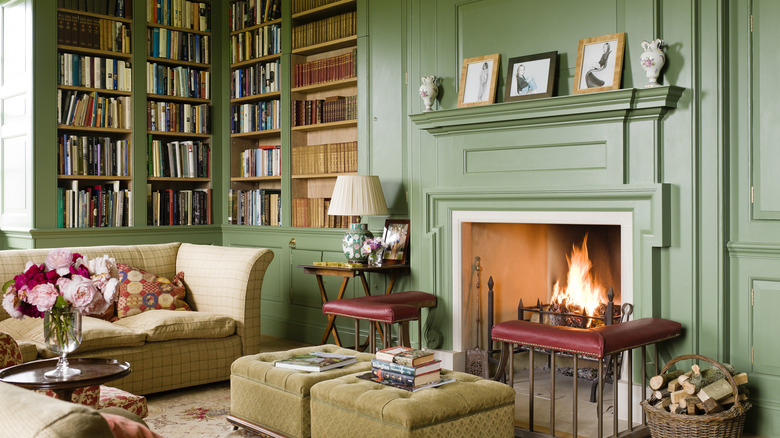
While there are multiple retro qualities that make historic homes desirable, we asked Murphy to share the features he believes matter most during his exclusive sit-down with House Digest. Highlighting the most attractive feature of older builds that reel in buyers, he states, "One of the biggest draws is craftsmanship. Buyers consistently respond to original details like solid wood floors, handcrafted moldings, plaster walls, and built-ins. These features reflect a level of labor and material quality that is expensive to reproduce today. Many buyers see this as lasting value rather than cosmetic appeal." For some people, it may be akin to staying in a small castle (if the property is majestic enough) and realizing their dreams of starring in "Bridgerton." That's not all, though.
"Another feature that resonates is architectural character. Things like high ceilings, large windows, and distinctive floor plans give homes a personality that feels unique," reveals Murphy. This especially applies to people who like unique properties and want their house to stand out from the crowd. "Historic homes often deliver that in a way that feels authentic rather than staged," our expert reasons. Neighborhood and location also play a key role. Explaining the rationale behind this, he tells us, "Historic homes are often found in walkable neighborhoods close to city centers, waterfronts, or long-established communities. Buyers appreciate mature landscaping, proximity to local businesses, and the sense that the neighborhood has evolved naturally over time." He adds that this combination of setting and structure is difficult to recreate.
Things homebuyers should look for in historic homes

Although you might want to finalize the deal as soon as you find a property that features beautiful detailing and looks different than other houses on the block, Murphy recommends holding your horses and conducting your due diligence before investing in a historic home. Opening up about the things you should look for, he highlights the following in his exclusive chat with House Digest: "Structural integrity should be at the top of the list. A solid foundation, sound framing, and a roof in good condition matter far more than cosmetic upgrades. These elements are expensive to fix and directly affect long-term value." Although time-consuming and effort-intensive, noticing these things when buying a house will save you money down the line. Moreover, to ensure you get a decent ROI (return on investment), our expert suggests, "Buyers should prioritize homes where major structural components have been maintained or responsibly repaired."
"Updated systems are also important. Electrical, plumbing, and heating systems that have been modernized reduce risk and future costs," adds Murphy. He advises buyers to prioritize properties that blend historic charm with practical updates that meet current safety standards. This approach can reduce future maintenance issues while also improving resale value. To that end, he continues, "Thoughtful renovations can add to investment potential, especially when they respect the original character of the home. Kitchens and bathrooms that have been updated without stripping away architectural details tend to appeal to a wider range of buyers."
Pitfalls you should avoid when shopping for a historic home
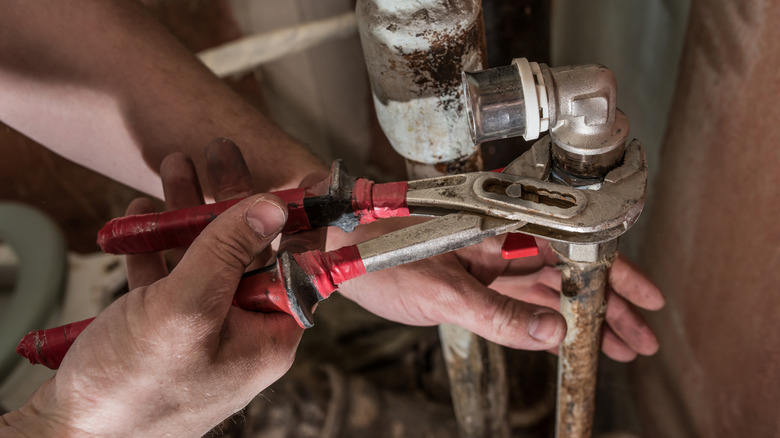
Even though historic homes are often more beautiful and have more character than new constructions, be realistic about your expectations and don't go in blind, proposes Murphy. Listing the usual suspects in his House Digest exclusive, he divulges, "One common pitfall is underestimating maintenance and repair costs. Older homes can come with aging systems, hidden issues, or materials that require specialized care." Buyers should inspect the property carefully and understand its maintenance needs before making an offer. However, don't just rely on a general inspection. Our expert concurs, "Buyers should go beyond a standard inspection and work with inspectors who have experience with historic properties. Understanding what is original, what has been updated, and what may need attention soon can prevent surprises."
Moreover, if you want to make extensive updates to the home or are thinking of adding another unit to the main structure, check the local guidelines beforehand. Murphy explains, "Another issue is overlooking local regulations or historic designation rules. Some homes fall under preservation guidelines that restrict exterior changes or renovations." This is why "buyers should research local ordinances early and confirm what is permitted before committing to a purchase." Considering your budget is important, too. Our expert shares, "Financing can also be a challenge if buyers are not prepared. Certain lenders may require additional documentation or repairs before closing." He also encourages buyers to work with professionals who specialize in older homes to help ensure a smoother process. But don't just stop there. "Budgeting for regular maintenance, setting aside reserves for future work, and learning about the home's materials and systems all make a difference," he concludes.