

8 Furniture Choices That Are Actually Making Your Living Room Feel Smaller
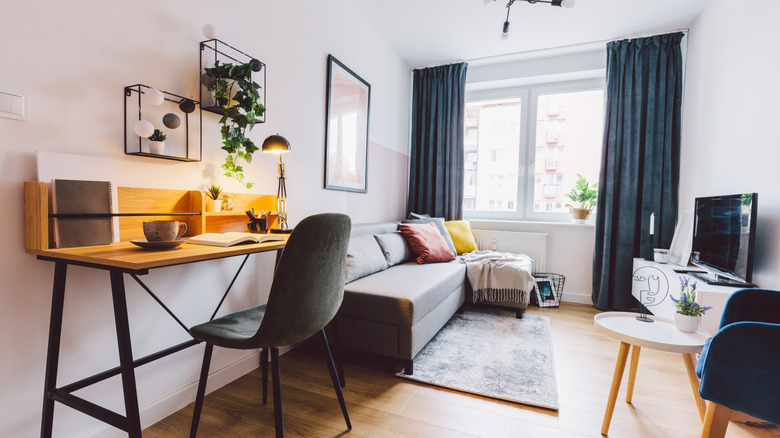
A little snugness can be nice in a living room, but there's a fine line between cozy and chaotic. A few small design decisions can have a huge impact on how big your space feels, making it seem smaller than it actually is. Poor lighting, a shoddy paint job, and too much decor can all make a room feel smaller, but one element that can really reduce the usable space in your living room is a bad choice in furniture. Regardless of how large your living space actually is, picking the wrong furnishings or styling them poorly can quickly make it feel uncomfortable.
If your living room actually is on the smaller side, there are dozens of ways to make it look roomier without spending a dime. But for anyone that wants their space to feel more roomy, take a moment to consider furniture selection and avoid furniture that's too big, too small, or too dark. Fortunately, once you identify the factors that are cramping your style, it's easy to open things up.
Furniture that's too big
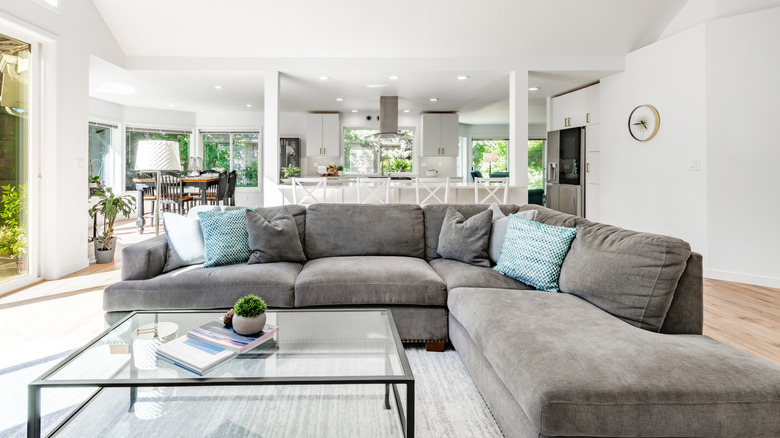
Oversized sofas and dramatically designed sectionals can seem like classic, cozy pieces for any living room, but they can also instantly overwhelm a space. Whether your plush couch or armchair encroaches into the walkway or simply dominates the room's sightlines, trying to organize too-large furniture into any space can feel a bit like solving an impossible puzzle — at the end of the process, everything is cramped together, and no one is happy. As an alternative, opt for smaller pieces with streamlined silhouettes that will complement the space rather than overtaking it.
Furniture that's too small
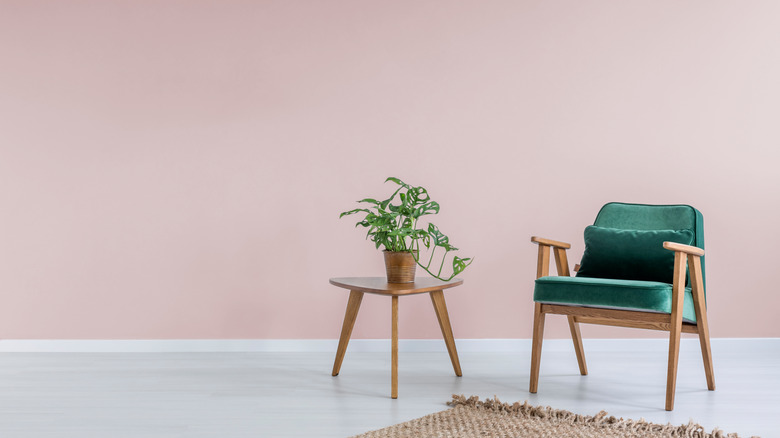
If large furniture is a problem in your space it may seem like the obvious solution is to go small, but swinging too far in the opposite direction can lead to a different host of design issues. It comes down to scale: a small room needs less obtrusive furniture, but a larger living space requires larger pieces to fit the scale of the room. When choosing furniture, consider the room's proportions. For example, if a living room has high ceilings, tall, slender pieces would help highlight the extra space.
Poor color palette
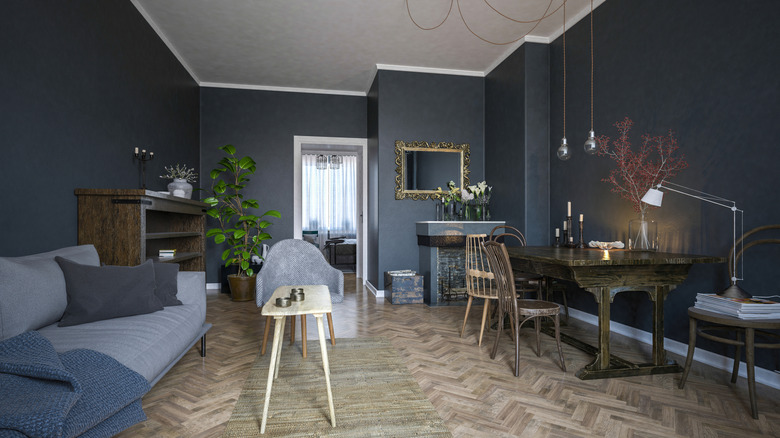
Color plays a huge role in influencing how we perceive a room. In general, light colors can make a space feel bigger, while dark colors have the opposite effect. If you've been careful with measuring and choosing the right sized furniture for your living room but it still feels cramped, the problem might be too dark of a color palette. Try adding lighter hues into your design to instantly open things up, just be sure to avoid these eight colors in your living room.
Excess furniture
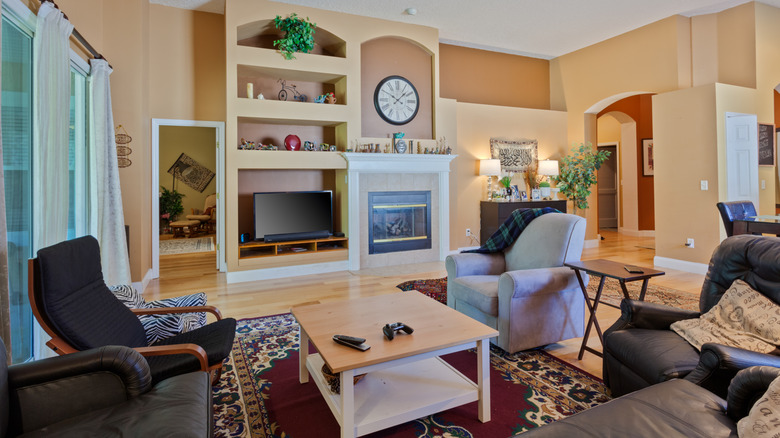
Perhaps the quickest way to make a living room feel too small is by adding an abundance of extra furniture. Just as everyday clutter like clothes, papers, and toys can eat up a space, so can decorative clutter like extra accent chairs, side tables, and ottomans. Since they can take up so much space, even just removing a couple of excess pieces can dramatically transform a room. Reducing visual clutter also applies to decor items like vases and rugs; when decorating a small space, less is almost always more.
Lack of visual interest
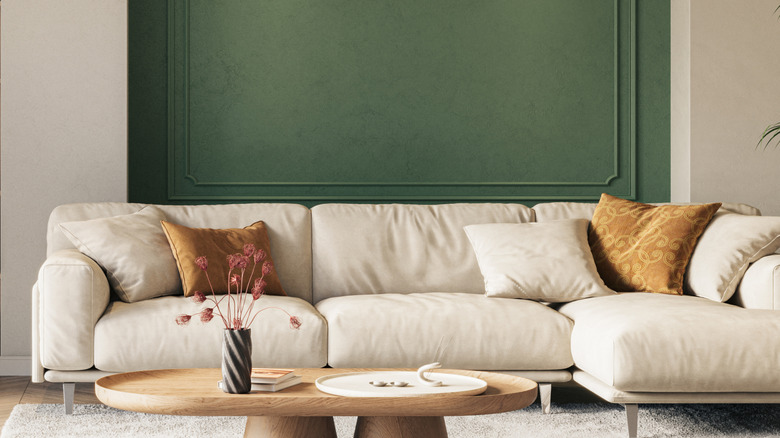
One way to open up a living space is by adding visual depth through texture and levels. The classic way to achieve this is by hanging up a large mirror that will literally trick the eye into thinking the room is bigger, though there are other ways to give a space dimension without adding extra decor. When choosing furniture styles, pieces with delicate elements like glass or wicker can create a lot more visual space, while the right upholstery texture can make the room softer and more homey.
Furniture on the floor
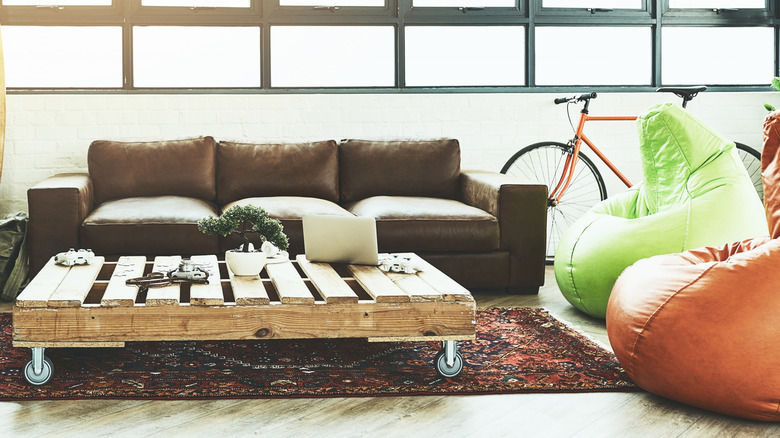
Low-profile furniture may have its place in certain aesthetics, but it can make a living room feel cramped, especially since it blocks you from seeing the floor. To keep the vibe of the room light and open, opt for furniture that is lifted off the ground. Chairs and sofas with thin legs and woodwork will allow any lighting to reach more of the room, brightening it up. If you have the structure for it, you may even want to try out hanging furniture that can make the most of your vertical space.
Not using functional furniture
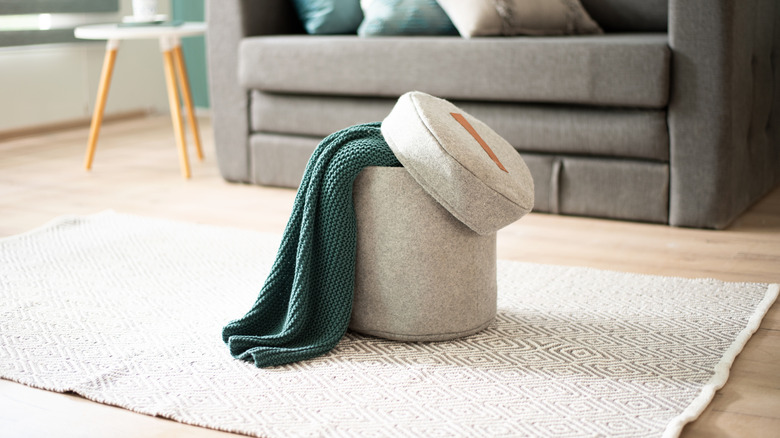
A quick way to clear up a living room is to search for furniture that can serve more than one purpose. Sofas and ottomans that also serve as storage are perfect for streamlining living rooms since they eliminate the need for bulky shelves or drawers, excellent for adding more floor space. If your living room doubles as your office, a simple adjustable desk can act as both a coffee table and a workspace. Depending on your needs, you may also consider transforming furniture like futons or recliners to further refine your living room.
Haphazardly placed pieces
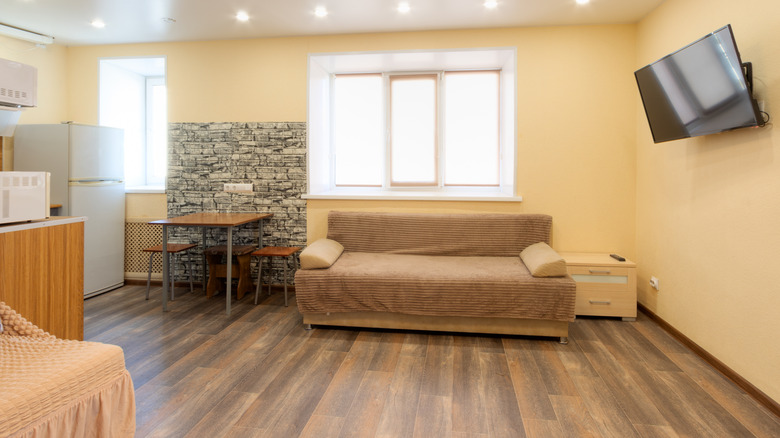
There's no point in investing in furniture that suits your living room's size if you don't take the time to arrange it thoughtfully, like setting it too close to walls or other pieces. To maintain a free flowing feel in your space, think about how you use and move around your living room before placing any furniture. Make sure there is room to move around coffee tables, access all storage, easily enter and exit the space, and generally have a bit of extra wiggle room. For more guidance, check out one of our favorite furniture placement hacks.