

Before You Start That Trendy Vertical Garden, Consider The Downsides
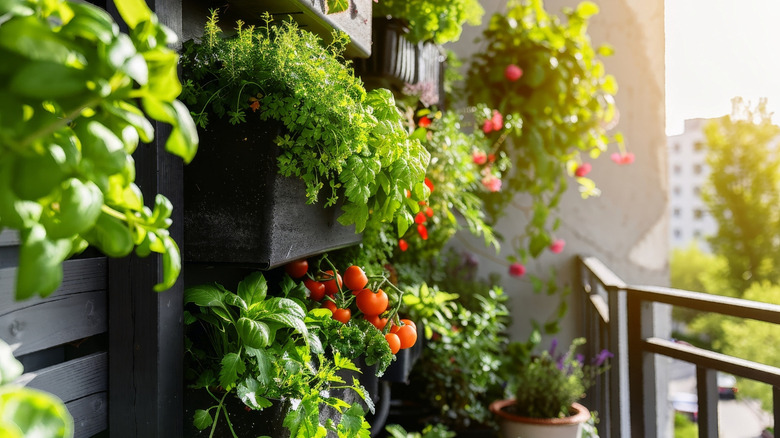
Vertical gardens are upright growing systems where plants live in wall-mounted structures, such as stacked pockets, planters, or tiered towers, rather than in the ground. While this setup is a popular way to make the most of tight spaces like small balconies or patios, sometimes it needs more effort and ongoing maintenance than some people think it's worth.
Many people jump into this trend to save floor space, but they also need to consider the weight of the mounting hardware, potting mix, and the water needed to keep everything healthy. All of this can add up to hundreds of pounds pulling against the side of your home. This constant tension can lead to property damage, such as warped siding or cracked masonry, especially if the installation isn't anchored into studs with heavy-duty fasteners.
While the upkeep might be more than expected, some gardeners like it, since a vertical garden is the key to bringing in more hummingbirds by mimicking the layout of where they like to feed. If you want to use specialized irrigation kits and moisture-resistant backing materials, the price can easily cost more than using a traditional raised bed or planters. Another issue to consider is the drainage situation. Water naturally trickles down, so the bottom containers will often stay soggy while the top ones dry out. This constant dripping can lead to algae growth on your patio or even cause wood rot on your house if you don't install a proper moisture barrier between the planters and the wall.
Vertical gardens require frequent watering to keep plants healthy
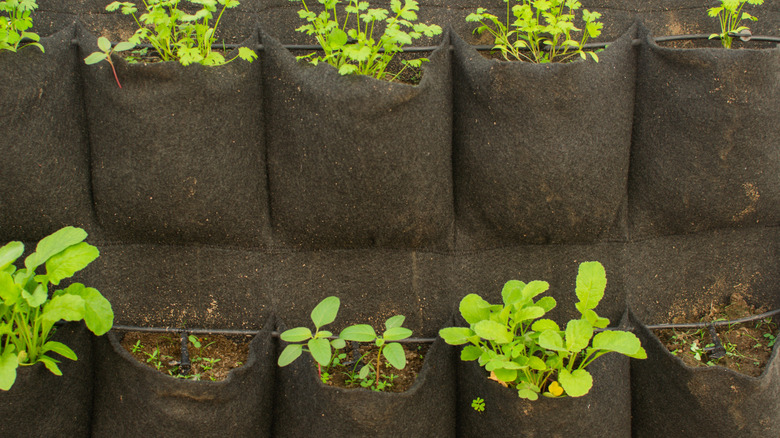
Some gardeners are often caught off guard by how quickly a vertical gardening system loses water because the elevated plants are more vulnerable to the wind. Because the containers can be thin or made out of fabric pockets, the plants lack the insulation they would have if they were planted in the ground. This exposure to wind and direct sunlight can cause a vertical garden to lose its moisture up to 30 percent faster than in a standard ground-level pot. During a hot summer stretch, you might find your plants wilting before lunchtime, needing a second round of watering in the evening to keep them alive.
Growing trailing plants are a common sight in vertical gardens and a plant like English ivy (Hedera helix) will quickly show signs of stress, like yellowing leaves or brittle stems, if the roots dry out completely. Relying on manual watering for a vertical garden is often impractical for many people, and many times they'll buy automated drip lines to help. These systems have their own issues, with clogging as the most common problem. Without regular line flushing and cleaning of the nozzles, certain sections of the vertical garden won't get as much water as they need, resulting in uneven or stunted growth.
Choose the right plants for your vertical garden
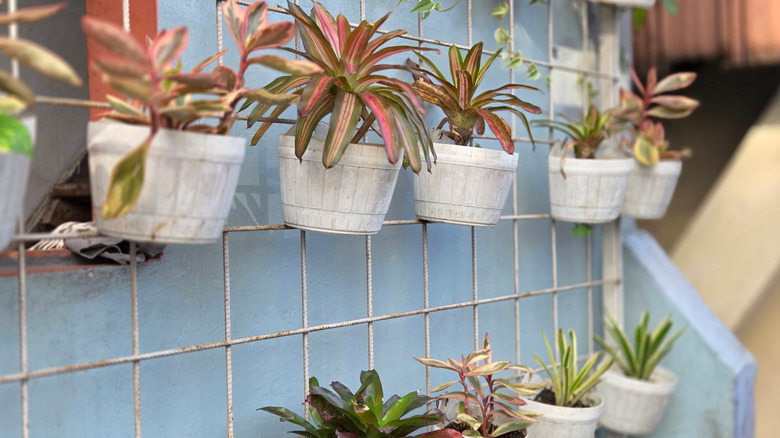
You can't just put any plant in a vertical garden and expect it to grow in that type of environment. Most vegetables with deep taproots, like full-sized carrots or parsnips, wouldn't grow well because the shallow containers don't have the space they need. Heavy-fruiting plants also wouldn't work because a trellis or a wall mount can easily break or tear away from the wall under the weight of ripening tomatoes or peppers. These types of growing limitations might force you to stick with smaller, lightweight plants or herbs, which may not be what you first imagined when you thought about how to create the vertical garden of your dreams.
Finding plants that will work in a vertical garden requires you to put light-loving plants up top and ones that grow well in shadier spots on the bottom. If you have plants on the bottom that need more sun and just aren't getting it, they can get leggy and sparse as they stretch for sunlight. Fertilizer management is also a challenge since the nutrients tend to wash out of the upper plants and pool in the lower ones. This imbalance can leave the top plants needing more nitrogen while the bottom ones suffer from leaf burn due to too much. While a vertical garden wall looks great in photos, the maintenance and initial cost can be a lot to handle. Taking some time to consider the downsides will help you decide if having one fits into your routine and budget.