

The Vintage Thrift Store Find You Can Use To Make Homemade Bird Feeders
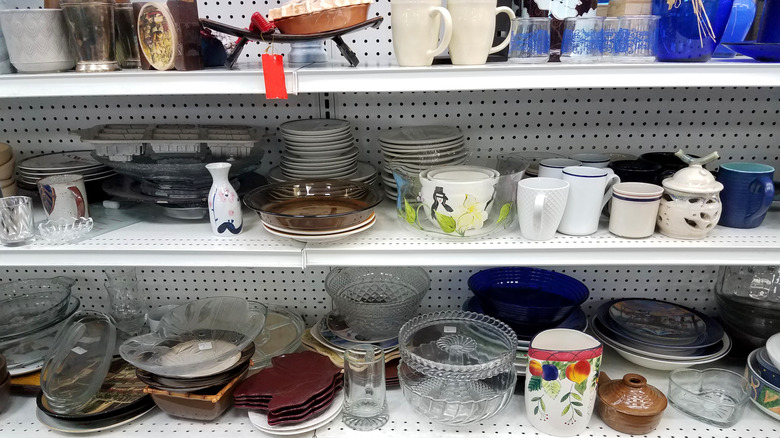
While some people may not enjoy spending the day browsing the aisles of local second-hand stores, rummage sales, or flea markets, it's an exciting hobby for crafters and collectors. Among the hoards of discarded glassware, incomplete crafting kits, and outlandish outfits, every now and then, you find a hidden treasure. Unfortunately, not all treasures are immediately obvious. Sometimes, these treasures take the form of rare and valuable items that would be better suited for an antiques dealer than a thrift store. In other cases, these treasures are simply items that were once staples in households and have since been forgotten, like Jell-O molds.
With all the kitchen gadgets and fancy products that are available at the touch of a button through online retailers, it's easy to forget about the sturdy construction and versatile application of items used by home cooks for generations. Jell-O molds were once an essential tool in a fully-equipped kitchen, especially for cooks who frequently entertained. These molds aren't just for making fun and visually stunning gelatin desserts, though. You can also use them to create bird blocks or suet for your birds in the winter!
What are vintage Jell-O molds (and how to use them)
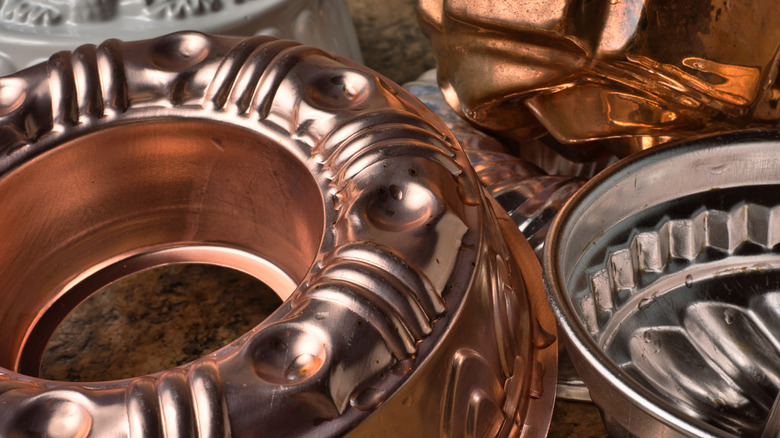
When most people think of vintage Jell-O molds, they probably think of them as a form of decor more than a useful kitchen item. It is common to see Jell-O molds hanging from the wall of an old kitchen, framing the hearth and bringing that '50s vibe to the space. Of course, you could still use thrifted Jell-O molds as decor in your kitchen, especially if you are going for a classic look. But when they became popular in the early 1900s and through the 1950s, they didn't stay on the walls for long. They were hung on walls to provide easy access without taking up space in cabinets with their odd shapes that don't neatly stack together.
While the primary use of Jell-O molds has always been to create fantastically beautiful (and delicious) layered desserts in a variety of shapes, they can be used to mold almost anything. For example, you can use them as a mold to add shape to a stunning suncatcher that you can DIY using kitchen ingredients and dried florals. The shapes are also the ideal size for making homemade bird feeders that will help local wildlife make it through the coldest months of winter. Not to mention, TikTok user @maplehousebuffalo demonstrates how circular mods with a hole in the center are perfect for hanging the feeders or any other crafty item you decide to use them for.
How to make homemade bird feeders using vintage Jell-O molds
Plenty of DIY seed recipes can bring a variety of birds to your yard, including some that take a more solid form, like suet or seed blocks. A seed block is a seed product that keeps birds from tossing and making a mess at your bird feeder, and they are so easy to make at home. Regardless of which option you choose, you can mix the ingredients in a mixing bowl, pack them tightly into the Jell-O molds, and allow them to cool until they are completely solid. They should easily release from the mold, leaving you a perfectly formed homemade bird feeder.
To make homemade suet, you need some form of rendered animal fat to act as a base for the mix. This is important for birds that eat insects to have access to healthy fats that will keep them warm and healthy through the winter. You will also need a binding agent like cornmeal or flour to hold everything together. You can add mix-ins like peanut butter, seeds, nuts, dried fruits, and even insects.
Seed blocks, on the other hand, are an option for birds that still need healthy fats but don't generally rely on insects in their diet. Instead of using rendered animal fat, you will use either gelatin, a solid shortening, or oil to mix with a variety of seeds. Most people choose coconut oil as an alternative to gelatin, but you will want to be mindful of temperature for this option. Coconut oil can melt at warm temperatures, which will leave you with a soggy seed mess in your yard, so it is only suitable for winter temperatures (preferably when it is close to freezing).