

11 Common Household Items That Have Been Banned And Why
We regularly use an abundance of items to keep our properties in good order. Together with the hundreds of different options for every product, finding the right fit can be a frustrating and exhausting experience. However, there are some that aren't a good option for any circumstance.
Constant, 24/7 news streams mean that it is almost impossible to keep up with the latest safety notices, bans, and product recalls. Some of these items have been banned due to environmental factors, others pose direct health risks, and still others have been linked to tragic deaths. All of them are worth reading up on. We never want to cause panic, but these are all products with dangers to either your health or the planet that you should be aware of.
Phosphorus detergents create harmful runoff

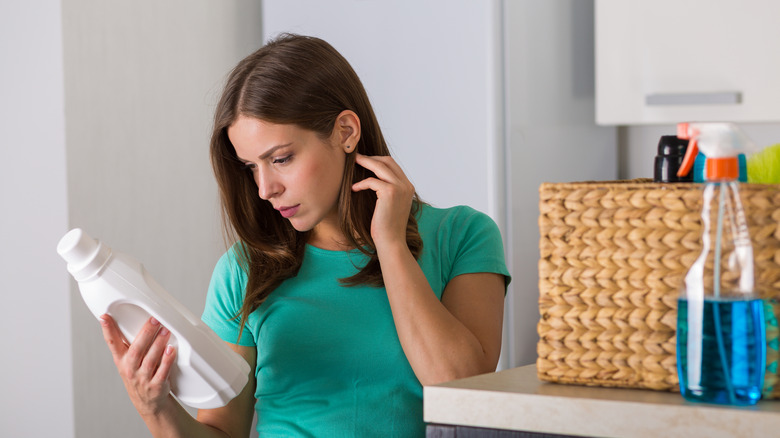
Phosphorus was used for decades as a common ingredient in household detergents thanks to its ability to break down dirt and grease. We're talking one particular type of phosphorus here, sodium triphosphate (also known as STPP). In the 1980s, scientists began investigating a link between the use of STPP and an increase in levels of algae in lakes and rivers. This is a problem because left unchecked, algae can bloom to toxic levels, seriously damaging water-based ecosystems. In the US, 17 states have banned the use of phosphorus detergents, including Illinois, Maryland, Michigan, Minnesota, New York, and Vermont.
Regulations vary between different wastewater treatment facilities, which is additionally concerning. Many may not be adequately set up to filter out the harmful chemical. In fact, they have little incentive to do so. Removing phosphorus from wastewater is an expensive process. Whilst a ban reduces the amount of phosphorus entering a facility, it does not alter the amount that a facility must treat to meet its limit.
Non-phosphorus detergents have been viewed as less effective compared to those containing the STPP. That said, increasing environmental awareness has led to significant improvements as well as an increase in the availability of greener options. These days, there are plenty of eco-friendly products to choose from. When it comes to finding the best, look for non-toxic laundry detergents with solid reviews and clean ingredients.
Corded window coverings pose a strangulation risk

I'm sure all of us would agree that, when it comes to the safety of children, regulations need to be strict. Even the most vigilant parent can overlook the potential dangers of corded window coverings, which are among many child home hazards you may have missed. Sadly, there have been many recorded cases of infant deaths through accidental strangulation linked to these products. This has led the Consumer Product Safety Commission to enact an outright ban on them. The ban, which took effect on June 1st, 2024, includes all blinds and window coverings that contain accessible cords.
Happily, the industry has been quick to respond. There is now a range of excellent window coverings available that address the problem. These ensure that cords aren't exposed or present at all. These options range from remote-controlled blinds and hand-drawn models to crank and wand-operated versions. You can even convert your basic blinds into smart blinds yourself.
Crib bumpers are linked to infant deaths

There are many infant deaths and injuries linked to crib bumpers. This led the Product Safety Commission to issue an outright ban on their sale, which went into effect on September 13, 2023. This is a tragic story that would have been difficult to foresee. The soft padding used in crib bumpers, intended for comfort and safety, in fact represents a dangerous risk of entrapment and suffocation. If by any chance you or anyone you know still uses these, it's important that they be removed immediately.
A sleep sack is a good alternative to a crib bumper as it can keep a baby cozy in the middle of the mattress. It's also important to make sure crib slats aren't wide enough for an infant's head to squeeze through. If you happen to be in the market for a brand new bed for a new family member, be sure to avoid the mistakes everyone makes when buying baby cribs.
Incandescent light bulbs are bad for the environment
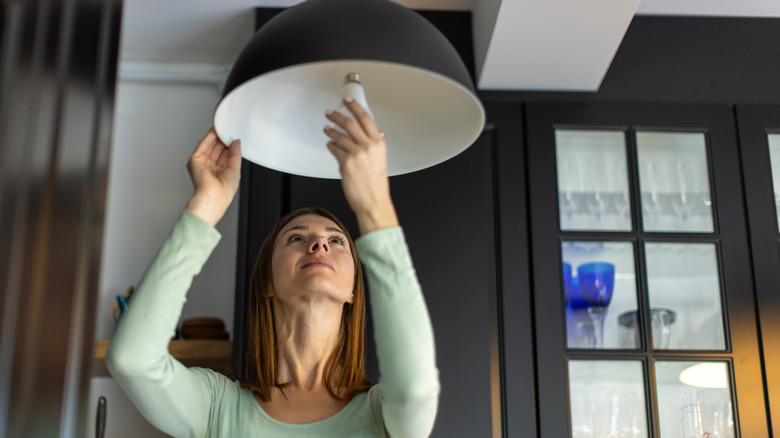
A lack of energy efficiency is the cause of the ban on incandescent light bulbs. Compact fluorescent bulbs or CFLs, which are a popular alternative, last about 10 times longer than incandescent models. Additionally, they use four times less power, leading to a decrease in the average energy bill. While it's not technically illegal to use incandescent bulbs, since 2023, it has been illegal to sell or purchase these products due to how much energy they waste.
Modern energy-efficient fluorescent bulbs are better for the environment. This is thanks to reduced energy use, but also due to reduced waste, as they need to be replaced far less often. They are also safer than incandescent bulbs, which can generate up to 98% of their energy as heat. Fluorescent bulbs work by 'exciting' particles until they collide with phosphor powder, which gives off a white light. All of this light falls within the visible spectrum, which is not the case with their incandescent cousins that use heated metal filaments. LED bulbs are another popular choice that's becoming more and more common. Just make sure to check that LED light bulbs are compatible with your standard fixtures.
Gas leaf blowers discharge harmful chemicals
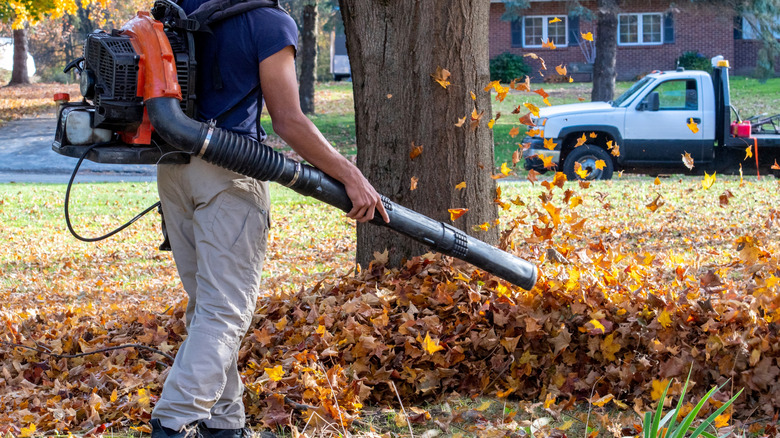
Gas-powered leaf blowers are a perfect example of a seemingly innocuous product that contains hidden dangers. The fumes emitted by these leaf blowers are the problem, as the combination of chemicals plus fine particulate matter inhaled during use can cause significant damage to the body. This damage includes increased risk of asthma and cardiovascular disease. These risks, plus the associated noise pollution, have led to certain cities and states imposing restrictions and complete bans on the usage of gas-powered blowers.
Over 200 municipalities, including states like California, have taken legal action and there is a strong likelihood that more will follow. In addition to being unhealthy for users, these leaf blowers are harmful for the planet. Data from a report by the U.S. Environmental Protection Agency showed that, across one year alone, gas-powered lawn equipment contributed over 30 million tons of carbon dioxide to the atmosphere. This may leave you asking if gas leaf blowers are essential gardening tools or if they're better overlooked in favor of battery-powered options or a simple rake?
Space heaters can release carbon monoxide
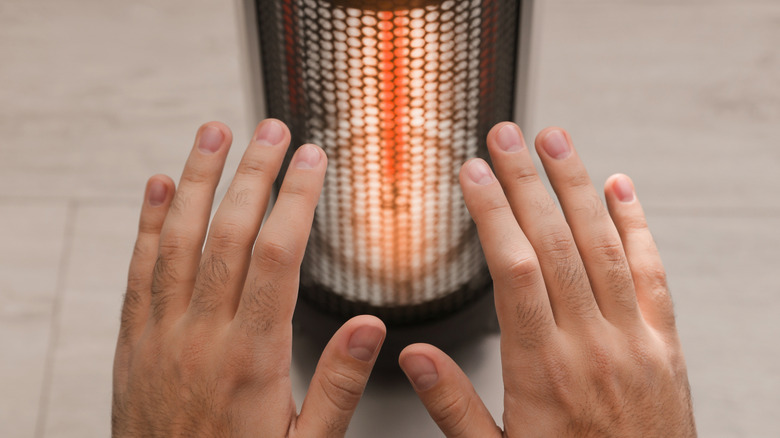
With certain exceptions, the majority of gas-powered appliances legally require significant ventilation. Water heaters, boilers, and clothes dryers are all subject to these rules. Unvented gas space heaters, often referred to as ventless or vent-free heaters, are not yet subject to blanket restrictions. However, the associated risks of their prolonged use have led to many states banning the indoor use of unvented kerosene heaters.
The problem with such heaters is that they can release carbon monoxide, nitrogen oxide, and water vapor into the home. Carbon monoxide is an odorless gas with deadly risks, whereas nitrogen oxide can cause serious respiratory problems. Water vapor can lead to the growth of mold, which also carries health risks. Electric powered space heaters are a good alternative that come in a variety of shapes, sizes, and power levels. However, these must also be used with caution. Before using an electric heater, make sure to look up safety tips from a reputable site, such as the National Fire Protection Association.
AC Units containing R-22 deplete the ozone layer
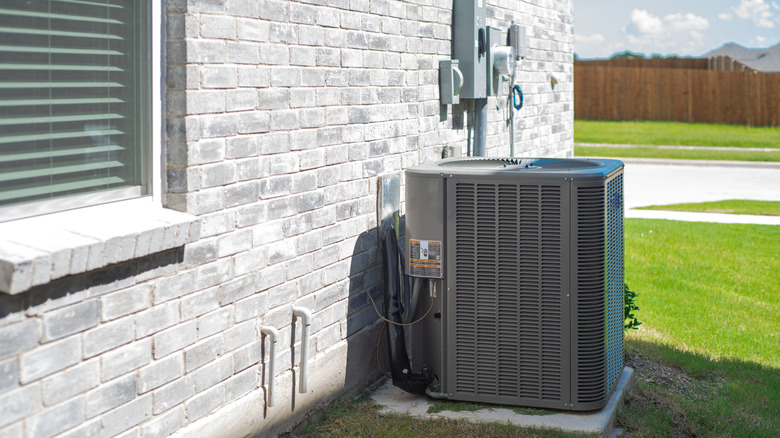
No, R-22 is not a cute robot from Star Wars. It's a refrigerant commonly used in air conditioning units. Unfortunately, R-22 is also a contributor to the depletion of Earth's ozone layer, and as such has been banned in the U.S. since January 1st, 2020. Air conditioning units aren't items that are replaced very regularly, so chances are yours may contain R-22, which is also known as HCFC-22, or freon. If so, there's no immediate need to panic. R-22 does not present a health risk, and it is not illegal to use AC that contains it. In the interests of efficiency and the environment, however, you may wish to invest in a new system.
AC units aside, there are plenty of other things you can do to help keep your home at a comfortable temperature. This includes the use of heat pumps, natural ventilation (leaving certain windows open at night), evaporative coolers, and strategic window coverings. In fact, there are many creative ways to cool your room without air conditioning.
Soap and toothpaste containing Triclosan damages your body
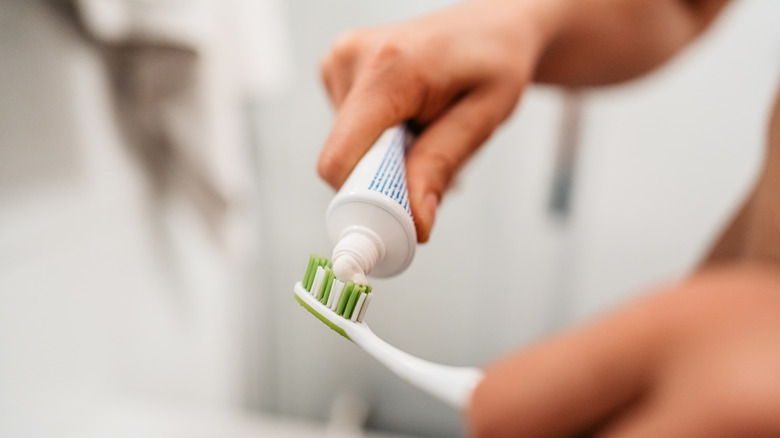
Once commonly used in soaps, body washes, and toothpaste, Triclosan has been banned since 2016 thanks to its links to hormone disruption. It's unlikely you'll encounter any, but it is worth watching out for. The ban stems from research undertaken by the Food and Drug Administration in 2013, which found that soaps containing Triclosan displayed no advantage, health-wise, over those that didn't. Additionally, the National Health and Nutrition Examination Survey discovered Triclosan in the urine of 75% of people tested. Further studies revealed that the chemical can disrupt the endocrine system and can lower the potency of antibiotics.
Your body's endocrine system, which includes the thyroid, pancreas, and pituitary gland, takes care of creating and releasing hormones in order to maintain numerous functions. Sleep, mood, growth, and development all relate to the endocrine system. So, it's easy to understand why any chemical that could cause system disruption is something to avoid.
Weedkillers containing DCPA pose a threat to pregnant women and unborn babies
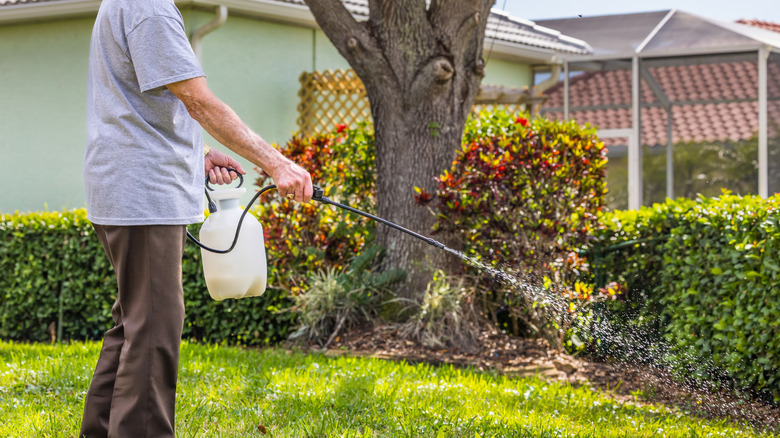
When it comes to weed killers, there is one banned chemical in particular to watch out for: chlorthal-dimethyl, also known as dimethyl tetrachloroterephthalate, Dacthal, or DCPA. This has been banned by the Environmental Protection Agency since August 2024. The EPA was so concerned that it also took the unusual step of forbidding the use of existing stocks of any weed killer containing the chemical. DCPA was often applied to broccoli, cabbage, and onion crops. However in addition to agricultural settings, it was also used in residential weed killers too.
The reason for the ban, according to the EPA, is the significant risk posed in particular to pregnant women, or more precisely, to their unborn children. They estimated that anyone handling DCPA could be exposed to up to twenty times the recommended safe dose. It's understandable, then, why the EPA took emergency action to remove this harmful chemical from the food chain. If you are in the market for a good weedkiller, you might be surprised to learn that it's easy to make your own. In fact, we tried DIY weed killers and here's our advice on how to make it worth your time.
Televisions containing organohalogen can be a hazard to your health
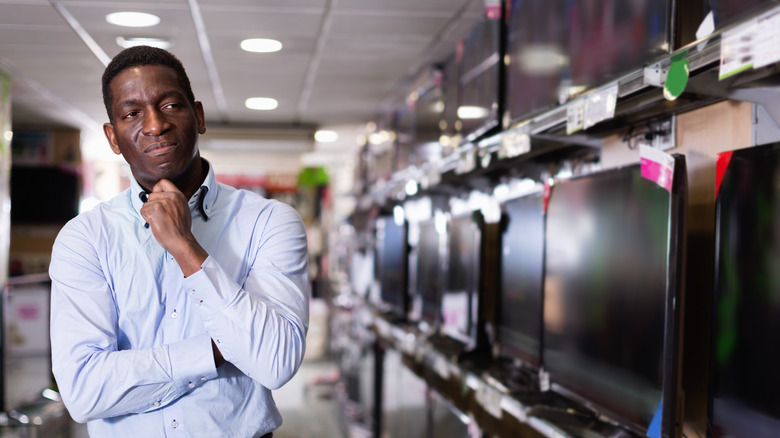
It may come as a shock to discover that televisions can pose a health hazard other than keeping us up late at night to watch one last episode of our favorite series. In fact, it's fire safety. Televisions and other electronic goods containing organohalogen flame retardants are now banned in New York. Other states may well follow suit, in line with the European Union, which banned its use in 2021.
This is because the U.S. Centers for Disease Control and Prevention has found that organohalogen compounds can migrate out of products as dust and subsequently find their way into a person's body. Furthermore, as noted by the U.S. Consumer Product Safety Commission (CPSC), the health risks linked to organohalogen compounds have been well documented and include thyroid disruption, immune disorders, neurological damage, and even cancer.
Phosphorus fertilizers harm the ecosystem
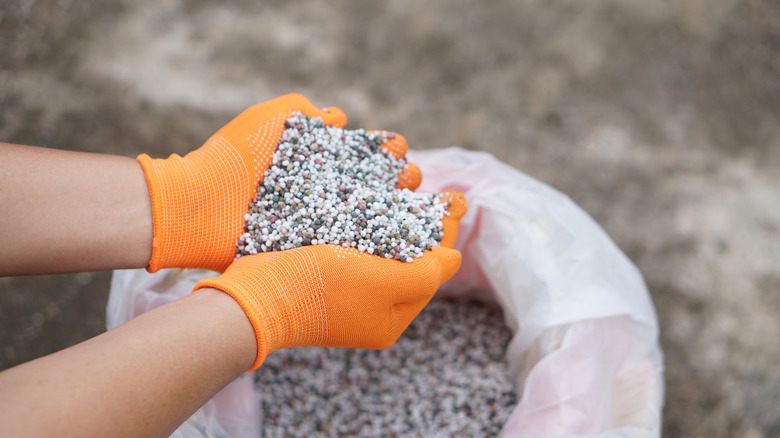
We all love a good, lazy day in the backyard with a beautifully kept lawn, but beautiful grass can come at a cost. Fertilizers containing phosphorus have been banned in several states, including Wisconsin, Minnesota, and Virginia. This is not because of immediate negative effects on humans. However, it's because excess phosphorus can easily migrate into rivers, streams, and lakes, leading to algae build-up, which, as previously noted, can prove disastrous to water ecosystems.
Thankfully, there is an easy way to check for phosphorus when you're shopping for fertilizer. Labels should clearly list the N-P-K content (nitrogen, phosphorus, potassium). You'll want to find a middle number of 0 or less than 3. Luckily, growing a healthy lawn without harsh chemicals isn't as difficult as you may think.