

13 Appliances You Might Not Need Anymore (And What To Use Instead)
We may receive a commission on purchases made from links.
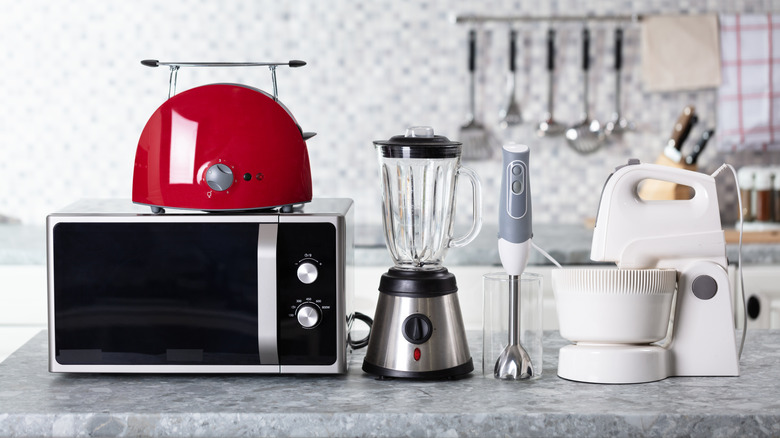
Have you collected a kitchen full of appliances that "do it all," "do it better," or do just one thing? Many of us imagine ourselves preparing elaborate frothy drinks each morning, baking bread weekly, and whipping up batches of homemade ice cream with freshly-picked berries all summer long. Appliance collecting can feel like it's going to be the key to better habits or the secret ingredient to more home cooking. But, often, seemingly "nifty" appliances end up filling our counters and cabinets without seeing the light of day.
If this sounds like your situation, it may be time for a purge. We've zeroed in on the common single-use appliances that tend to take up space while rarely getting used. Additionally, for all of these, there are ways to create the same dishes using other kitchen tools you already own.
Keurig coffee machines produce a lot of waste
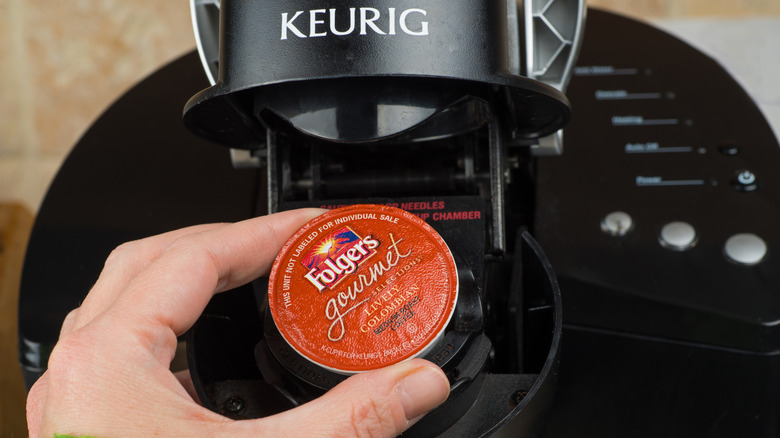
Keurig coffee makers were big for a while, and are still common in office settings. They're still big, in that they take up a lot of counter space. And there are a lot of other downsides.
If you're a coffee lover, you probably prefer a brew made from freshly ground beans and boiling hot water. The Keurig provides neither. In fact, your coffee options are limited to a relatively small selection of expensive, potentially stale, pre-boxed pods. If you're an environmentalist, Keurig pods are a real issue. Plain coffee grounds can be reused as fertilizer and have many other uses, but Keurig pods create nonbiodegradable waste that many recycling centers don't accept. K-cups can also be a source of microplastics and aluminum which have negative health impacts.
Fortunately, there are coffee making options that allow you to use the freshly-ground coffee of your choice and avoid crowding the counter. For example, the French press is easy to use, and small enough to fit in a cabinet. When you've finished your coffee, you can easily repurpose the coffee grounds. Pour-over coffee and moka pots are two other space-saving options.
Rice makers don't save much time unless you cook rice daily
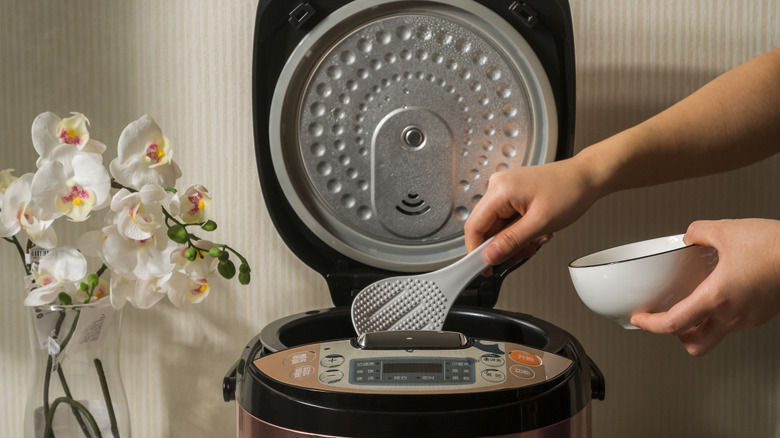
Some people make rice every single day, and for those folks a rice cooker may be indispensable. But if you cook rice only every now and then, it's a hassle to pull that space-hungry rice cooker out of the back of your kitchen cabinet each time. Rice cookers are big, space-guzzling appliances that cook just one thing in just one way. Many older models were made from aluminum coated with non-stick chemicals that contain PFOA and PFAS.
Luckily, it's simple to make rice on the stovetop using a saucepan and water. If you're prone to putting on a pot and forgetting about it, try setting a timer. If you have an Instant Pot or other electric pressure cooker, this can also double perfectly as a rice cooker. Finally, if you're dedicated to the idea of a rice cooker, consider upgrading to a non-toxic stainless steel or clay cooker instead.
Ice cream makers seldom pay themselves off
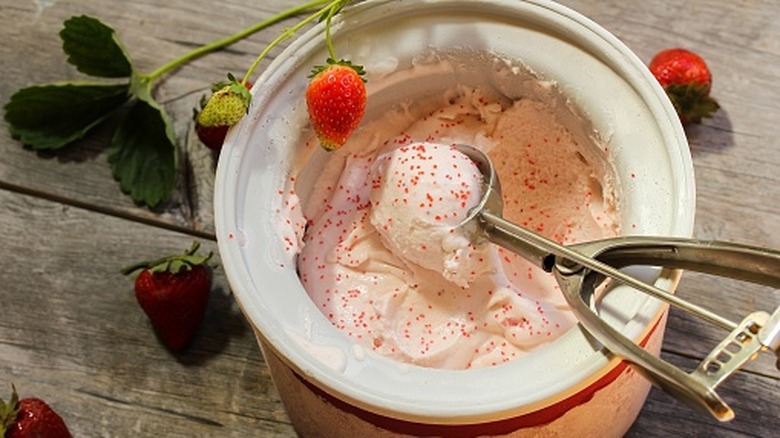
Ice cream makers sound fantastic when the weather is hot and you're craving a treat. Who doesn't like fresh ice cream made to order? But let's be honest: Few of us make our own ice cream more than a few times, even when we own a high-end home ice cream maker.
Ice cream makers can be cumbersome and tricky to use. Most are big and heavy. Some even include their own compressors to chill the cream. If they don't have compressors, they require both salt and ice. Easy-to-use high-end ice cream machines can run up to $700 or more, the cost of dozens of servings of premium ice cream parlor desserts.
Most people find that ice cream making is a fun novelty that gets old quickly. But if you're really dedicated to making your own ice cream, you don't need a big, heavy, complex machine to do it. Instead, you can make it yourself using multi-use tools you already own. In fact, making ice cream in a jar, a bag, a bowl, or a food processor is more kid-friendly, less messy, cheaper, and more fun than pulling out a one-use appliance.
Electric can openers aren't actually all that convenient
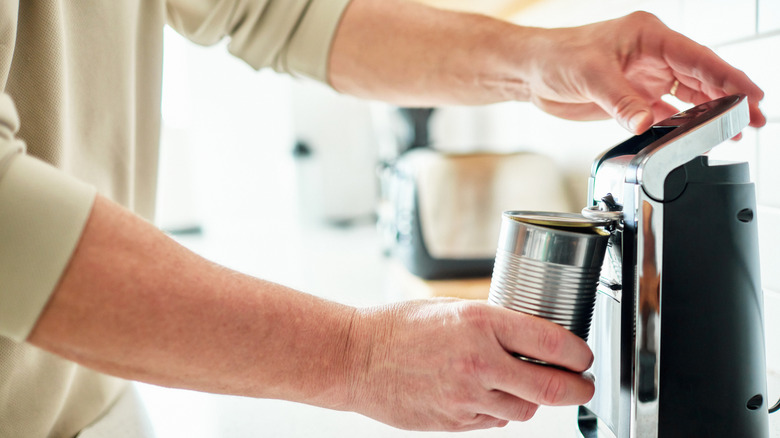
Unless you're physically unable to use a hand-operated can opener, why own a device that takes up space to do a simple job? Electric can openers were invented in the 1950s, and they caught on because they promised convenience. But for most people, hand-held can openers are just about as easy to use, and they take up far less space. Instead of having to sit out on the counter (or be lugged in and out of a pantry cupboard), a hand-operated can opener can slide into a drawer when not in use.
If you do need an electric can opener and counter space is at a premium, however, you have options. In recent years, tiny electric can openers have come on the market. Some are so small they fit into a drawer, and so modern they are powered through a USB connection. For people coping with arthritis, injuries, or physical disabilities, something like the battery-operated Kitchen Mama Auto Electric Can Opener or Canslab Turbo Rechargeable Can Opener could be a good option.
Electric kettles are less efficient than boiling water on an induction stove
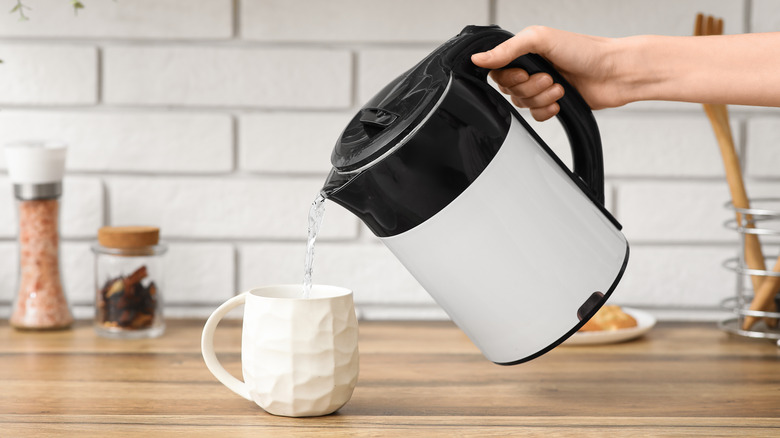
Electric kettles are typically fast and energy-efficient. But if you have an induction cooktop, you're not saving much time or money — in fact, boiling water on an induction stove top is actually considered more efficient. And even if you cook on a gas range, you're trading a slightly quicker boil for quite a bit of space. There are a few other drawbacks to electric kettles, too. For example, older models can leach nickel, so if you're using an old electric kettle it's a good idea to check its composition. The elements on electric kettles can also be hard to clean of mineral build-up.
If you decide to ditch your electric kettle for something more traditional, you have some wonderful choices available. If you have the money, you might consider a high-end, colorful Creuset model. Alternatively, go for a good old-fashioned steam kettle that will whistle when it's on the boil, and try to only boil the actual amount of water you need. Routinely boiling more water than you need can be a far more significant waste of energy than switching from an electric kettle to boiling water on a gas range.
Popcorn is so easy make (via multiple methods) that you don't need a dedicated machine

Going out and purchasing a popcorn maker to use on movie nights can feel like a fun idea, but this is another space guzzling, single-use appliance that you probably don't need. In reality, few of us make enough popcorn to warrant a full-sized popcorn popper. And there are many other ways to heat those corn kernels to a pop-inducing temperature, with or without the use of oil.
If you prefer air-popped popcorn, you can get good results by putting plain popcorn kernels into a paper bag and popping them in your microwave (though you'll want to fold the bag properly first!). If you don't mind oil-popped corn, you can also pop corn in a slow cooker, or electric pressure cooker. And of course there is the good old-fashioned method of using a pot on the stove. Nowadays you can also find healthier brands of microwave popcorn, such as Newman's Own Organics Microwave Popcorn or Orville Redenbacher's Naturals.
Dehydrators rarely get used enough to warrant the space they take
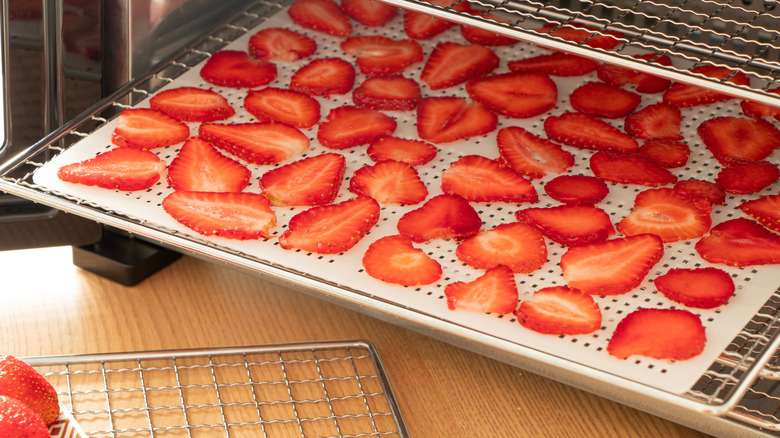
Unless you're homesteading and drying out produce without fail every season, this appliance is probably just going to eat up cabinet space. And even if you are homesteading, but just doing small batches, you may find it easier to use the oven (or the sun) to get the job done. Dehydrators are generally big machines that take up a lot of space all year round. Few people have the opportunity to use a dehydrator except during harvest season — and even then, they may prefer other preserving methods such as freezing or canning.
If you do want to dehydrate food, but don't really want to keep that big dehydrator in the cabinet, you can use your ordinary oven (or toaster oven) to get the same outcome. The key is to set the oven on a very low setting, and allow the fruit to dry for a long time. Alternatively, place trays of sliced fruit, vegetables, or herbs in bright sunlight and they'll dry out nicely — or use a towel rack to dry your herbs.
Egg boilers only cook eggs, and only one way
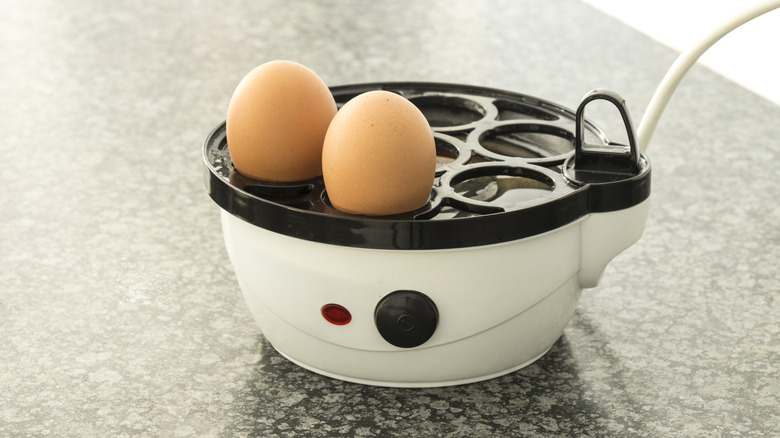
Egg boilers are perfect for folks who eat boiled eggs every morning, and want an automated option. They can produce a perfectly cooked egg every time, whether soft, hard, or medium-cooked. However, if you're not eating boiled eggs every day, you probably don't need one of these devices.
Egg boilers aren't enormous appliances, but they can still take up valuable cabinet real estate (plus, anything with a cord is typically annoying to store). And they're very specifically designed to cook only one thing: boiled eggs. So if you suddenly get a craving for scrambled, fried, coddled, or poached eggs, your boiler is useless.
The reality is that boiling eggs isn't rocket science, and anyone who can boil water can boil an egg in an ordinary saucepan. The key, however, is paying attention to the fact that your egg is cooking, and taking the egg out of the pot at the right moment. Most people who boil their own eggs use a timer to remind them to take the egg out, and a slotted spoon to avoid steam injuries.
Yogurt makers are bulky, and there are many other ways to keep culturing yogurt warm
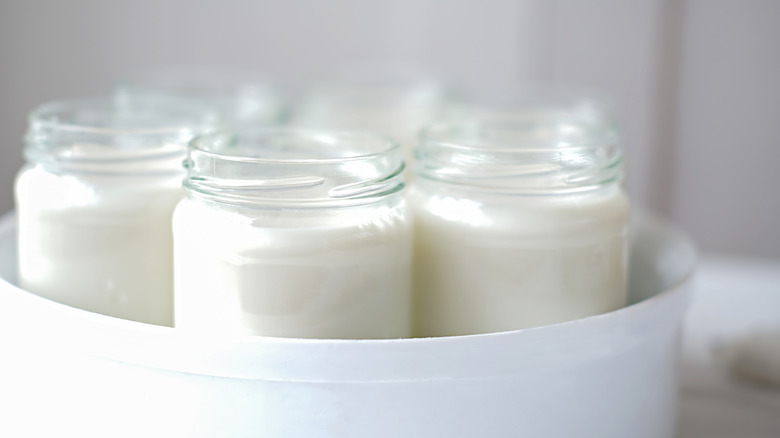
If you're making big batches of yogurt, those little cups can drive you crazy. And if you don't make yogurt often, having such a large appliance taking up space isn't worth it. After all, there are so many other ways to keep your yogurt warm. If you're really into making your own fermented food, you might be a lot happier (and save more money) by making yogurt with tools you already own.
The key to fermenting yogurt at home, once you've heated the milk and combined it with a starter, is simply to keep the milk warm for up to 24 hours. Your yogurt only needs to stay at about 110 degrees, and you can achieve that by placing your jars in a warm oven, keeping them in an insulated bag, sitting them in a warm water bath, or putting them into a slow cooker set on low. With DIY yogurt making you can culture as much or as little as you like, and use your countertop at the same time.
If you're not using that milk frothing unit, you probably don't need it
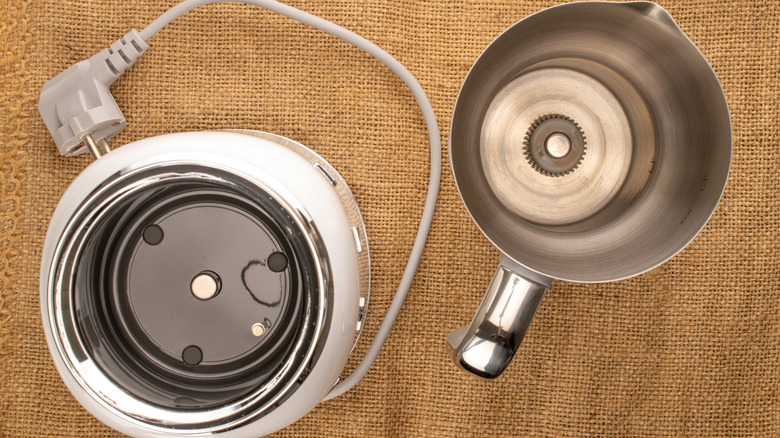
Milk frothers can be a must-have kitchen item for die-hard coffee lovers, but this doesn't mean everybody needs one. Were you gifted a big, stand-alone, electric milk frother, or bought one with visions of whipping up luxe-looking cappuccinos? If you haven't used it more than twice since buying, then it's probably worth rehoming. Milk frothers tend to be tough to clean, and the standing versions can be a hassle to store and lug out on the odd occasion you want to use them.
If you want frothy milk every so often without the space-guzzling hassle of a big unit, you have lots of options. The most obvious is to buy a small, lower-cost, handheld stick frother, which can slide into a drawer and are generally easy to clean and use. On the other hand, you can also use the tools you may already have in your cabinet, such as a whisk, hand-held mixer, or immersion blender. By far the easiest option of all is to simply heat milk in a jar and then shake it! These methods might not create the uber silky foam that a pro-grade frother would, but unless you're a coffee connoisseur, they'll probably do the job for an occasional hot chocolate. Also remember that different kinds of milk produce different kinds of foam. Don't expect the same results from low-fat oat milk that you'd get from full-fat cow's milk.
Spiralizers are bulky, single-use tools that tend to rarely get used
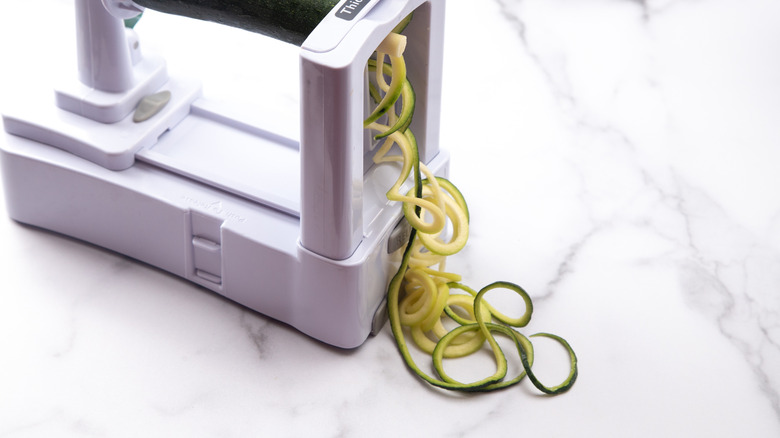
Like many kitchen gadgets, spiralizers were all the rage for a few years, but chances are that if you have one, you haven't used it in ages. And there are good reasons for that. Spiralizers are big. When you use them, you end up with a pile of damp julienned vegetable and a fair amount of wasted vegetable at the core. And cooking spiralized vegetables can be tricky — if you're not careful, you can easily end up with a mound of mushy spirals.
If you're really eager to create long, thin strips of vegetables, there are a variety of non-spiralizer techniques using tools that have a range of uses. Just a few possibilities include using a mandolin, a julienne peeler, or a simple kitchen knife. While the spirals are fun, they're a novelty that may wear off quickly.
Juicers are time-consuming to use, bulky to store, and annoying to clean
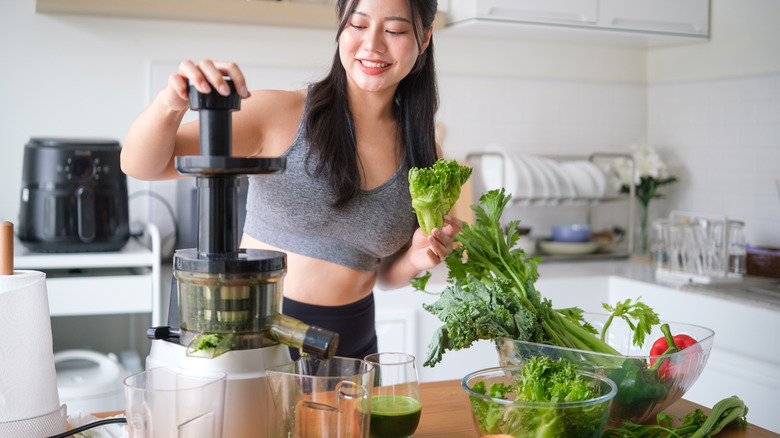
"Juicing" was a major health fad, and who doesn't like a delicious glass of OJ? But making a batch of fresh juice is a lot of work, so it's no wonder many of us have a white elephant of a juicer lurking in the back of our pantries. Juicers are really large, very loud, and extraordinarily messy. What's more, they turn your fiber-rich produce into low-fiber juice while leaving behind a soggy, nutritious residue of skin, seeds, and pulp. The reality is that "juice cleanses" are unlikely to do anything for your health; while they won't hurt you, they're high in sugar and low in nutrients.
If you find you simply don't have time to use your juicer, your best bet is to purchase high-quality vegetable juices from your local store. If you're bent on juicing vegetables for yourself, use a cold-press juicer and drink your vegetable juice while it's fresh to avoid nutrient loss. And if you're someone who simply enjoys a bit of freshly squeezed OJ from time to time, then a citrus juicer can be a good option: They're more compact and typically easier to clean than centrifugal juicers.
If you rarely bake, a bread machine is a waste of space (and if you're a pro, you wouldn't want one)
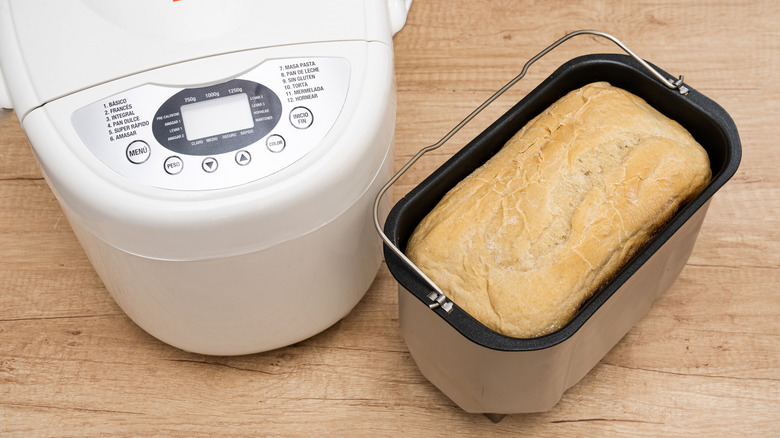
Bread makers allow you to just add the ingredients to a big appliance and walk away. A couple of hours later, a loaf of bread is ready. It's simple, it's novel, but when last did you actually haul out that bulky behemoth of a bread machine?
For people who rarely bake bread, a bread machine may seem like a great solution. But the machine is big and expensive. It's really too large for the counter, and many people only use theirs a few times in a fit of good intentions before it gets relegated to the depths of a cabinet. For people who are serious bakers, using a bread machine means sacrificing the creativity that makes bread baking so much fun. Bread makers make bread in one way, at one size, with limited options for innovation.
You can bake bread without a bread machine quite easily, if you have the time. You can knead bread dough by hand, and many people do, or you can also use a stand-up mixer with a hook to do the job. An ordinary oven is fine for baking bread. The great advantage of DIY bread baking is the breadth of options you have as a creative baker.
Baby food makers are basically a blender that boils food
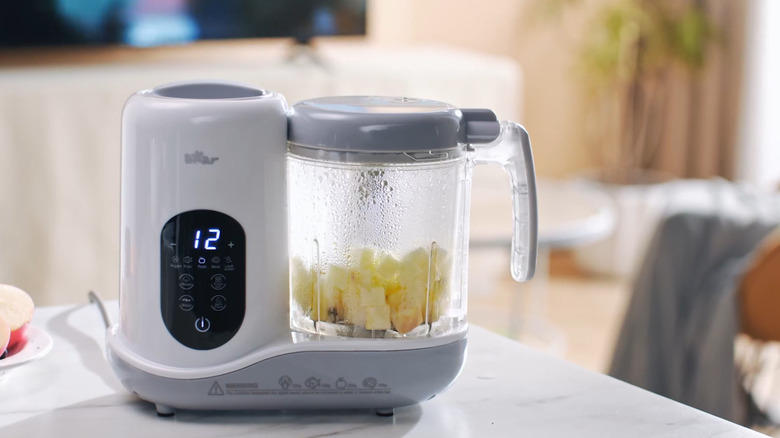
It can be great to make your own baby food. Not only is it likely to be cheaper and potentially more nutritious than the jarred varieties, but you can also customize the food to your baby's tastes and needs. If your little one loves strawberries and peas mixed together, you can give them just what they prefer. The reality, however, is that baby food is simply food that's been well-cooked and then pureed. There's nothing more to it, so there's no need for a special machine.
You can make baby food at home very simply, by cooking the food itself in a saucepan, steamer, or electric cooker and then pureeing it. Most foods can be pureed with either an ordinary blender or an immersion blender. Both of these tools are cheaper than a baby food maker and useful for a huge range of grown-up recipes.
Electric composters dehydrate food rather than turning it into real compost
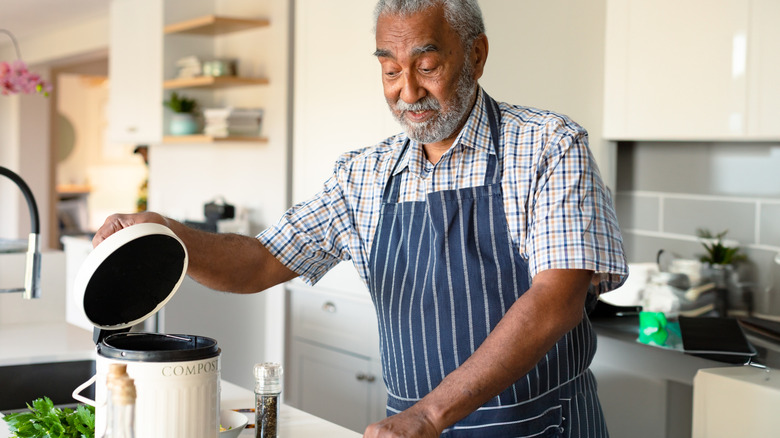
Composting recycles kitchen and garden scraps into rich mulch for your garden — so an electric composter may seem like a great investment. Unfortunately, they are pricey and may not achieve the results you're looking for. If you really want to compost your kitchen scraps, the old-fashioned methods are usually best.
Electric composters are meant to allow people in apartments to reduce the amount of food waste they create while also producing material that can be used in the garden. While these rather bulky machines do, in fact, reduce the amount of food waste by dehydrating and grinding it, they are expensive and somewhat noisy. The material they produce is also not true compost, but is instead dried food scraps.
If you are eager to produce real compost, there are several tried and true methods that do the job. But composting takes time and commitment as well as an outdoor space and, ideally, a garden where the compost can be used. If you have no outdoor space and no garden, there are composting options available for small spaces that don't require a special machine to do the work, such as bokashi composting.