

8 Cleaning Products To Avoid Using In Your Bird Feeders
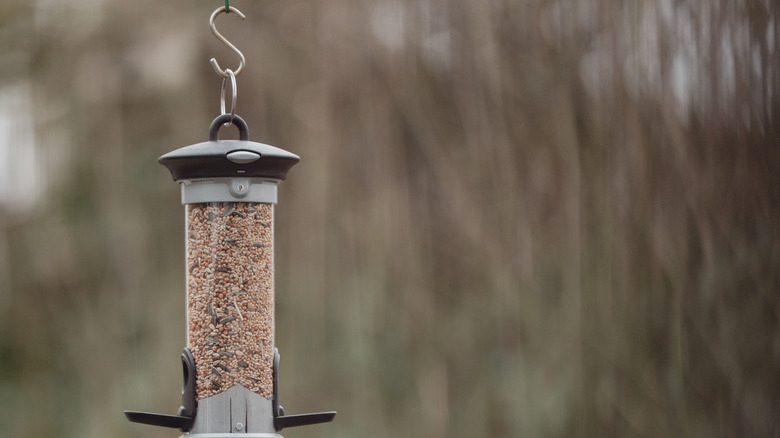
Anyone who has a bird feeder in their backyard knows that these garden items can get pretty dirty quite quickly. Old bird seed, dried bird droppings, and other materials can start to build up, eventually putting birds' health at risk. As tempting as it may be to take down your backyard bird feeders and toss them into a bowl of harsh cleaning solution to get rid of the unwanted odors and grime, these products require a very specific type of sanitizing process. Avoid making the mistake of leaving spoiled food, droppings, and other hazardous materials on your feeders, as you are risking infecting your visiting birds with illness. However, certain cleaning products can also harm the birds. To safely clean and rinse a bird feeder, you want to avoid using harsh chemicals like ammonia, non-diluted bleach, detergents, acetone, and chlorine, just to name a few. Instead, use a simple mix of soap and hot water to clean your bird feeder or a vinegar-water solution.
Whether you have a tray, platform, tube, or mesh feeder, it's important to regularly clean these areas to ensure you and your backyard birds stay as healthy as possible. It's recommended to clean your bird feeders about once every two to four weeks, depending on how heavy the traffic is. If the weather has been particularly wet, you should take care to clean the feeders more often, like once every week to two weeks, to avoid the risk of mold growth or illness, specifically salmonella or respiratory illness. Make sure to always thoroughly wash your hands after touching or cleaning a bird feeder, even if you wore gloves during the process. If you want to be extra thorough, you can even bring your bird feeder indoors at night to decrease the risk of mold growth or other contaminants.
To keep your bird feeders safe, avoid these cleaning products.
Boric acid
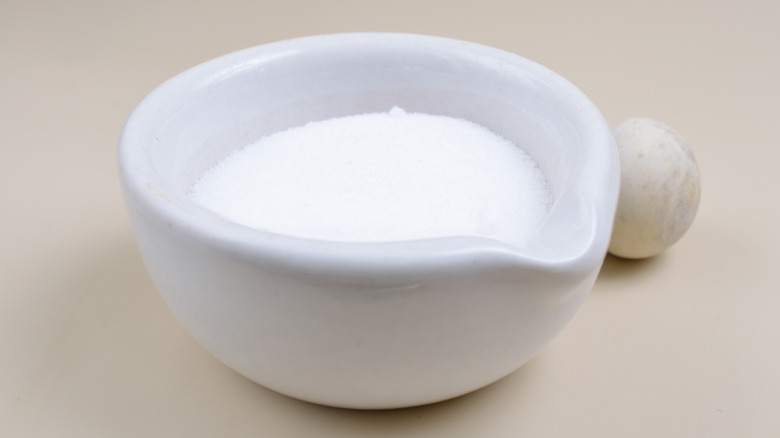
Boric acid, a common ingredient in pesticides, should not be used as a cleaner for your bird feeders. While this cleaning agent is considered to be relatively non-toxic for birds in low doses, it's not recommended to be used as a cleaner for feeders or any product used by birds. If you do end up having to use this product, ensure that you rinse and dry the feeder thoroughly to avoid leaving any residue.
Acetone
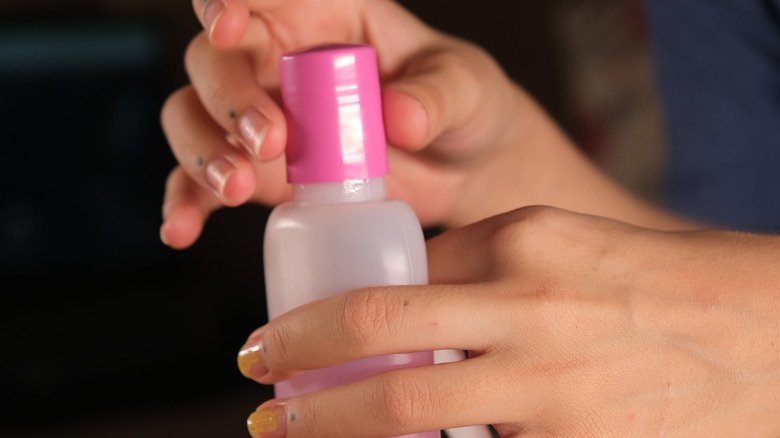
The next time you need to clean the bird feeder in your backyard, avoid grabbing a bottle of acetone. This harsh chemical, typically known as a nail polish remove or industrial cleaner, should not be used around animals as it can be toxic for them to ingest. Not only is it harmful for the environment, but acetone can also damage your bird feeder if it's made of plastic.
Bleach
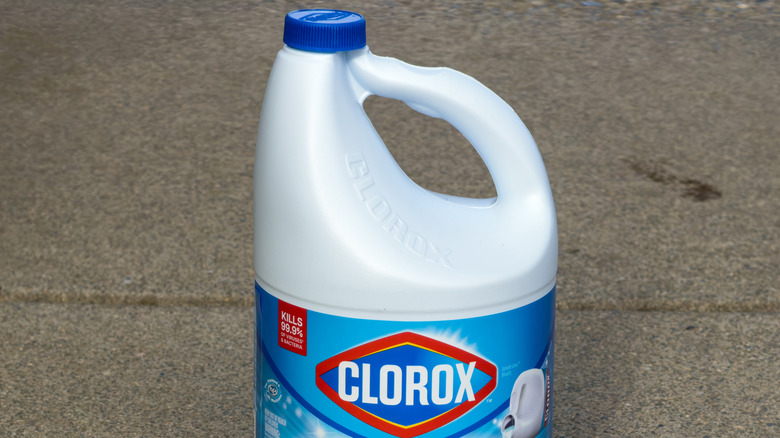
Bleach is another hazardous chemical you want to avoid using on your bird feeders. When not diluted, bleach is incredibly toxic to birds. In general, you should avoid using this product for these cleaning projects as it is also considered harmful for the environment and can break down your bird feeder over time. (While it's not recommended to use non-diluted bleach as a cleaning method for bird feeders, you can use a diluted solution. To do so, combine one part bleach with at least nine parts water. Always rinse thoroughly.)
Detergent
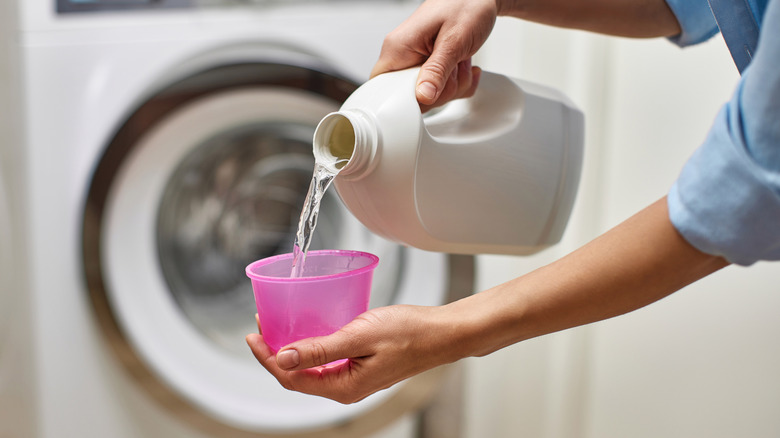
While detergent may be a basic cleaning product we use without a second thought throughout our homes, it should not be utilized to clean and sanitize bird feeders. These types of cleaning products can be harmful to your backyard birds and should be replaced with basic soap and water. If you've already used a detergent or similar cleaning product, ensure that you've rinsed the item completely and allowed it to fully dry to avoid any leftover residue.
Pine oil
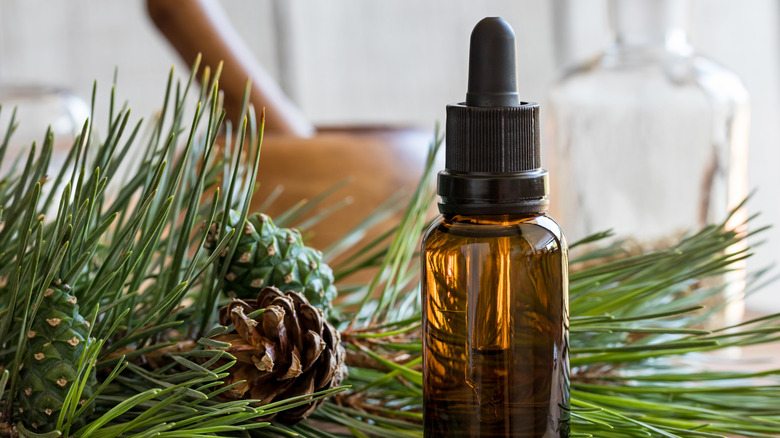
A common ingredient in household cleaning products, pine oil should be avoided when it comes to cleaning bird feeders. While this essential oil can be helpful for removing bacteria and mold, it can be toxic when in contact with animals. Essential oils in general are considered harmful to animals, especially birds as they have delicate respiratory systems. They can also be damaging to their feathers and skin.
Chlorine
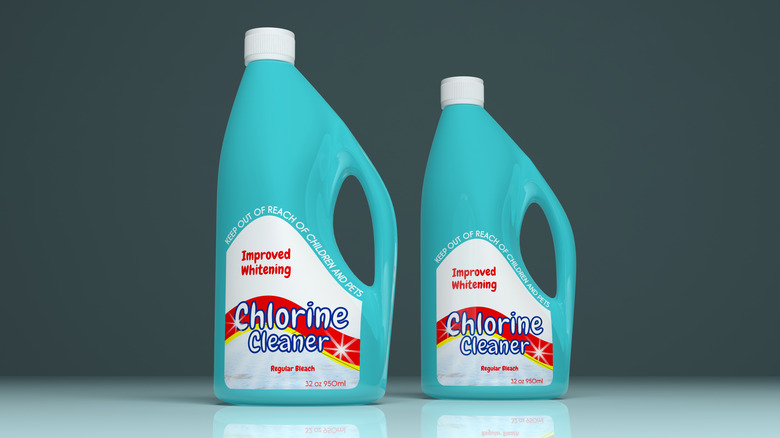
Similar to bleach, non-diluted chlorine should be avoided when cleaning bird feeders as it can be toxic to animals. However, you can use a diluted solution by combining one cup of chlorine with one gallon of water. When you use diluted chlorine, always make sure you fully rinse the chlorine solution off to ensure the birds cannot ingest any leftover residue.
Ammonia
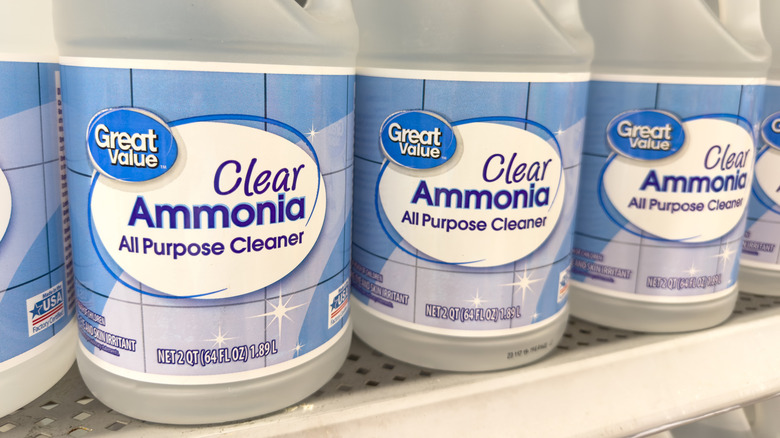
Not only is ammonia toxic to human eyes and skin, but it is also toxic to birds. Like other chemical cleaners, ammonia should be avoided at all costs when it comes to bird care, and that includes cleaning bird feeders. Ammonia can also cause damage to the feeder itself due to its harsh properties, as well as harm other backyard animals like squirrels who may come in contact with it.
Clorox wipes
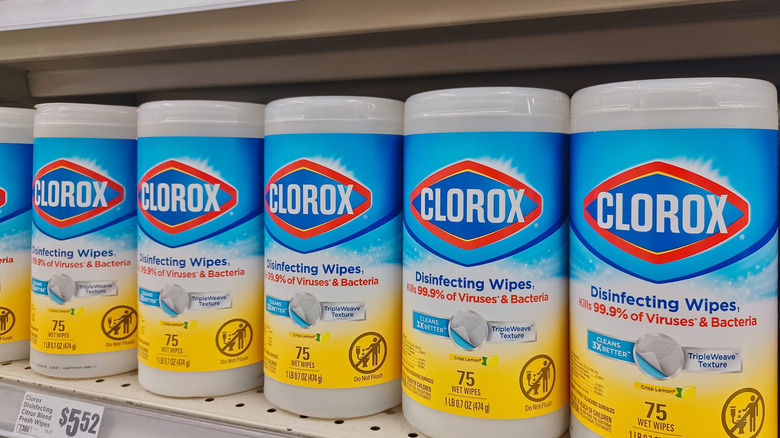
As simple as it may sound to use Clorox wipes to clean and sanitize bird feeders, this type of cleaner is not always recommended. Like bleach or chlorine, these types of wipes can accidentally leave a residue on your feeder, which can be toxic to the birds in your yard. Opt instead of a damp rag with soapy water, and make sure to always wash your hands after cleaning your bird feeder.