

14 Homebuyer Trends Sellers Need To Know About In 2026

Rising costs, evolving lifestyles, and access to real-time market data are reshaping how prospective buyers evaluate homes. And in 2026, they know exactly what they want. Rather than solely focusing on upfront purchase expenses and square footage, many are prioritizing long-term savings, comfort, functionality, and lasting usability. Additionally, it's no longer about trendy or bespoke designs. Instead, traditional, livable spaces are becoming more desired.
To better understand what today's buyers are looking for and help you facilitate the selling process, House Digest spoke to six real estate experts from across the country. Their exclusive takes proved to be extremely insightful. From layout preferences and repair expectations to smart convenience and energy-efficiency, these professionals share the homebuyer trends sellers need to be on top of this year. As a bonus, we've included tips on how to better align with them to draw more interest and take your listing off the market faster.
Defined areas are outpacing completely open concept spaces
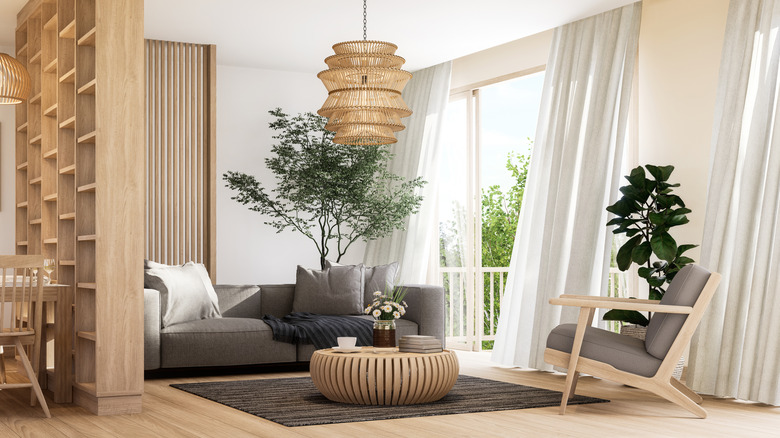
For years after the 1990s, open floor plans dominated homebuyers' wishlists. They created a sense of spaciousness in smaller homes, improved natural light flow, and promoted a more connected, interactive lifestyle. But in 2026, as people continue to work and spend more time at home, buyers are rethinking how those spaces function in daily life. "Rooms with definition that provide privacy, while still having good flow, are becoming more desirable than open floor plans that limit flexibility," Eric Bramlett, broker and owner of Bramlett Partners, tells House Digest in an exclusive interview.
If completely undoing an open layout isn't in your budget, focus on how you can make spaces feel more intentional. Lucky for you, there are many ways to divide an open concept home. Thoughtful staging can highlight flexibility without any major renovations. Think defined seating areas and clear transition between rooms. For example, you can introduce a partition or folding screen to the back of a couch, accent an area of the ceiling, or let open shelving act as a divider. Even something as simple as using rugs to delineate spaces or arranging furniture in groupings can demonstrate how each area serves a purpose. Up for a bit more? Consider installing indoor breeze blocks, glass partitions, or sliding doors.
Functional improvements are preferred over cosmetic luxury
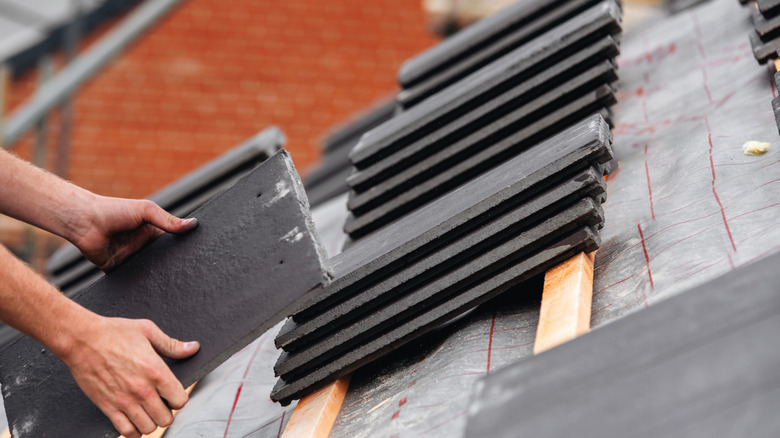
Because of rising repair costs, a shortage in skilled labor, and uncertainty around future expenses, homebuyers are becoming more cautious and value-driven. Attention is shifting away from flashiness and appearance, and instead moving toward how well a house actually functions. As Bramlett notes, "What buyers are focusing on is the condition of the fundamental systems of the home rather than the finishes. Updated systems, whether it be the HVAC, the roof, the windows, or the overall maintenance of the home, are playing a larger role than looks."
He goes on to emphasize that "sellers who are focusing on the fundamentals are able to build more trust with buyers." This, in turn, can influence both offer strength and negotiations. To stand out in the market and inspire more confidence in prospective buyers, schedule a pre-listing inspection that can help you identify major structural and functional issues in foundation, roofing, plumbing, electrical, and HVAC systems. Also, take care of upgrades and maintenance, and make sure to provide clear documentation of that history.
Warm, neutral spaces that feel livable and classic
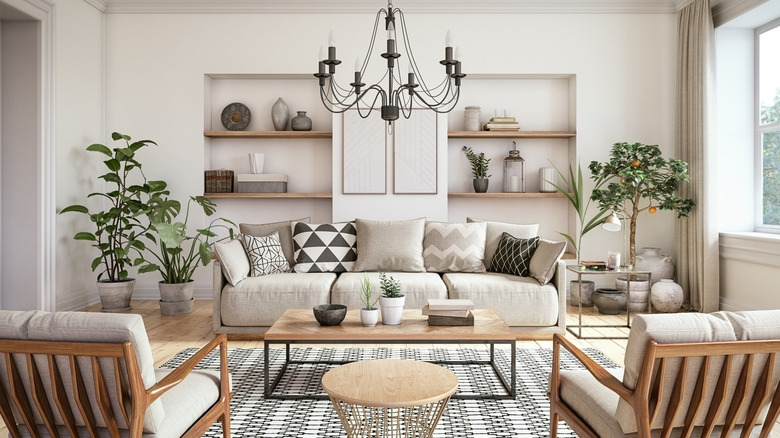
After years of trend-driven design cycles, homebuyers are now seeking homes that feel timeless. "Homes that feature warm and neutral color schemes and materials are resonating more than those that are decorated based on specific and bold trends," Bremlett explains. "Buyers are responding more favorably to spaces that feel calm and easy to live in, as opposed to spaces that feel overly decorated," he adds. These classic spaces also inspire a stronger emotional connection to a home. With highly customized choices, it's hard to imagine personalizing a space without doing heavy lifting. On the other hand, neutral colors and nature-inspired textures help buyers visualize their own belongings and routines in the home.
This shift, Bramlett asserts, can "impact time on market and strength of offers." And the thing is, neutral doesn't have to mean bland. Organic colors, like taupes and mushrooms, natural materials, layered textures, warm finishes, and lightly polished metals can create a sense of comfort and longevity. If you're going to paint or repaint, 2026's official paint colors of the year include some excellent choices, such as Sherwin Williams' Universal Khaki, C2 Paint's Epernay, and Dutch Boy's Melodious Ivory.
Homes that don't require repairs

As noted above, homebuyers are looking to avoid repair and renovation costs. Raleigh Realty Property Expert and Owner Ryan Fitzgerald exclusively tells House Digest, "Buyers want homes that require little or no repair. This is true even for buyers who have previously liked fixer-uppers." You're guaranteed to benefit from addressing areas with a high return on investment if you take on a few projects to raise the value of your home. According to Fitzgerald, "sellers who have completed some repairs generate more interest and faster offers than those who leave the repairs for the buyer." Plus, it can reduce friction during negotiations, avoid inspection-related delays, and make a home feel move-in ready.
After taking care of previously mentioned core systems, focus on other updates and repairs to revive the home. Start with broken or outdated appliances. Fix or replace damaged flooring, and consider getting rid of carpet, especially in main living areas. If necessary, repair windows, screens, doors, and garage doors. Where needed, get new grout and caulking. Eliminate common eyesores that make your home harder to sell, like peeling paint, bathtub stains, and mismatched tiles. For homes with dogs or cats, erase any pet damage. And don't forget exterior updates, like fixing cracks in cement, replacing broken railings, and sprucing up your lawn.
Homes with functional outdoor living areas
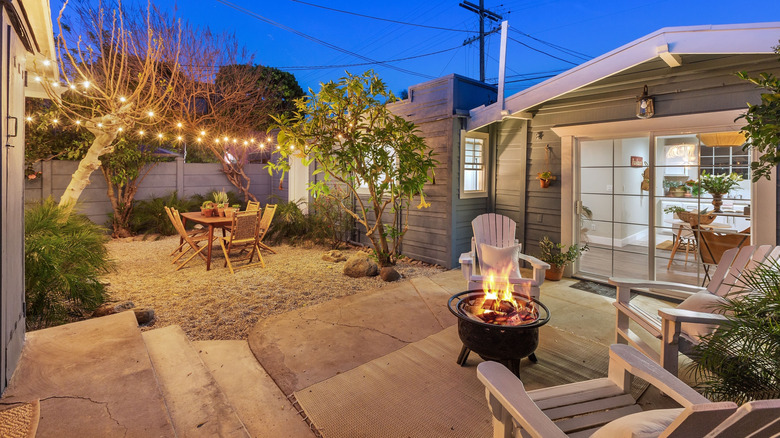
These days, outdoor spaces are taking on new importance. Fitzgerald shares, "Screened-in porches, patios, decks, and private backyard spaces are viewed as additional living spaces, not just desirable features." It's not so much about square footage, but about increasing the usable area of a home. People want to spend time outdoors relaxing, connecting, and entertaining. And they'd also like for these spaces to function as a retreat, especially in busy neighborhoods. But Fitzgerald says that "well-designed outdoor spaces are also major pluses in suburban homes." When shopping for a new home, homebuyers are keeping their eyes peeled for shaded areas, good indoor-outdoor flow, and privacy.
To help prospective buyers envision how they'll use the space, start with creating defined zones for lounging, dining, and cooking or grilling. Introduce pergolas or retractable awnings to offer refuge from the sun. For both distinction and privacy, tall greenery, lattice screens, and shades can work wonders. And don't underestimate the power of something as simple as landscape lighting and using a rug to ground an area. If you're worried about a budget, there are ways to create a stylish outdoor space without breaking the bank. It just takes a little imagination and smart shopping.
Everyday comfort over showpiece spaces
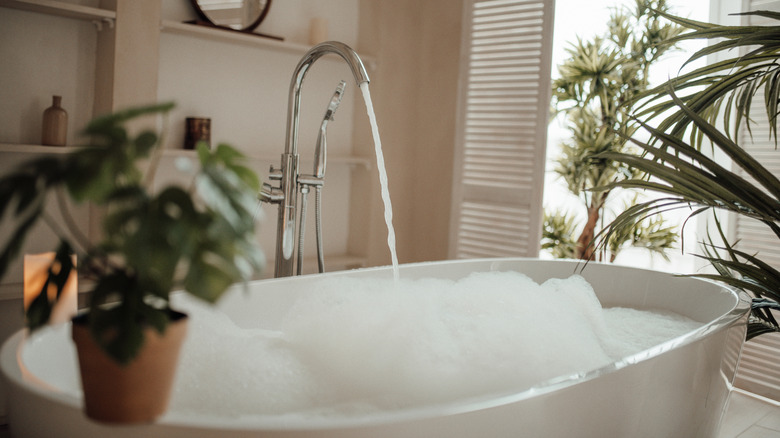
The shift from rigid showpiece spaces toward more comfortable, functional homes is on the rise. During his exclusive House Digest interview, Waterfront Homes Founder Chris Murphy states, "In 2026, buyers are no longer impressed by homes that look like they belong in a magazine." Instead, they're looking for long-term usability and coziness. As he adds, "What really matters to them is finding a space that helps them relax and genuinely feel at home." This is why being intentional in how spaces are presented is key. "As a realtor," Murphy remarks, "I always emphasize how important good flow is and how every feature should serve a clear purpose."
For a more intuitive layout, create clear and direct pathways, maintain consistent flooring between rooms, use focal points to naturally guide the eye, and define zones, be it with rugs, lighting, or furniture. In your MLS description, translate home attributes into lifestyle benefits. And don't skip out on prioritizing function in features and decor. Based on what Murphy is witnessing, "Details like rounded furniture edges, curved kitchen islands, and deeper bathtubs or spa-style showers are becoming a big plus." Curved forms, softer geometry, dedicated wellness zones, and at-home escapes add that warmth and sense of peace prospective buyers are looking for. Even simple things like a meditation corner, zen outdoor garden, or reading nook can make a house feel like a sanctuary. Murphy stresses that "buyers are constantly looking for ways to reduce stress, and a home that supports that feeling has strong, lasting appeal."
Well-restored traditional details with character
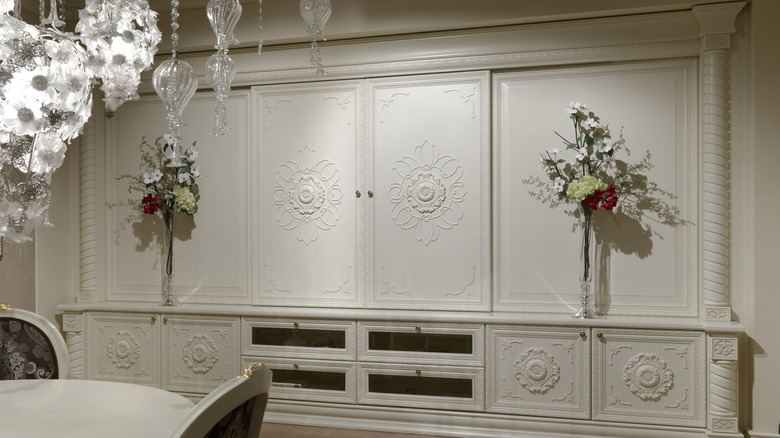
Modern homes may lean toward uniformity, but homebuyers are growing more drawn to properties with personality and craftsmanship. Zillow reports that in 2026, there's a significant increase in searches like "artisan craftsmanship," "vintage accents," and "whimsy." Murphy says, "Buyers today want more character, and historical features provide exactly that. I often see people fall in love with details that remind them of their grandmother's home." What they're after are unique elements that evoke a sense of warmth and nostalgia, and that serve as reflections of their individuality. "Paneled walls and wainscoting, traditional fireplace surrounds, and brass, bronze, and aged finishes instead of chrome make a space feel warmer and more special," he continues.
However, these features should be "fully restored and renovated, not worn out or neglected." When thoughtfully preserved, they can add depth and distinction without alienating buyers who still value modern comfort and functionality. If your home is newer, you can easily create a homey, lived-in charm with additions like wall appliqués and stained-glass window treatments. Other small upgrades include switching out builder-grade door knobs, cabinet hardware, light switch plates, and outlet covers for vintage brass, porcelain, or glass options. Working with a bigger budget? Install hardwood floors, frame windows and doorways with wide molding, bring in antique lighting, and add cornices to cabinetry.
Flexible layouts are replacing fixed room functions
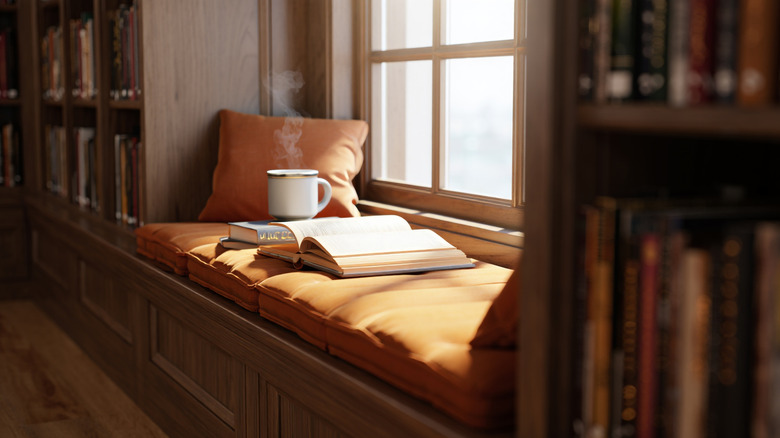
Lifestyles are becoming more fluid, which is reshaping how homebuyers evaluate floor plans in 2026. "Buyers today need their rooms to serve more than one purpose," comments Murphy. "They love spaces they can easily adjust to working from home, spending time with family, or enjoying their hobbies without feeling crowded or limited," he continues. According to him, homes that feel adaptable often generate stronger emotional buy-in and greater confidence during the decision-making process. This is because they "help buyers immediately imagine how the space will fit into their own routine."
To capitalize on this trend, be intentional when labeling rooms in listings. Using terms like "bonus room" and "flex space" will garner more attention. So will "third space," which refers to areas that offer a personal retreat, like a built-in window seat, reading area, or cozy corner with a good view. You should also stage rooms with versatility in mind. For instance, add a defined workspace to a guest bedroom, or convert a nook in a den to a craft area. If you have a finished basement, it's a room you should take advantage of for this purpose.
Smart home technology that offers convenience
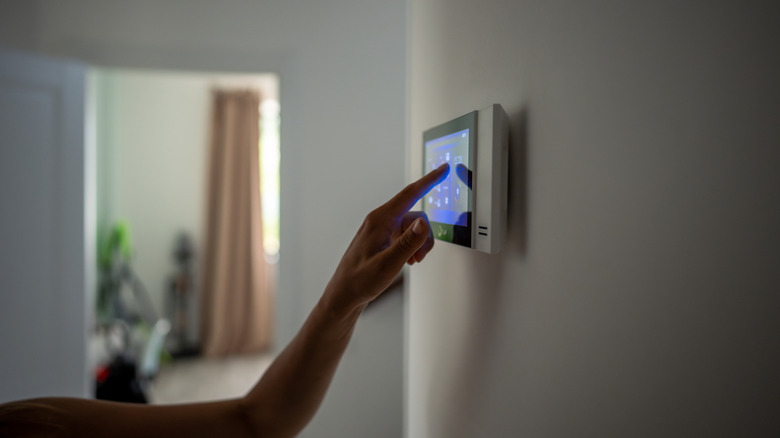
Smart technology that offers convenience and signals a modern, thoughtfully updated home is becoming more and more appealing. While exclusively speaking to House Digest, Marilyn Comiskey, a multi-award-winning San Diego real estate expert and team owner at The Comiskey Group, reveals, "Homebuyers seek properties that include smart lighting systems, automated temperature control, and security protection that they can operate using their voice commands or mobile devices." For some, these amenities are no longer luxuries, but considered essential.
In a competitive market, making an investment in these technologies can boost property value and help your home sell faster. Comiskey notes that prospective buyers want to be able to "start any app in the house, clean the home, turn on the heating, even when they are not there." Other smart features to consider adding include irrigation systems, locks, mirrors, toilets, faucets, entertainment centers, and outlets and plugs. These are upgrades buyers are actively filtering for, so include them in your MLS description.
Granny flats and ADUs are a common request among buyers
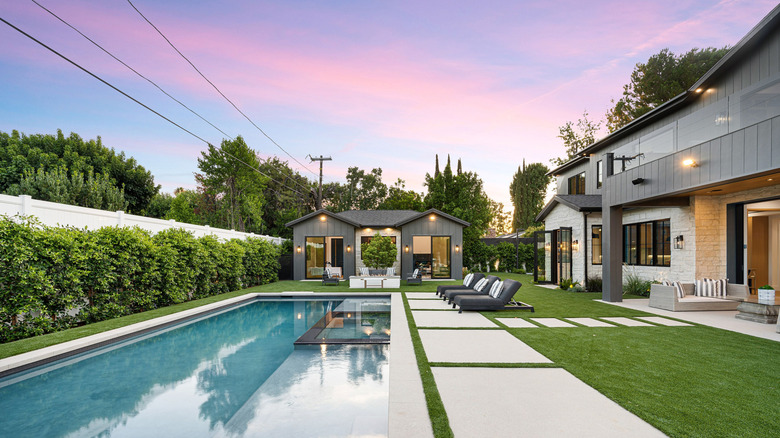
As homebuyers look to maximize flexibility and affordability, accessory dwelling units, like granny flats, garage conversions, and in-law suites, are becoming a major consideration. Additionally, these spaces are ideal for hosting, providing privacy for both guests and homeowners. In an exclusive interview with House Digest, Realtor and Team Lead Kimberly Schmidt at Compass San Diego shares that detached casitas and ADUs are among the most common requests she's receiving from buyers. Schmidt says, "This is because they're eager to either rent it out to help offset their mortgage payment, or use it for family members who will be living with them, like aging parents or adult children."
In last year's Zillow's Zeitgeist, it was revealed that search terms associated with multi-generational living were among the top. Those include the following: ADU, duplex, guest house, casita, in-law suite, and mother-daughter. If you don't have an ADU, it's well worth the investment. Schmidt also observes, "With some cities, including San Diego, making ADUs easier to permit and build, they have become increasingly popular and will continue to do so." But be aware that there are important factors to consider before adding an accessory dwelling unit to your backyard.
Energy efficiency and lower operating costs
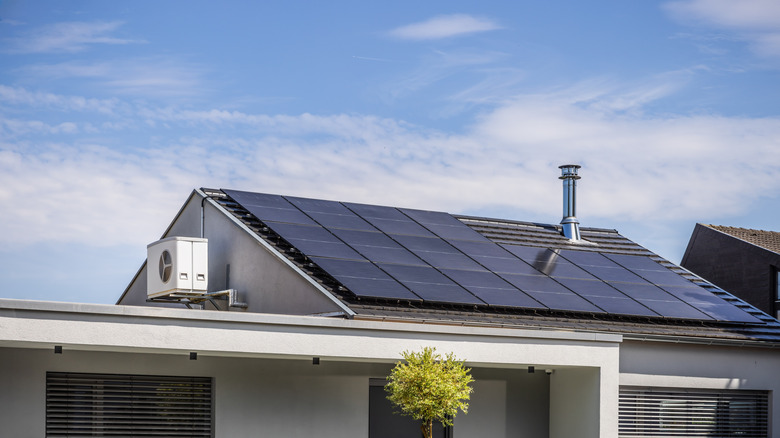
Today, homebuyers are looking beyond purchase price and paying closer attention to the long-term, ongoing costs of home ownership, with utilities, maintenance, and energy-efficiency in mind. As a matter of fact, many buyers are willing to pay higher upfront, if it means lower future expenses. Eric Field, the founder of Big Door Home Buyers in Chicago, names this as one the largest trends of 2026 during an exclusive interview with House Digest. He's noticing that "more and more buyers are becoming savvy about the operating costs of a property, not just the actual cost," and that "they're recognizing that this can sometimes rival property taxes."
As a seller, you'd be remiss not to take advantage of this demand for energy-efficient homes. Hire a professional for an energy audit to help you identify what changes to make. To start, seal gaps around doors and windows. Some sought-after features Field points out are energy-efficient windows and better insulation. Other energy-efficient upgrades that can make your listing catch the eye of prospective buyers include doors, appliances, water heaters, HVAC systems, and smart or programmable thermostats. Although a worthy investment, there are important factors to consider before installing solar panels, so do your research first.
Buyers are becoming more data-driven

Access to market data has changed how homebuyers evaluate listings, making pricing strategy more crucial than ever. With resources like automated home value tools, price history tracking, real-time comps, and neighborhood market trends, buyers are far more analytical than in previous years. Before even booking a tour, they research every possible detail — local appreciation rates, crime statistics, safety, school quality, property-specific ROI renovations, and more. Field explains, "Buyers are more data-driven than ever, and overpriced homes are languishing longer in 2026 than they were just a few years ago. Homes that reflect realistic pricing based on current market conditions continue to outperform."
Based on his experience, Field says that "sellers who take a more realistic approach to pricing strategies will generally see more successful results, particularly in the early stages of a sale." Keeping in mind that buyers interpret extended time on the market as a red flag, you have to be willing to price your home appropriately from the start. Transparent, data-backed pricing from the get-go can also help you pass appraisal, avoid renegotiations and concessions, and ensure a successful deal.
Homebuyers want location-based lifestyle convenience
One homebuyer trend that never changes is location. So, it's no surprise that buyers continue to prioritize closeness to essential services, stores, and recreation. Field claims that "aside from proximity to schools or public transport, buyers in 2026 want convenience in their daily lifestyles." He tells us they desire "access to grocery shopping, cafes, gyms, and parks." This shows in a recent REMAX survey that found the biggest attractions for buyers to be grocery stores and shopping, dining, and outdoor spaces. Field shares, "there's also a strong demand for neighborhoods that provide a chance for people to reduce their need to drive as part of their lifestyle." In fact, walkability is a huge selling point, especially among Millennial and Gen Z buyers.
This is why it's crucial for sellers to strengthen their listings by highlighting neighborhood amenities and lifestyle benefits. Emphasize pedestrian-friendliness and nearby businesses. List any community pools, gardens, tennis courts, or parks. Don't forget to include proximity to highways and commute times. Knowing these things inspires buyers to envision how the home's location can fit into their everyday life.
Storage and organization features are becoming a must-have
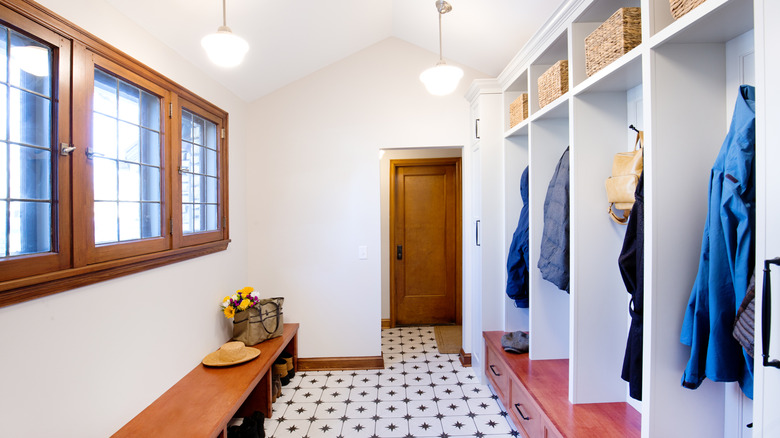
Buyers want to find a home where they can see themselves in an open, welcoming, and organized space. Which is why, as Field reveals, "storage has become a significant selling feature for a home." With homes taking on more roles with remote work, wellness, and leisure and entertainment, storage and organization features are becoming a critical consideration for homebuyers. He goes on to state that "as a result of the more functional use of a home, storage is not 'nice to have' but a 'must-have,' and is often a topic of conversation during a showing."
In his experience, "there's a strong positive reaction to organized spaces such as closets, a pantry, a mudroom, and storage spaces within a garage." Making simple upgrades, such as pull-out organizers or extra shelves, can make your listing more appealing. Before showcasing your home, it's important to declutter and organize as much as possible. Actually, it's wise to rent self-storage for excess belongings. You want prospective buyers to be able to imagine how they can use the space for their own needs.