

What Are The Major Differences Between An American And European Kitchen?
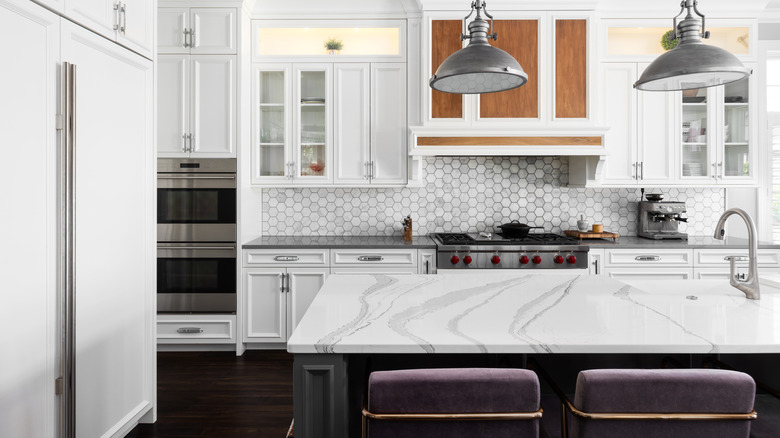
Life happens in the kitchen. It's where good food is made, great conversations take place, and guests frequently congregate. But a fully functional kitchen that's also a social hub is a more accurate description of American kitchens. European layouts have different priorities that aren't shaped around entertaining, with everything serving a purpose rather than fitting a decor style. From the size of appliances to frameless floor-to-ceiling cabinets, both set ups are shaped by the everyday habits of the people living inside.
Whether you've divided your open concept home into a peaceful layout, modern U.S. kitchens are multitasking zones that blur the lines between cooking, eating meals together, and lounging around. American kitchens are big and bright, with plenty of room for a hardworking island that can double as a food prep station and a makeshift office for working from home.
Although Euro kitchens take up less real estate, they're no less breathtaking. What they lack in square footage, they make up for in aesthetics. These kitchens have a minimalist look and feature high-quality construction, with a focus on efficiency and maximizing space. You'll often see clutter-free European kitchens with cozy, natural materials, like stone countertops and wood cabinets.
But which modern design layout is best for you and your lifestyle? Let's dive into their differences so you can decide.
Main differences between American and European kitchen layouts
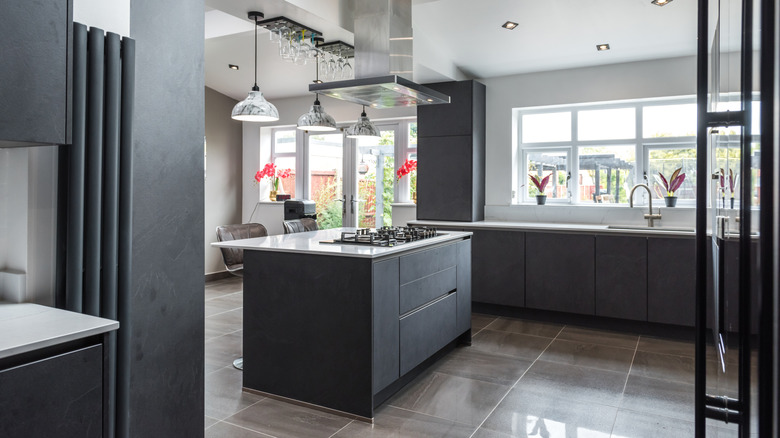
The biggest differences between American and European kitchens boil down to scale and they are used. Euro kitchens get down to business. American layouts are showy, relying on the home's open spaces to create a welcoming vibe.
Euro designs prioritize functionality and don't take one square inch for granted. That's why the design is focused on efficiency rather than a place to congregate. Appliances are taller, slimmer, and integrated into the landscape, like practical refrigerators that add more storage. In contrast, American kitchens are uber spacious and comfortable, with wider walkways that encourage socialization. These spacious spots are perfect for displaying oversized appliances that can steal the spotlight, including fancy French door fridges and ranges that command attention.
European layouts optimize vertical space to create more storage. Flat-front style cabinets reach all the way up to the ceiling and lack the ornate details of American styles. Instead, they emphasize sleek, handle-free designs that virtually disappear into the walls. American cabinets are part of the kitchen decor, leaning into spacious, contemporary looks with visible decorative hardware that instantly elevates the space without much effort.
If your priority is saving space, then a European kitchen might be for you. On the other hand, if you prefer lots of elbow room and space to walk around and socialize, then an American kitchen is your best bet.