

You Did Your Big Home Declutter Job: Now What?
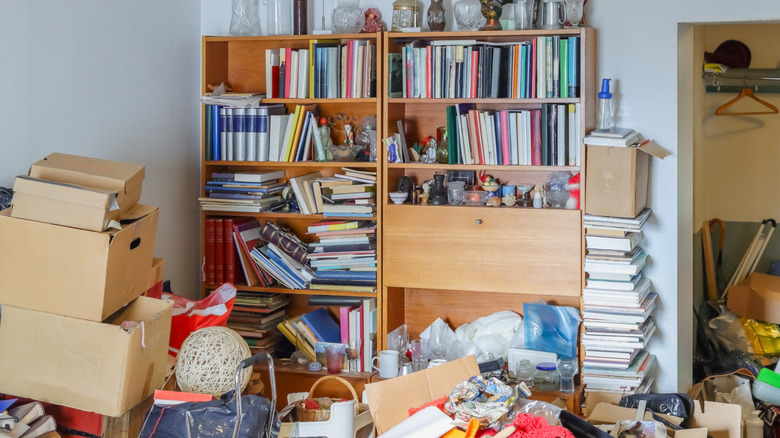
The sigh of relief escaping your lips when you've finished decluttering your home might also be the sound of stress leaving your body that comes with making sense of the mess in your house. But you're not done yet. All of the clothes you took out of the closet, the junk you sorted out of the drawers, and the things you moved out of the attic have to be dealt with before you're well and truly done. The temptation to just toss it all might be strong, but that's not the best way for you to finish the project. There are charities happy to take your usable things off your hands, things you can sell or recycle, gifts to be given, and decisions to make about what gets thrown away.
You can save time by sorting your clutter into five categories as you go, but if that adds stress to the process, save the sorting until the end. But one thing you should do without fail as you declutter is toss your throwaways after each decluttering session. If you haven't completed the job on day one, remove the temptation to go through the discards one last time by permanently removing them from your home. All of the other stuff should go into piles for donation, recycling, gifts, and things you might be able to sell. Each category has a few limitations, so it's important to do a little research into how to dispose of things properly. Batteries, for instance, shouldn't be thrown in the trash. You can recycle old power tool batteries at Lowe's.
Donate or throw away? Dealing with the leftovers
Aside from batteries, there are other potentially dangerous items you shouldn't put out with the household trash, like paint. Latex paint can be safely thrown out if you mix it with kitty litter and allow it to dry, but oil-based paint is considered hazardous waste. Contact your landfill or local government to find out where to dispose of paint and some cleaners, pesticides, and oils that are also hazardous. Shred important papers before disposing of them. If you find yourself with a lot of trash and no way to get it to the landfill, look up junk removal companies in your area or buy a bag dumpster.
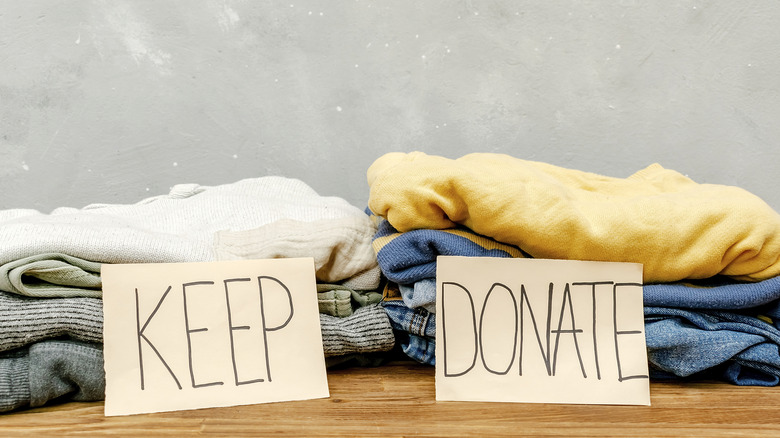
Some charities will pick up your donations and leave you with a tax receipt, but keep in mind that most charities don't have the resources to make your less-than-perfect donations usable. Don't burden them with broken items or torn clothing, and wash your clothes and linens before you donate them. Consider choosing an organization that echoes your values. If you live in an area where drop-off boxes for donations have popped up in parking lots, check to see if those donations are used for a nonprofit charity or as inventory in a for-profit retail shop.
Sell, recycle, or gift things from your decluttered home
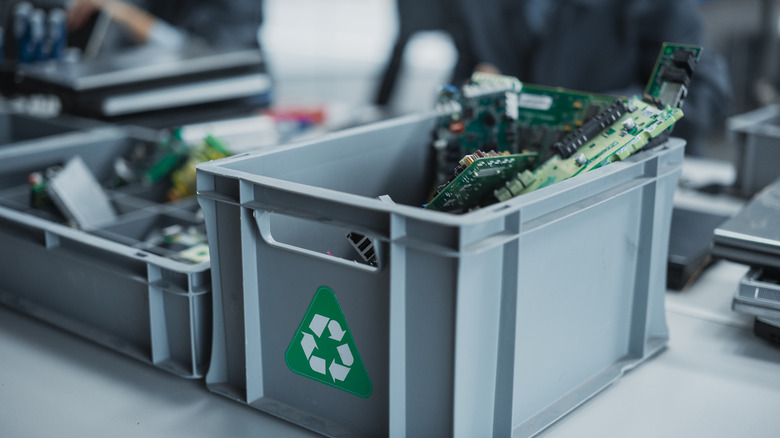
Once you've thrown things away or donated them, you should have only three small piles — recycle, give to someone meaningful to you, or sell. You probably already recycle the usual household stuff like cans and bottles. But if you wind up with big stacks of glossy magazines when you declutter, or other things that your local recycler may not take, check before you put them in the bin. If they don't take them, your local schools might be able to use them for projects.
Gifting shouldn't just be an excuse to get rid of stuff. Think about how the gift will be received. It doesn't have to be something of monetary value; it could be a scarf a friend loves but you've only worn once. If the gift won't be appreciated, move it to the donate or sell pile.
When you tackle your sell pile by having a garage sale or putting items on a site like Craigslist, make a deal with yourself that those things will be donated after a set period of time if they don't sell. When you list online, make sure your descriptions are thorough and mention any flaws. Price your decluttering sale items fairly, but don't be afraid to accept all offers.