

Here's Our Expert's Advice On Incorporating 1970s-Style Decor Into Your 2026 Home
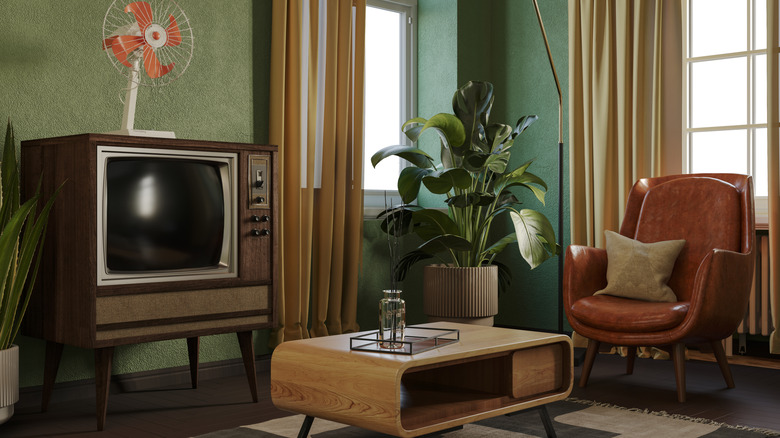
With the rising popularity of thrift shopping and vintage decor, we're seeing the trends of old back in the spotlight decades later. One era in particular that's getting a lot of attention is the 1970s. Defined by bohemian design elements, natural materials, and earthy color palettes, the '70s brought about a lived-in, expressive interior style that we still draw inspiration from today. But is 1970s decor timeless or just a trend? House Digest caught up with Bilal Rehman, CEO and principal designer of Bilal Rehman Studio and founder of Bilal Rehman Gallery, for an exclusive interview to gain some insight into the return of this trend.
"The 1970s was an era defined by confidence, experimentation, and warmth, qualities that align closely with the direction of modern design today," Rehman shared. "Contemporary interiors are increasingly embracing softer architecture, organic forms, and emotionally resonant spaces, all of which draw natural inspiration from the 1970s." He went on to explain how 1970s style decor can seamlessly meld with current trends such as curved silhouettes, sculptural furniture, layered textures, and earthy color palettes when applied in restraint. But there is a fine line to walk between a grounded, modern look versus a nostalgic, dated design. Rehman revealed his best tips on how to strike a proper balance.
Your guide to using 1970s decor in your home
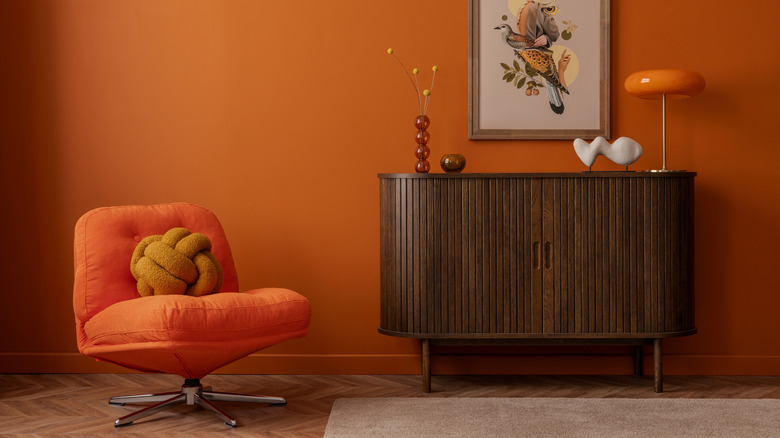
So how exactly does one embrace the 1970s with modern design sensibilities? Bilal Rehman provided House Digest the inside scoop. "First, prioritize form over nostalgia. The strongest references to the 1970s come from shape and material rather than literal colors or patterns. Curves, volume, and presence are more impactful than graphic motifs," Rehman told us. "Second, use texture as a unifying element. The 1970s celebrated tactile materials such as bouclé, wool, suede, and natural stone. In modern interiors, texture adds depth and warmth without visual clutter, especially when paired with contemporary finishes like polished plaster or glass."
Rehman suggested playing off two key 1970s focal points, balancing them with modern finishes and well-structured negative space. For instance, you may consider sprinkling in statement decor trends from the '70s such as a sculptural lounge chair or textured wall treatment. However, intangible elements can also be used to stunning effect. "Allow lighting to guide the narrative of the space," Rehman shared. "Lighting in the 1970s was expressive and atmospheric. Today, sculptural fixtures, warm tonal temperatures, and layered lighting strategies help spaces feel intimate, refined, and intentional."
Of course, not every wild interior flourish from the 70s is suitable for a modern home that's seeped in the period's design. As such, it's important to remain mindful and objective when selecting decor and to prioritize a less is more approach. "The most effective approach in 2026 is thoughtful editing," Rehman explained. "Rather than recreating the decade, homeowners should reinterpret its essence through a contemporary lens. Begin with strong architectural foundations such as clean lines, neutral tones, and well considered proportions, then layer in 1970s inspired elements as moments of warmth and character."
What to avoid when decorating with 1970s decor
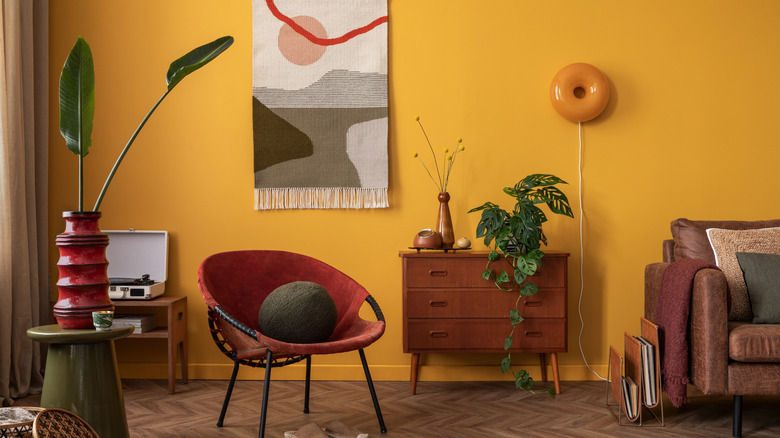
Before you dive headfirst into the '70s aesthetic, remember, balance is everything. There is such a thing as too much vintage decor if you want to remain somewhat grounded in modern design. Shoehorning in pieces once considered home decor essentials from the '70s can quickly snowball into an overly stylized mess if not approached with restraint.
"One of the most common mistakes is overcommitting to the aesthetic. Incorporating too many 1970s elements such as bold colors, heavy furniture, and patterned surfaces can quickly make a space feel dated rather than timeless," Bilal Rehman advised in his exclusive interview with House Digest. He went on to explain that scale and proportion are also important considerations to keep in mind. Since furniture from the 1970s tends to be on the bigger side, it's critical to properly space out your pieces to avoid overwhelming the overall design.
Intention is everything. Rather than treating the 1970s as a kitsch novelty, find ways to intentionally integrate it into your modern home. "The most successful interiors respect the spirit of the era through warmth, confidence, and craftsmanship, while remaining firmly rooted in a modern context," Rehman shared.