

Air Purifiers Alone Won't Rid Your Home Of Dust. Add These Chores To Your Cleaning Routine
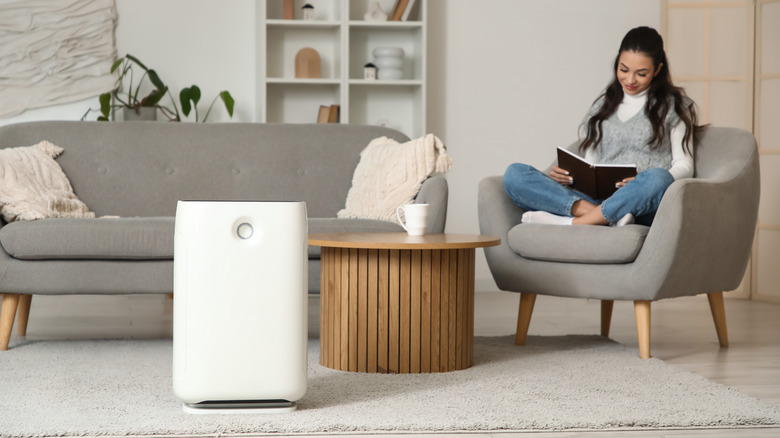
Dust isn't an unwanted guest you can simply shoo away at your convenience. It's a permanent resident that may have been in your home longer than your family. This is especially true in older homes that have soaked in harmful dust components over the years. While you can ignore the microscopic particles for the most part, their omnipresence can trigger your allergies or irritate your respiratory system. Fortunately, you can say goodbye to dust with the help of highly-rated tools, like an air purifier. These nifty devices are proven to reduce the amount of PM2.5 (super fine irritants), and several manufacturers claim that their filter can capture over 99% of allergens from your immediate environment.
However, an air purifier alone will not eliminate household dust, regardless of maintenance or filter changes. You must clean your interiors regularly to minimize the presence of dust. Katie Dills, president of The Cleaning Authority, agrees with this assessment. Speaking exclusively with House Digest, she says in her interview, "Using an air purifier is a great way to improve indoor air quality, but it shouldn't replace your regular cleaning routine. For the best results, pair your purifier with consistent cleaning habits." So which chores should be part of your routine, and what long-term habits help keep dust under control? Let's find out.
Regular tasks that help reduce dust in your home
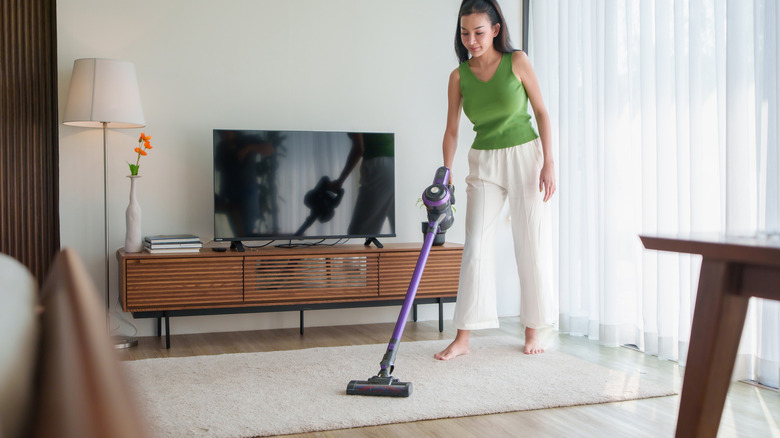
Vacuuming is one of the most important regular tasks, Katie Dills advises in her exclusive interview with House Digest. Explaining the rationale behind this, she shares, "Dirt, pet hair, and everyday debris quickly accumulate on your floors. As people walk through your home, that buildup gets stirred into the air and can settle onto other surfaces. Staying on top of vacuuming helps prevent this from spreading and keeps dust under control."
Bedrooms should be vacuumed weekly, while high-traffic areas like living rooms and kitchens may need attention two to three times a week. There are also a few things in your house you should be cleaning every day, such as your kitchen floors, to control the growth of pests that thrive on crumbs. Moreover, make it a point to vacuum dust-absorbent items, like rugs or carpets, every week. But dial up the frequency if you live in a dusty environment, have construction going on nearby, or have pets at home.
Dills also recommends grooming pets regularly. She continues, "Pets that spend time outdoors tend to collect pollen, dirt, and other debris that can be carried inside. Wiping their paws when they come through the door helps, but regular bathing or professional grooming goes a long way in keeping excess dust out of your home." This won't just limit the spread of dust but is also the secret to keeping your bedding fresh and clean.
Long-term maintenance habits that help reduce household dust
Besides vacuuming high-traffic areas regularly and taking care of your pets' hygiene, Dills suggests a few other long-term maintenance tasks to keep the pesky allergens out of your home. For starters, she recommends you change your HVAC's air filter every few months, depending on the quality of air in your home. Detailing how it'll help you minimize dust buildup, she reveals in her House Digest exclusive, "Dust that builds up in your HVAC system will keep circulating through your home if the filter isn't doing its job. That's why replacing your filter on a consistent schedule is essential." Wondering how often you should get to them? Our expert says, "Replace your air filter according to the guidelines on the filter's packaging. If you have pets, live in a dusty environment, or are in a particularly dry season, you'll likely need to check and change your filter more frequently."
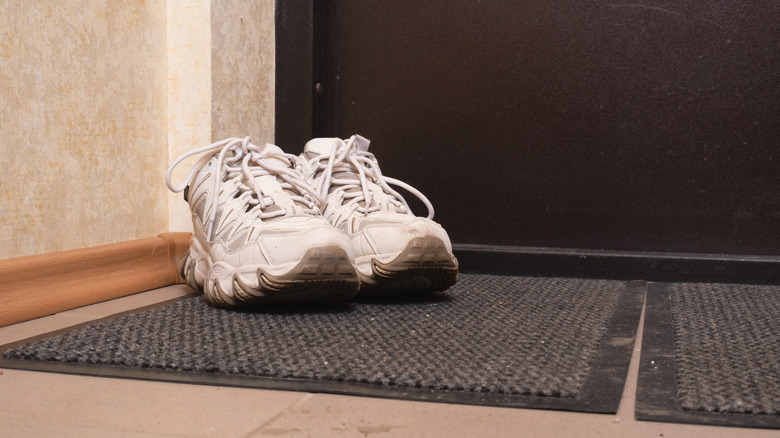
Moreover, "Placing doormats or rugs at every entry point is an easy way to cut down on the dirt that gets tracked indoors by shoes or pets. When you take off your shoes, brush any loose debris onto the mat, and be sure to clean your pet's paws when they come inside," proposes Dills. Choose mats designed to handle heavy foot traffic and outdoor conditions without wearing down quickly. Dills also recommends adopting a no-shoes policy indoors, which can further reduce the amount of dirt and dust tracked inside.