

Make Sure You Know This Important Location In Your Home This Winter. It Can Save You A Plumbing Bill
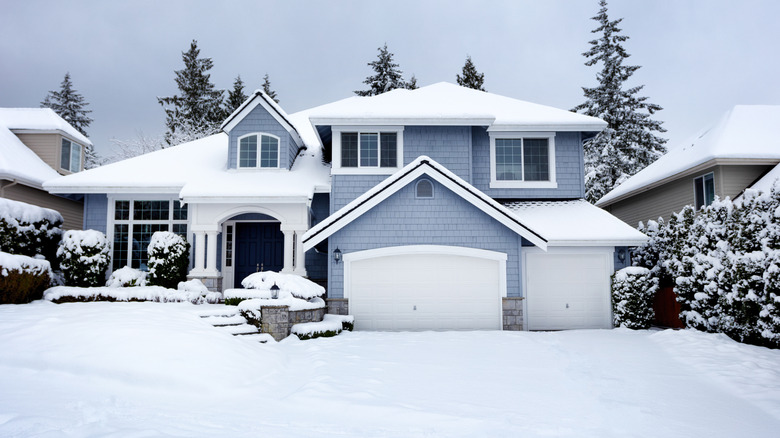
Extremely cold winter temperatures can spell disaster for your wallet if your pipes freeze and burst, leading to estimated plumbing repair costs of up to $5,000. But the costs don't end there; The average insurance claim for water damage after a burst pipe is between $10,000 and $15,000. In the event of an emergency, it's important to understand what to do if your pipes freeze and burst, so you can act quickly and minimize the damage. There's one important piece of information you should know ahead of time: the location of your home's main water shut-off valve.
Your main shut-off valve controls all the water coming into your home and differs from the valves for individual fixtures and appliances, such as toilets, sinks, and the water heater. Finding your shut-off valve can be tricky because it's often installed in a few different spots. The most common locations are in the basement or crawlspace, near the water heater, located on an exterior wall, or buried in the yard. Ensuring that you can easily access your shut-off valve if your pipes burst can help you reduce the impacts of flooding and major damage to your home this winter.
How to find the main shut off valve for your home
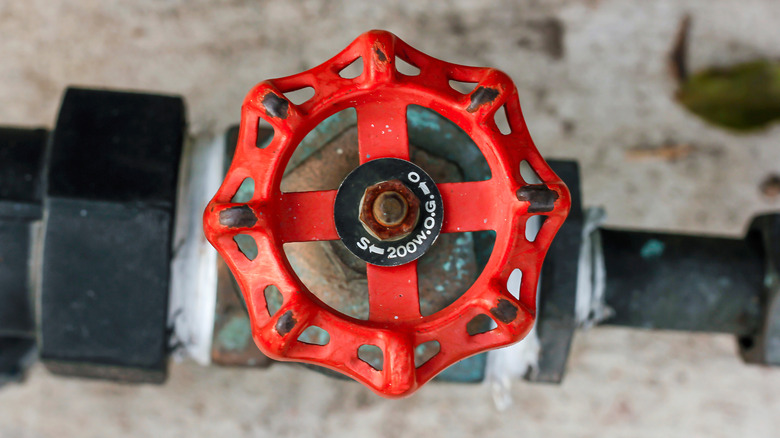
Before you find yourself in an emergency situation, take the time to locate your shut-off valve and show others in your household where it's located. If your home has a basement, odds are your main shut-off valve is there. Check where the main water line enters your home, as shut-offs are often installed in the same area. Shut-off valves are also frequently run through crawlspaces, so that's a logical place to look.
Homes built on a concrete slab often have the shut-off valve near the water heater, in the garage, or under the kitchen sink. Some shut-off valves are buried in the yard, so you can look for an access panel near the street or sidewalk. You should be able to lift the panel off to access the shut-off valve. For those living in regions that don't typically experience freezing temperatures, your shut-off valve may be installed on an exterior wall. In this case, you can normally locate it near an outdoor faucet.
It's a good idea to regularly check the shut-off valve to ensure it isn't corroded, broken, or otherwise damaged, so you can easily turn it off if needed. If you notice any damage to the valve or have issues turning it off, replace your water shut-off valve immediately. While you hopefully won't find yourself in an emergency situation, knowing the location of your shut-off valve ensures you're able to quickly cut off the water supply to your home, plan your next steps, and reduce the cost of plumbing repairs and water damage.