

The Secret To Avoiding This Common Toilet Clog May Be Down To Your Drain
Over the past century, building codes in the United States have improved the safety and performance of residential structures. However, it's important to remember that even if your home is built to code, you could still experience problems with critical infrastructure like mechanical and electrical systems. After all, building codes are just minimum standards, and they don't always ensure optimal performance. One example of how this can play out is in your bathroom plumbing. A bathroom design mistake to avoid at all costs is placing your toilet too far from the vent stack. Even if your plumbing meets other code requirements, experts recommend placing toilets within about 6 feet of the vertical soil stack to prevent recurring clogs.
Plumbing can get confusing, even for skilled DIYers, which is why many homeowners leave these challenges to a licensed plumber. But if you're remodeling your bathroom, one of the questions to ask before hiring a plumber is where you can place your toilet before finalizing the layout. Plumbing relies on gravity and momentum to move solid waste, so the closer your toilet plumbing line is to the vertical stack, the less chance you'll have of experiencing troublesome clogs. All horizontal runs have to be sloped according to code, but the longer they are, the more likely it is for solid waste to slow down. Even when other plumbing requirements such as pipe size and materials are met, long sloped, horizontal runs that comply with code may create problems.
Learn how to avoid this plumbing mistake and prevent clogged toilets
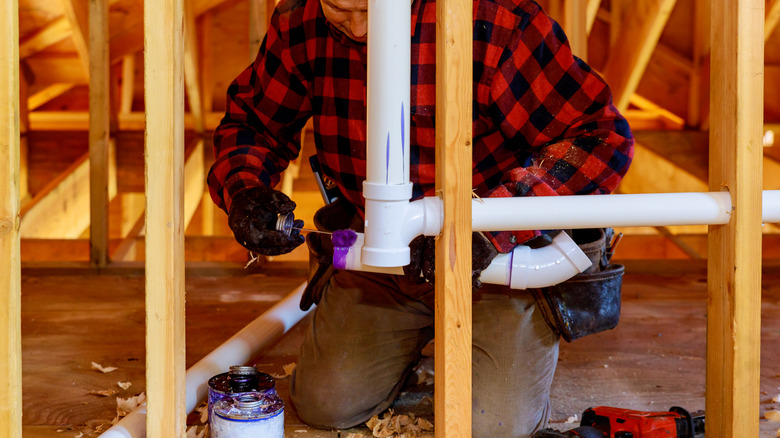
While installing toilets within 6 feet of a vertical soil stack is good advice, many homeowners may not know exactly what that means. The vertical soil stack is the main drain and vent line that carries waste from the toilet. It connects to the horizontal run that eventually leaves the home, and leads to a septic system or municipal sewer system. Even if you live on a flat property in a one-story home, your plumbing system includes a vertical stack that runs through the roof.
In most homes, the same vertical pipe that your toilet connects to also goes up through the roof as a vent stack so that air can be pulled into the plumbing system. The closer your toilet is to this vertical stack, where water flows out as air comes in, the shorter the drain run is beneath your floor, and the lower your risk of clogs. Finding the vertical stack is critical when you're remodeling and want to change the location of the plumbing fixtures in your bathroom. Usually, the vertical stack that also vents out through the roof is located in the wall right behind or very near the toilet. You can get a clue about its location by going up onto the roof to find where it is. While you're there, double check to make sure it's not blocked by debris, snow, or nesting materials — another common reason for toilet clogs.