

10 Berry Bushes You Can Start From Cuttings In Winter
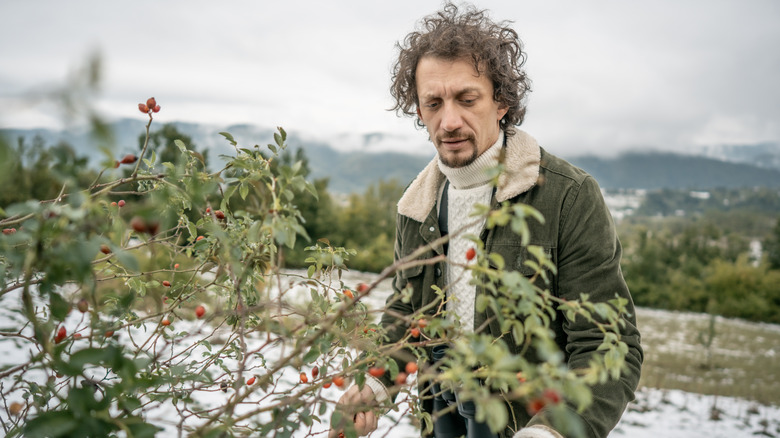
Winter is a great time to uncover the latent potential in your garden. While many flowering and fruiting plants are taking their seasonal rest, it's not only an ideal time to plan spring growth but to actively get it started. This is especially true when it comes to berry bushes: blueberries, currants, raspberries, and other varieties are plants you can propagate from cuttings in winter.
Starting a berry bush from cuttings in the winter involves snipping off a hardwood or semi-hardwood branch, then removing any leaves before storing the cuttings or planting them right away. This type of propagation helps keep the new plant similar to the original one in less time than it would take to develop the plants from seeds. However, growing a new bush this way still takes some patience in its own right. Bushes typically need to be at least a year old, and cuttings may require refrigeration through winter to meet chilling requirements.
Using hardwood increases the chances your new plant's roots will develop properly, but you can ensure success by taking your cuttings from parts of the plant that flourished during its growing season. It may also help to apply rooting hormone to the plant pieces before settling them into the growing medium they're suited for. It's good practice to make sure you plant the cutting in a well-draining growing medium like a potting mix with organic elements once it's ready, and keep the soil consistently moist during rooting.
Blueberry
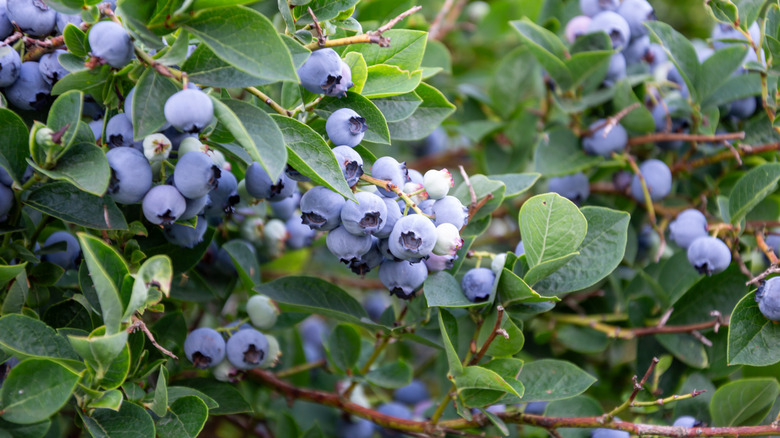
Blueberries (Vaccinium corymbosum) are perennial bushes grown for their lush summer fruit. The most common way to start them from cuttings is to use segments of pliable semi-hardwood. Take cuttings during winter dormancy and store them in peat moss in a refrigerator until spring, when they can be rooted in a sandy growing mix. Blueberries grow in USDA Hardiness Zones 3 through 8 and prefer acidic soil with a low pH. Healthy blueberry plants can remain productive for several decades.
Blackcurrant
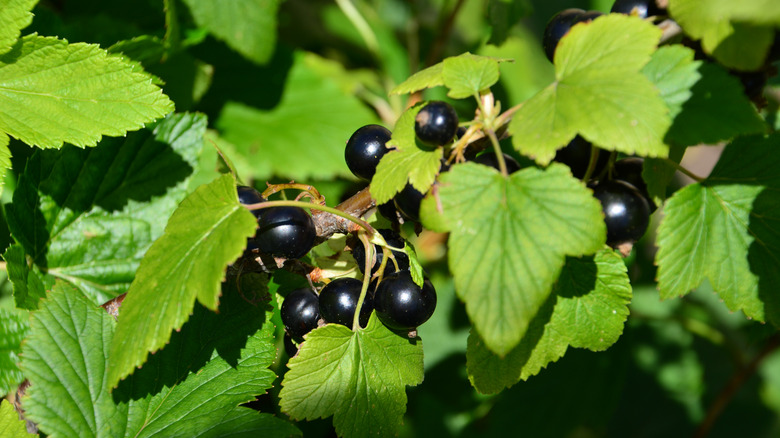
For gardeners new to propagation by cutting, the easy-to-grow blackcurrant (Ribes nigrum) bush can be a good starting point. But before you plant blackcurrant or its relative, gooseberry, check local regulations; some states, including several in New England, have placed restrictions on owning or transporting the plants since they can spread white pine tree blister rust. Bundle 6- to 8-inch segments together and store them in a box filled with vermiculite until springtime. Another method, if your bushes are two or three years old, is to cut root pieces off and store them in a soilless medium.
Gooseberry
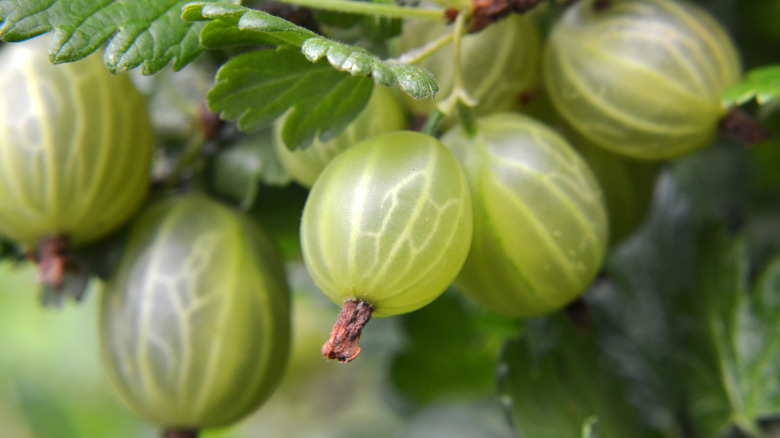
Cold climates are great for growing gooseberry (Ribes grossularia) bushes. The 3- to 5-foot bushes yield tart light green, yellow, or pink berries that are often made into jam or jelly. Root pieces or 6- to 8-inch stem cuttings can be taken in winter and stored in a cold space until planting. Check regulations in your state before adding gooseberries to your garden, since they are subject to the same regulations as their relative, currants, to protect trees from white pine blister rust. North Carolina currently maintains a ban on both plants.
Raspberry
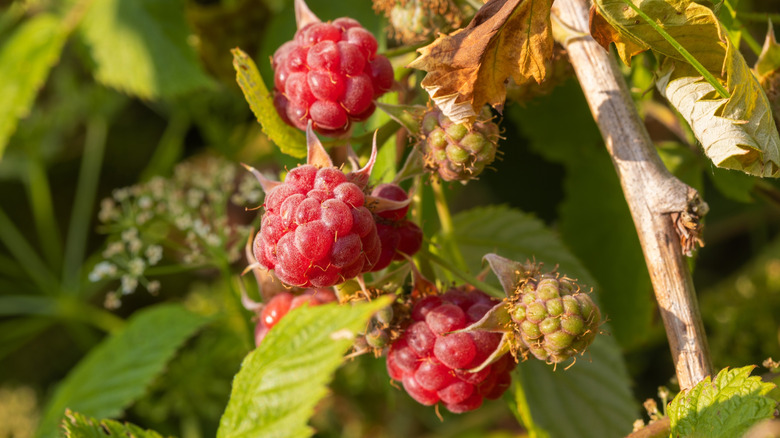
You can start a whole new raspberry (Rubus idaeus) plant with the cuttings left over from pruning the bushes during their winter dormancy. Wearing gloves helps protect your hands from the plant's thin thorns during pruning. Take any remaining leaves off the branches you remove during this clean-up, scratch the bottom of the branches with the pruner you used to cut them, and plant them in trays packed densely with potting mix. Transplant these cuttings into a larger container or the garden when the spring weather arrives.
Blackberry
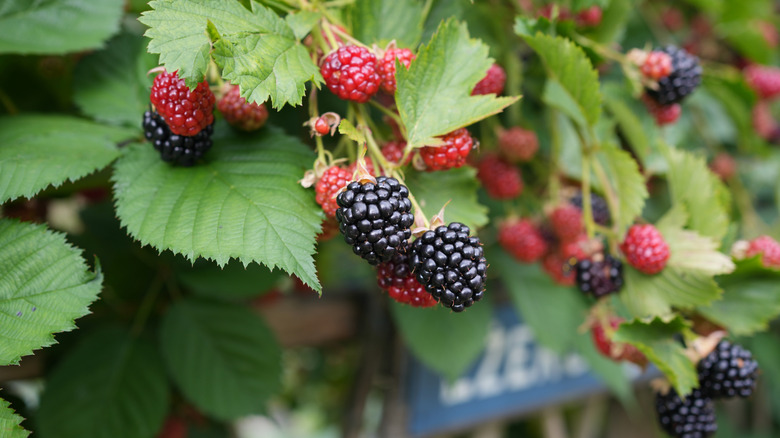
Blackberry bushes (Rubus fruticosus) are dormant in the winter, making it the best time to take some cuttings to propagate. Many blackberry varieties don't bear fruit until their second year of growth, but the delicious, juicy berries are worth the wait. The process simply involves cutting stems off the plant, removing any leaves, and planting them in a potting mix. To remember which side of the cutting is pointing up, you can make a diagonal cut on the bottom of the stem before you plant it. Blackberries generally grow best outdoors in USDA Hardiness Zones 5 through 9.
Elderberry
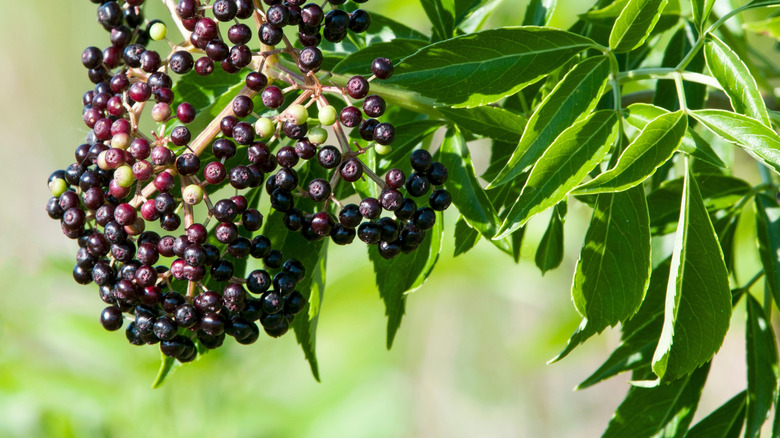
With elderberry (Sambucus canadensis), you can look forward to growing endless produce from cuttings in USDA zones 4 through 8. The bushy plant, which is one of the easiest for beginners to propagate, is known for dark purple berries enjoyed by people and wildlife alike. To get a new bush started, take 6-inch segments from one of its canes and either plant them in potting soil or refrigerate and store them for spring planting. It's best to work with cuttings that have between two and four nodes and make sure the rooting soil covers the lower nodes.
Sloe
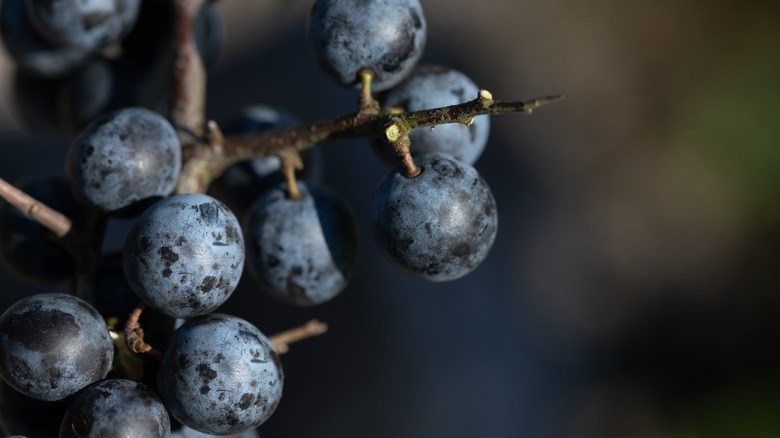
Sloe (Prunus spinosa), also called blackthorn, can be grown from cuttings to produce even more of its edible drupes, which are used like berries as ingredients in jellies and alcoholic drinks. The bush thrives in zones 4 through 8, where it prefers full or partial sun. To propagate sloe in the winter, cut off 8-inch branches, as well as any leaves still attached, and stick them into a pot of soil where they can put down roots. When fruits develop on the new plant, wait until the autumn, when they turn purplish-black, to pick them.
Beautyberry
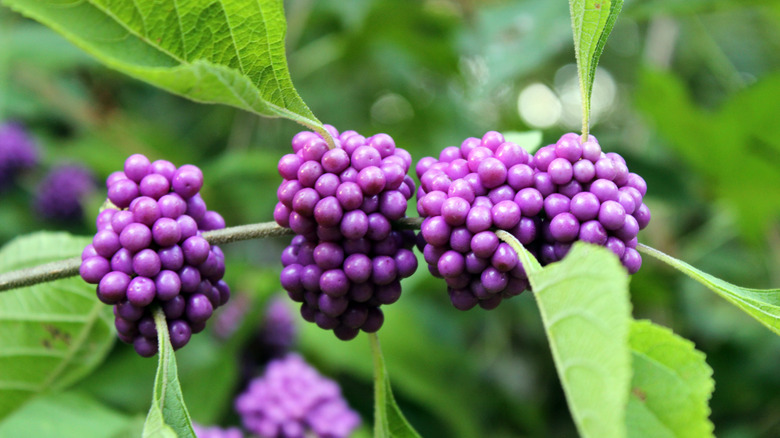
While its fruit is not generally a snack for humans, beautyberry (Callicarpa americana) is a berry-bearing plant that can attract birds to your garden. In the winter, cut off 5- to 8-inch pieces of hardwood from the bushes, then dip them in rooting hormone and plant them in the rooting medium of your choice (some gardeners have had success with potting soil that contains lots of peat moss or coconut coir). Once the cuttings are planted, keep their soil moist but don't let it get waterlogged, either outdoors or indoors, depending on your climate.
Red currant
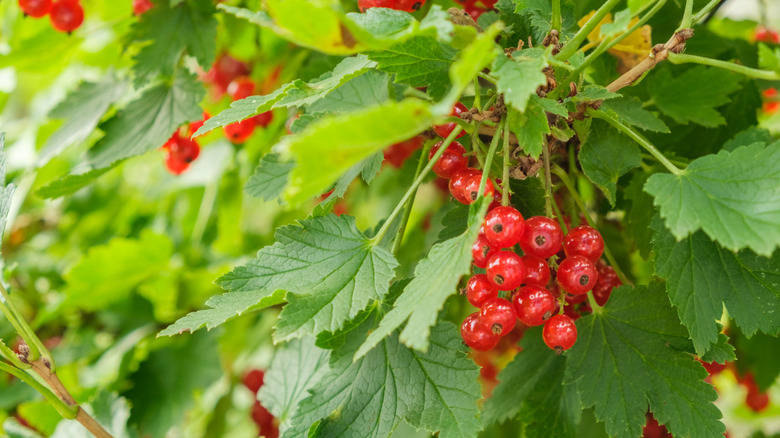
Red currant (Ribes rubrum) bushes grow successfully from hardwood cuttings taken in the winter, similar to gooseberries and blackcurrants. These plants are also subject to growing restrictions in some states. For example, Massachusetts requires a permit to grow red currants. Cut off some branches that grew in the previous season. You can refrigerate the cuttings over the winter or, if you have a greenhouse or are in a warm climate, plant them in a light potting mix, like one made of perlite and compost, making sure a few growth nodes are covered with the soil.
Coralberry
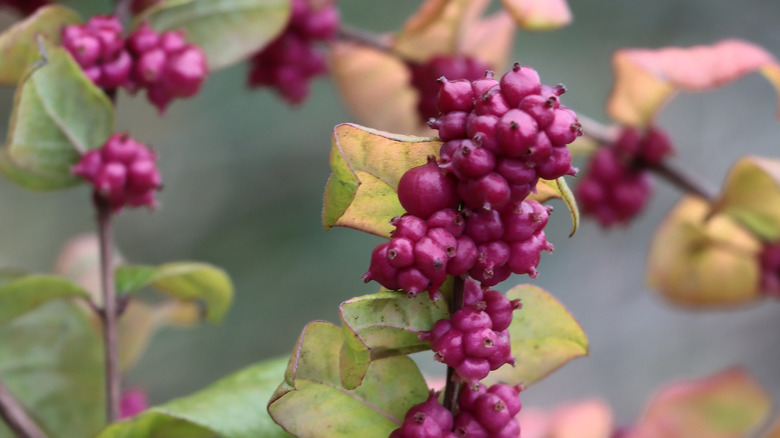
If you prefer having berry bushes for ornamental reasons, and to feed birds and other wildlife in your garden, you may be growing coralberry (Symphoricarpos orbiculatus). Get more of this plant, which bears red berries that brighten up winter days in zones 3 through 9, by growing it from cuttings. Take semi-hardwood branches that grew in the current year and store them in perlite or plant them directly in potting mix.