

Your Living Room Needs Extra Cleaning Attention In Winter: Here's Why
We may receive a commission on purchases made from links.
When the temperature drops, you know the drill — break out the sweaters and snow shovels, crank up the heat, and... start cleaning the living room? Look, we're as bummed as you are to add another chore to the to-do list, especially during a season where you could be out enjoying some winter sports or cozied up inside with a mug of hot chocolate. But during winter, the high-touch items in your living room need a little extra cleaning attention.
Of course, it's a good idea to keep frequently-touched items like knobs and handles, TV remotes, light switches, rugs, cushions, pillows, and personal electronics clean no matter the season. But during winter, there's less air circulating through the home, thanks in part to windows being sealed tightly to keep out the cold. Air quality dips. Meanwhile, people tend to stay indoors more than they do during warmer months, meaning fingers are touching more things more often — right at the height of cold and flu seasons. Frequently disinfecting and dusting your high-touch items are small changes that can keep allergies at bay during winter, as well as stave off seasonal illness, improve air quality, and keep your place cleaner as you stare down a long and cold winter.
Living room items that need extra attention in the winter

There are more high-touch elements to clean in your living room than you might realize. For one, there's the little spots that get fingertips all over them, like light and lamp switches, thermostat buttons, and any kind of controllers or door or drawer knobs. You might also have a family tablet, game console, or musical instrument in your living room, or fireplace tools that need cleaning.
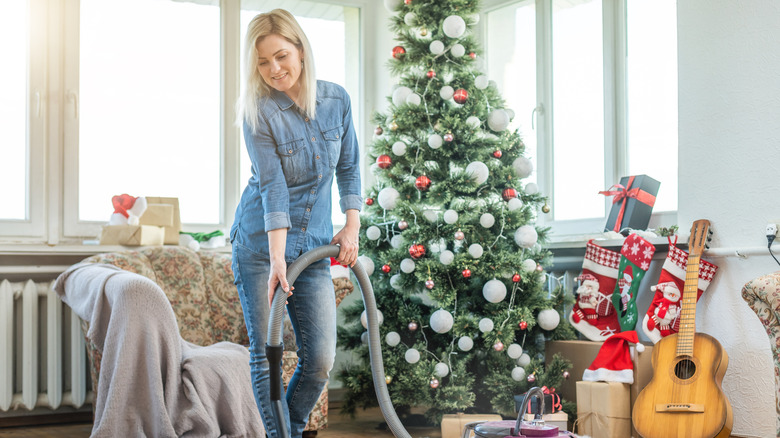
There are also other areas of the living room that don't necessarily get touched by fingertips frequently, but need more cleaning during the winter. These include rugs, couch cushions, ceiling fans, pillows, and throw blankets. Items made of fabric are especially susceptible to dust settling into their fibers. During the chilly months, dust collects more frequently thanks to the closed windows, continuously running heat, and other factors like smoke from a fireplace or candles. Plus, skin tends to be drier for both people and pets in the winter, and shedding dead skin flakes contributes to the dust. Getting rid of that grime makes it easier to breathe and enjoy your living room even on the dreariest winter days.
Keeping high-touch items clean during the winter
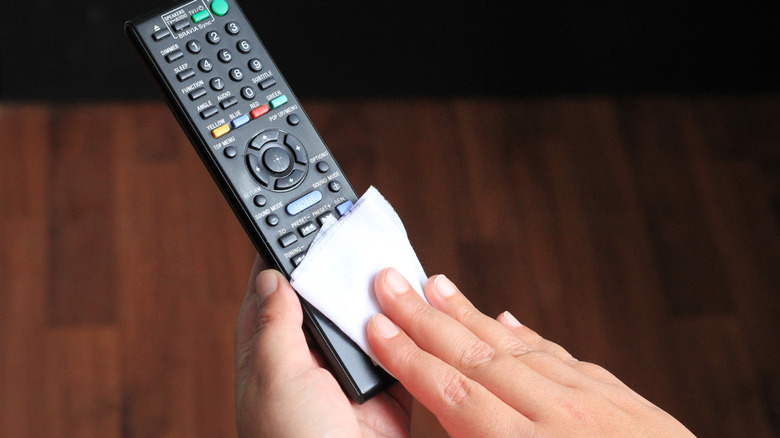
Cleaning high-touch items is one winter cleaning task too many people overlook, but the good news is that it's never too late to start. To maximize cleanliness, it's first important to recognize the difference between cleaning and disinfecting. Cleaning high-touch surfaces removes dust and grime. It's a good solution for minimizing winter allergies and improving air quality. For small hard surfaces like a remote or a light switch, you can simply run a damp microfiber cloth over them. For more fibrous materials like a rug or couch cushions, you'll want to use a vacuum with a HEPA filter to improve air quality.
In addition to cleaning, you'll also want to disinfect the hard surfaces of high-touch items, ridding them of the harmful germs that can linger and contribute to seasonal illnesses. Become familiar with the household cleaners you can use to disinfect your TV remote and other household items, always using EPA-registered disinfectants to ensure you're getting rid of viruses and bacteria. These include common household products like Lysol disinfectant spray and Clorox plant-based disinfecting wipes. When in doubt, you can check the label for an EPA registration number listed as its "EPA Reg. No." followed by a string of numbers. If it's registered, you'll see that number, as well as the types of pathogens it can kill. When you use these products, follow manufacturer instructions for the best results. Experts recommend cleaning and disinfecting high-touch surfaces at least once a week during winter, as well as after guests come over, to maintain optimal cleanliness and health throughout the coldest season.