

The Material Combination That'll Add Instant Character To Your Kitchen
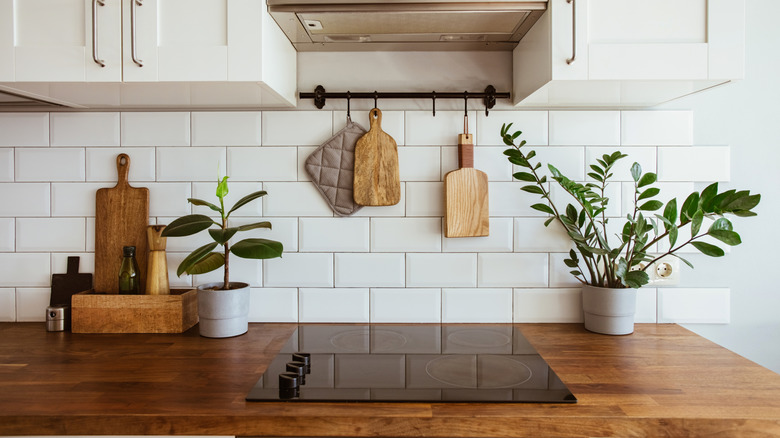
Concrete and wood bring a kitchen to life by putting what's typically thought of as a cold, industrial surface right next to a warm, natural one. This pairing works because of the obvious difference between the flat, stony look of a cement pour and the tactile, varying grain of real timber. Some people find that modern kitchens can feel a bit cold and sterile like a hospital, but these two materials complement each other to make the room feel like home. Concrete gives the space some weight and a solid foundation, while wood makes it feel more inviting.
How to nail the mixed material kitchen trend often comes down to playing with textures in a way that you just can't do with laminate or plastic-coated cabinets. The result is a kitchen that looks solid and well built, and it actually gets more character as it picks up a few scratches and signs of wear over the years. This combination has some practical benefits for long-term use, such as concrete's high heat resistance when installed near stoves, and wood's ability to act as a natural insulator, keeping surfaces like breakfast bars or seating areas at a more comfortable temperature than cold stone. Unlike tile or stone slabs that typically come in predetermined measurements, these materials can be custom poured or cut in just the right thickness and seamlessly integrated into the room as useful yet stylish features.
Why concrete and wood work together in kitchen design
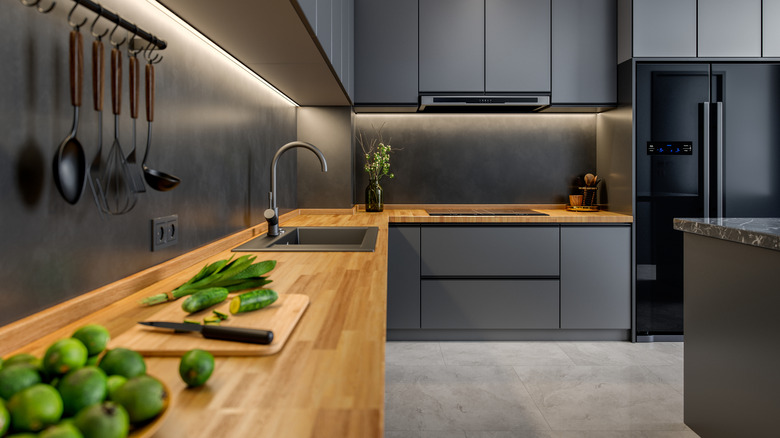
Concrete and wood get along well because they balance out each other's physical traits. Concrete is a dense, heavy material that feels permanent and strong. It's an excellent choice for a big island or the floors because it creates a single, solid look that holds the room together, but a kitchen that's nothing but gray stone can feel a bit harsh. That's where the wood comes in. Timber brings in the elements of an organic modern kitchen by introducing patterns and warm colors that catch the light and break up the look of the flat concrete.
Picking a wood that's either very light or very dark creates a striking contrast that makes the natural grain and knots pop against the slight color changes of the concrete. While medium-toned woods offer a softer or more blended look, these bolder choices make the wood feel like a deliberate design feature. Further, when the same wood tones are used throughout the house, it makes the kitchen feel less like a separate room and more like a natural part of the home's living space.
How to pair different wood species with concrete surfaces
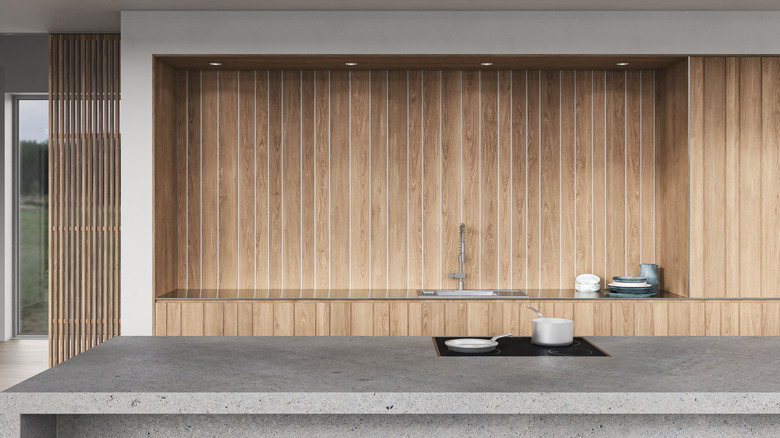
The type of wood you choose for your kitchen will change the whole vibe of the concrete. Light woods like white oak or ash are popular if you want a bright, clean look that feels more modern. These species have light colors that help brighten up the dark gray tones you often see in poured concrete. On the other hand, using rich wood like dark walnut creates a sharp contrast that makes the whole room feel more expensive. These combinations set the tone for rustic kitchen ideas you'll want to steal, since the deep brown tones of the walnut act as an anchor for the space and make the industrial concrete look more polished.
To keep these materials cohesive, try to keep the same wood tones throughout the space so the room doesn't look cluttered. Using a matte sealer on both the wood and the concrete will give them a similar soft glow, which makes the transition between the two surfaces feel more natural and avoids one material from looking too shiny while the other is more subdued. When you match the sheen levels in this way, the industrial and organic elements feel like they were always meant to be part of the same design.