

12 Spring-Blooming Plants That Thrive From A February Prune
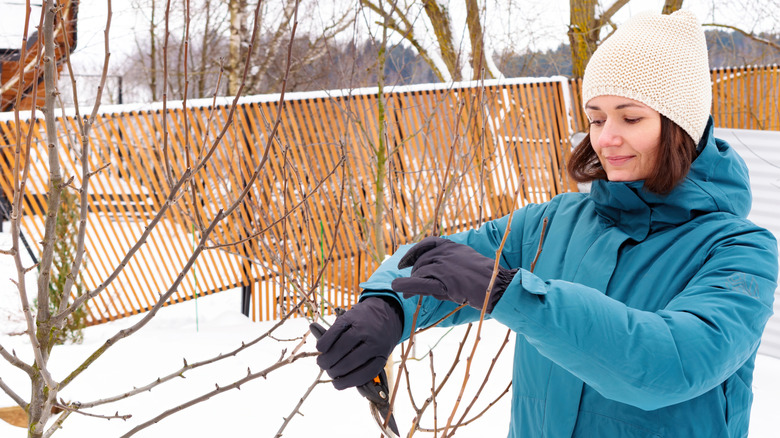
Usually in winter, in places where snow falls and the ground freezes, there aren't too many chores to be done in the garden. Because I work as a professional gardener in the Northeast, my seasonal schedule usually means I'm working outdoors roughly between March and November. However, sometimes I find myself busy with garden-related things in winter (other than flipping through seed catalogs)! There is one task that can be helpful for certain garden plants if done in February: pruning.
The kinds of plants that benefit from February pruning include different categories: perennials, fruit trees, vines, and shrubs. Some spring-blooming perennials that form new growth in spring should be pruned as new growth emerges, usually in March or April. But there are others that bloom earlier, like hellebores (Helleborus), that can be pruned in late winter. Removing the old growth provides room for the blooms that appear continuously through the spring.
If you're unsure of whether your plants should be pruned in February or not, be sure to do a bit of research for your specific variety. Some cultivars within one species may have varying characteristics, such as azaleas, which may have different blooming times, or raspberries, which may have different ripening times. Always look for the most specific information you can, and choose legitimate sources such as university websites, professional gardening shops and blogs, or your local Cooperative Extension.
Panicle hydrangeas
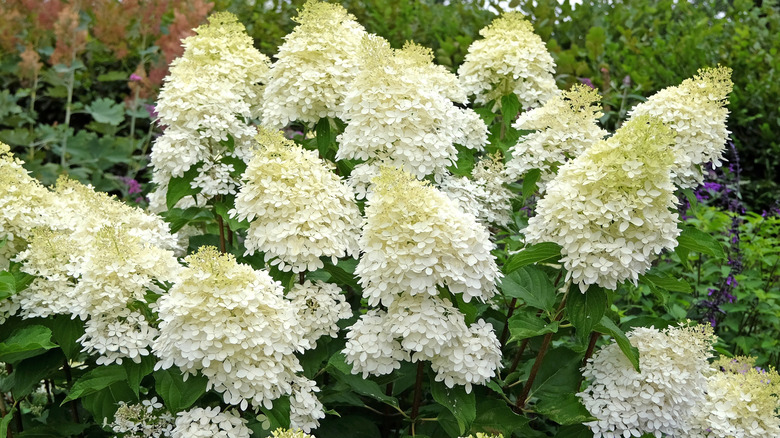
Panicle hydrangeas (Hydrangea paniculata) are long-blooming shrubs that bloom on new wood, meaning they form buds on fresh spring growth. Pruning in February gives them a fresh start for spring. Also, choosing this timing for pruning means you can leave the dried blooms on the shrubs for winter interest (and food for birds) and trim them off before the spring buds come in. These robust bloomers really like a good prune, so shape them in late winter to keep them full and lush for spring, summer, and fall.
Apple trees
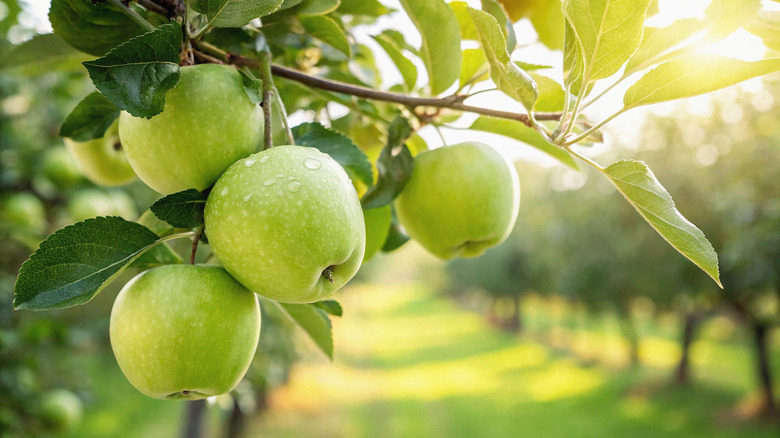
An orchardist friend of mine once told me two "rules" for pruning apple trees (Malus spp.). First: prune branches thinner than your finger at any time of year. Second: branches thicker than your finger should be pruned in late winter (February). This bit of folklore is very wise. Thicker branches on apple trees should be pruned when the tree goes dormant in winter, after the tree winds down fruit production in autumn. This timing helps prevent stress or damage to the exposed cut wood and gives it time to heal before spring growth emerges.
Smooth hydrangeas
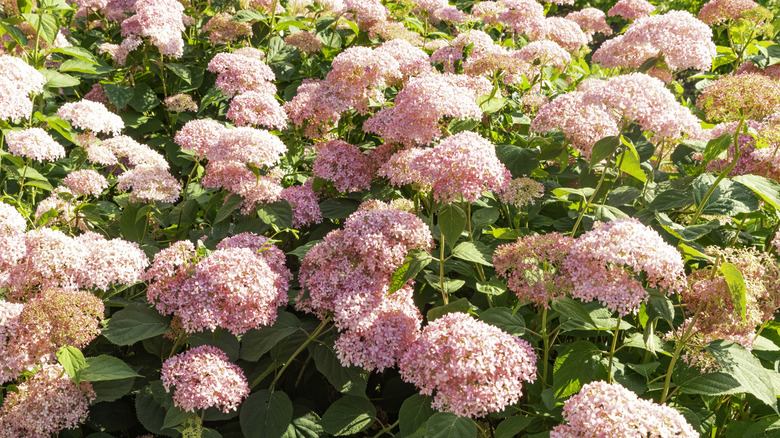
There are a number of gorgeous hydrangea varieties that bloom on new wood and benefit from late winter pruning, including all the smooth hydrangeas (Hydrangea arborescens). These types have full, ball-shaped clumps full of tiny flowers that glow with color from late spring through late summer and beyond. There are many creamy white flowered varieties, and also some cultivars with blush pink or lavender pink flowers, like "Mini Mauvette" or "Invincibelle Ruby." This type also spreads from the base by sprouting suckers, which can also be cut back in February.
Roses
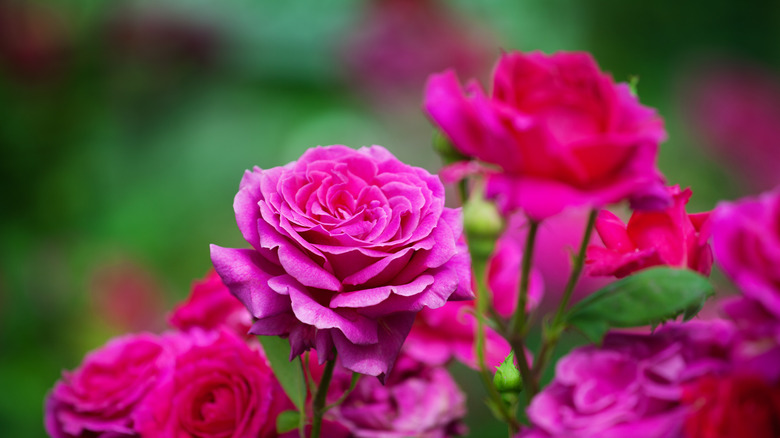
Growing roses (Rosa spp.) can be challenging, depending on the variety, but many gardeners grow hardy shrub roses or climbing roses because they're relatively low maintenance. These varieties of rose benefit from consistent pruning. It's good to prune them back in February before new spring growth occurs. You should cut back any dead canes at this time, and also shape the rose bush to control its size and spread. Late winter pruning helps prevent diseases from spreading and encourages healthy new buds.
Pear trees
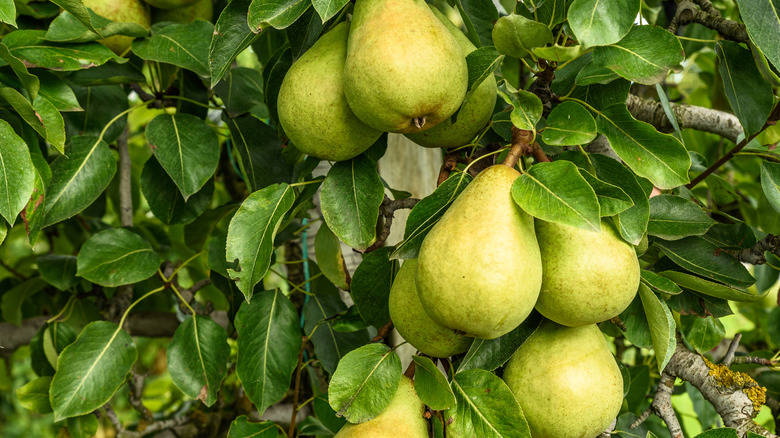
The guidelines for pruning pear trees (Pyrus spp.) are generally similar to pruning apple trees. Prune small branches at any time, to shape the tree and prevent criss-crossing, and prune larger branches in late winter (February) when the tree has gone dormant. This encourages fresh growth before spring buds start to form. Pruning is good for fruit trees to keep them productive, but it's best not to remove more than one-third of a tree's total branching area in one pruning session.
Japanese anemones
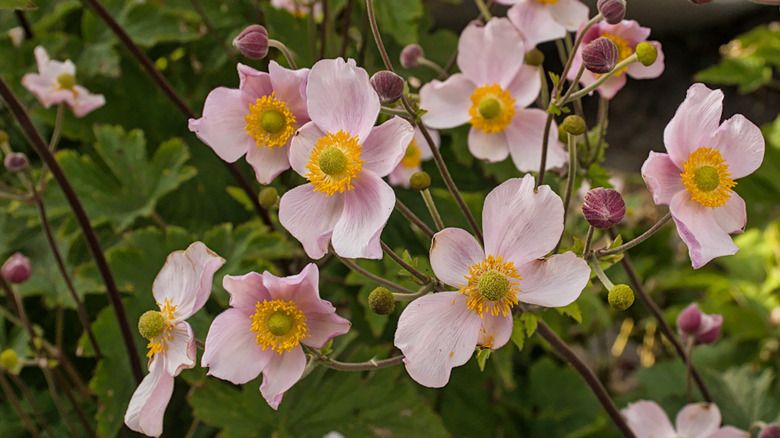
Japanese anenomes (Anemone x hybrida) are late summer blooming perennials that add lovely delicate color to the garden. Some of the older varieties, like Anemone robustissima, tend to spread freely via rhizomes, so cutting back the stems in winter can help keep them under control. February is also a good time to remove any dead leaves at the base of the plant. But if your anemones are still covered in snow in February, the pruning can wait until March or even April, as these flowers wake up fairly late in spring.
Fall bearing raspberries
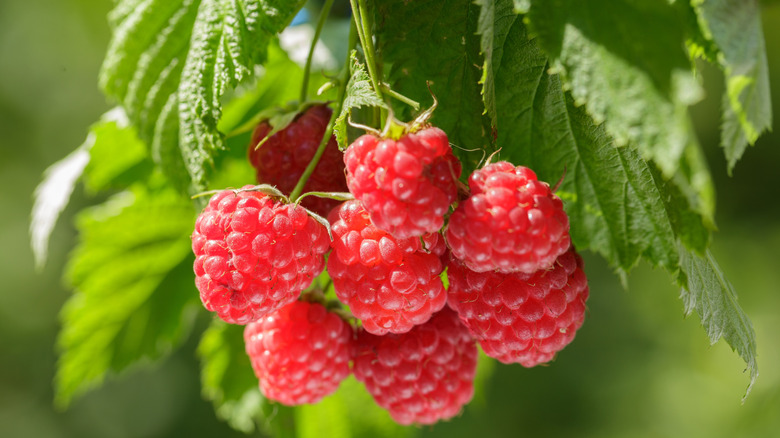
Usually red raspberries (Rubus idaeus) get pruned in the autumn, so that fresh canes will sprout in spring. But late-bearing raspberry varieties (the ones that start fruiting in June and keep going until October, like "Heritage") go dormant a bit later, so it's best to leave the plants alone until late winter. Cut the mature canes back firmly, to one or two feet tall, to encourage fresh, healthy growth and lots of berries in the summer season and well into fall.
Currants
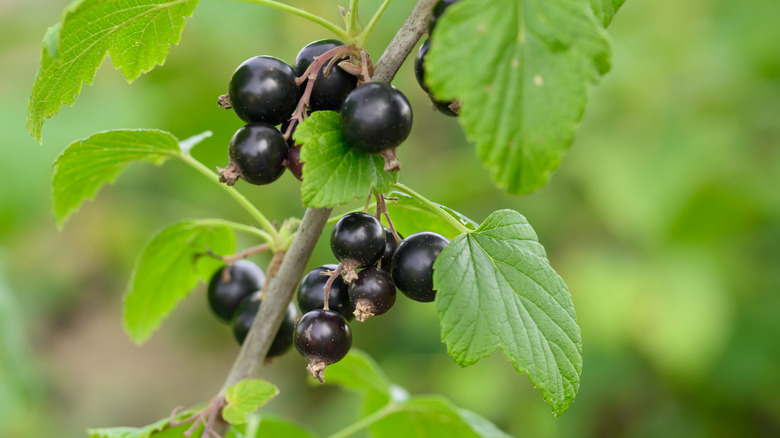
Currants (Ribes spp.) are summer berries that come in three colors: red, black, and white. All three types of currants grow best on canes that are two or three years old, so pruning back the older canes in February encourages fresh, healthy growth and an abundance of berries. You should also remove any dead or damaged canes at this time.
Wisteria
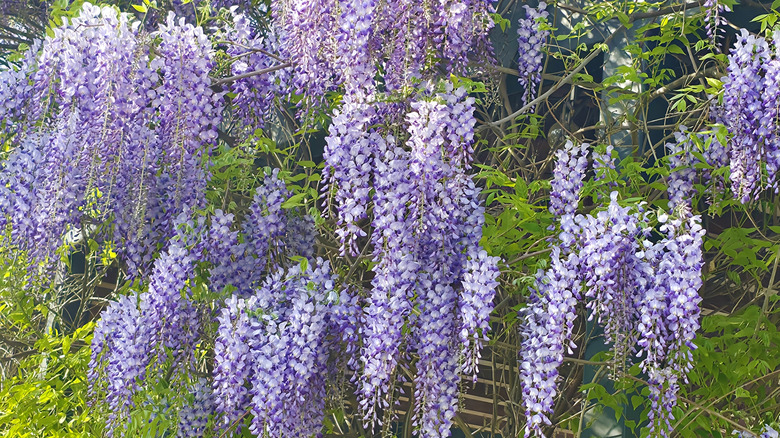
If you have a wisteria vine on your property, you know how important it is to keep it pruned to prevent it from spreading or growing onto structures. Though the Chinese wisteria (Wisteria sinensis) is said to be the most invasive wisteria variety, and the Japanese wisteria (Wisteria floribunda) less so, in my experience, all wisteria vines generally tend to spread robustly. Cutting back the vines in February ensures plenty of fresh flower buds and also helps control size and spread.
Hellebores
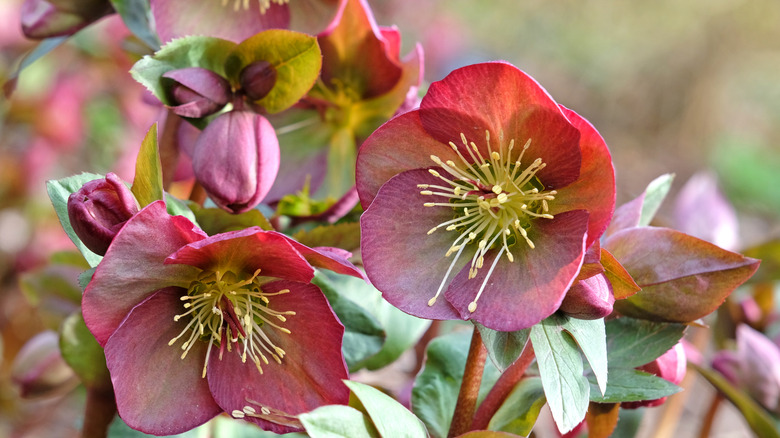
Also known as Lenten rose, hellebores (Helleborus) are early-spring-blooming perennials that come in a wide range of colors, from white to a deep red that looks almost black, and many shades of pink, red, yellow, peach, and even green. Pruning them lightly in February to remove any dead or damaged leaves keeps the plants looking fresh and vibrant for their spring color show. Trim hellebores carefully with small snips or bypass pruners, to avoid accidentally cutting any new leaf growth.
Smokebush
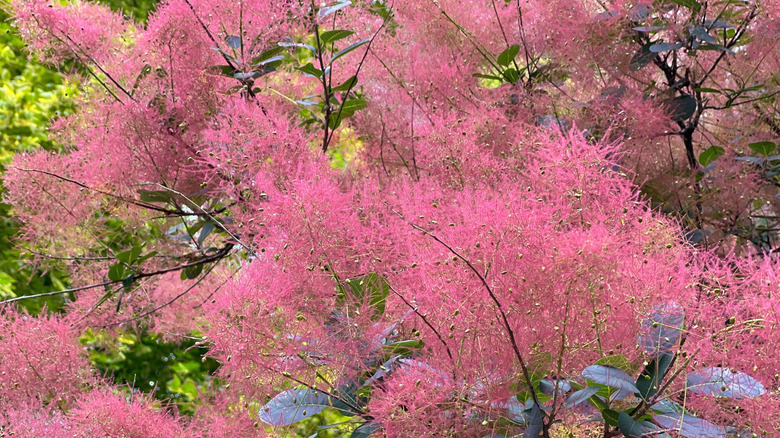
These dramatic plants come in both tree (Cotinus oboyatus) and shrub forms. The fluffy plumes of smoke bush (Cotnus coggygria) that appear in mid spring look like wispy clouds of pink smoke. Like many flowering trees and shrubs, pruning in late winter keeps them neatly shaped and encourages fresh healthy growth. Your smoke bush need not be pruned every year, unless it has damaged branches that need removing, but every other year in February is a good time to gently shape it.
Butterfly bush
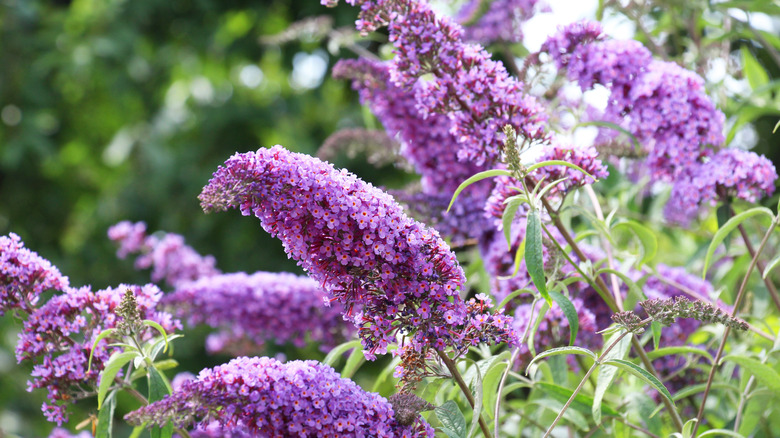
The butterfly bush (Buddleia) is named for its plumes of colorful flowers full of sweet nectar that attract many butterflies, as well as other pollinators. They can get very tall, unless you have newer dwarf hybrid varieties. I usually wait until early spring when new growth starts to appear at the base to cut the branches back to between 1 to 2 feet tall. But in February, when the shrub is dormant, it's a good time to care for your butterfly bush by removing any broken or dead branches that may have been damaged by winter weather.