

13 Plants That Can Survive An Unexpected Freeze
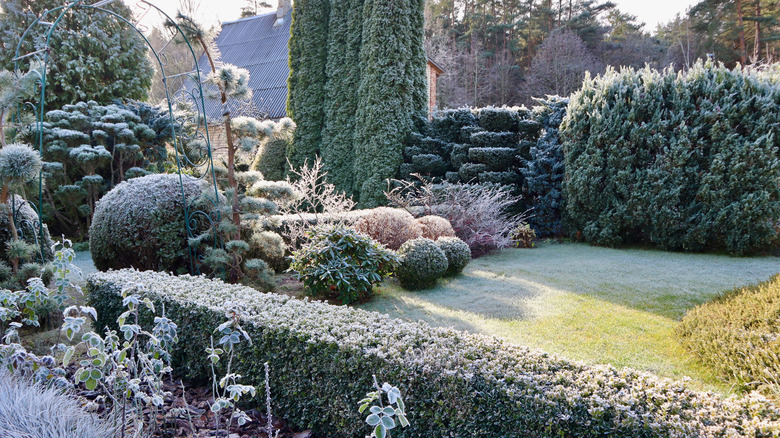
The weather can be unpredictable at times, and that's something gardeners are well aware of. Take, for instance, late winter. As the weather starts to warm, gardeners sometimes plant too soon, before the danger of frost is gone. Tender annuals, unlike perennials that can withstand regional temperature swings, typically only thrive within narrow seasonal windows. A sudden, unexpected frost can take them out. This, however, does not mean that every annual will succumb if frost shows up uninvited. Some hardy plants are quite tolerant of occasional unexpected freezes — for example, vegetables like lettuce, spinach, kale, turnips, and flowers like pansies, alyssum, and snapdragons.
Just keep in mind that no matter how cold-hardy a plant is, it's probably going to be negatively affected if the temperature drops suddenly and deeply. Plus, the longer the unexpected freeze lasts, the more damage it will cause to your plants. If you live in an area where unexpected frosts might be a problem, it is a good idea to protect outdoor plants from frost — alongside choosing the hardiest possible plants to grow in your garden. Fortunately, there are many ways you can do this. For instance, you can mulch the ground around your plants, install row covers over vegetable beds, and plant windbreaks in strategic locations around your backyard.
Lettuce
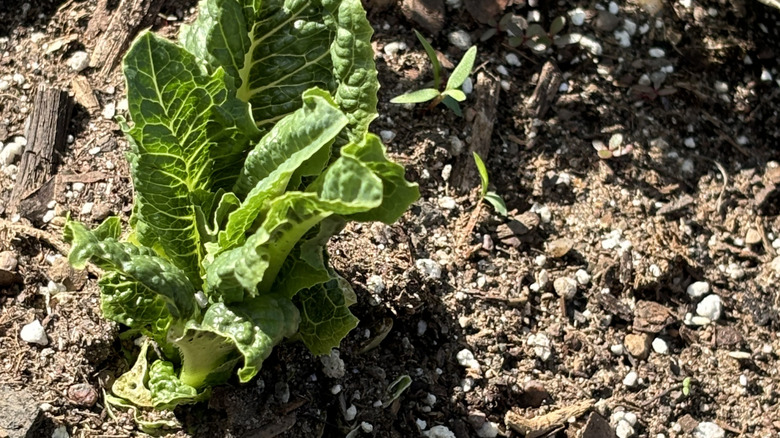
Lettuce (Lactuca sativa) is a cool-season, semi-hardy vegetable crop that grows best in temperatures between 60 and 70 degrees Fahrenheit. However, it can also tolerate light frosts, especially when it is about an inch tall. Just keep in mind that you will still need to protect it against heavy freezes. If it's going to be particularly cold outside, cover your lettuce crop with a plastic or cloth sheet. Or, if you're in a particularly frost-prone area, plant cold-hardy butterhead or romaine lettuce.
Pansies
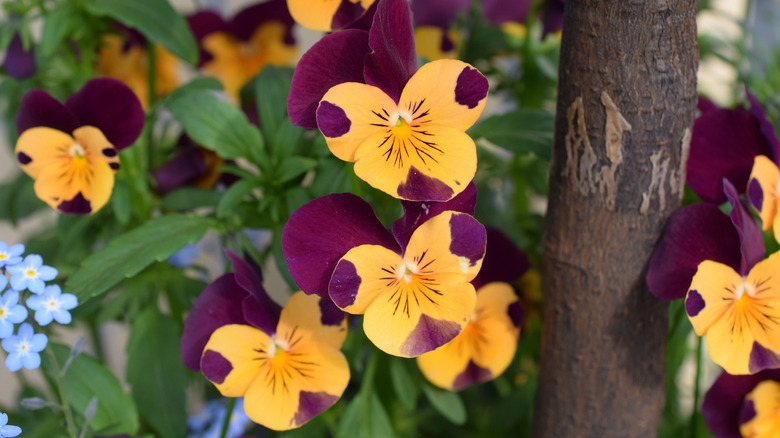
Pansies (Viola × wittrockiana) are enduringly popular garden flowers. They come in many colors and feature a characteristic face on their petals. On top of that, some pansy varieties are sweetly scented. When it comes to surviving sudden unexpected freezes, most pansies can easily tolerate cold temperatures dipping well below freezing. The best part? They don't even need any protection. You only need to take cold safety measures for pansies if the temperatures are predicted to drop below 20 degrees Fahrenheit for quite some time or when the soil is expected to freeze.
Spinach
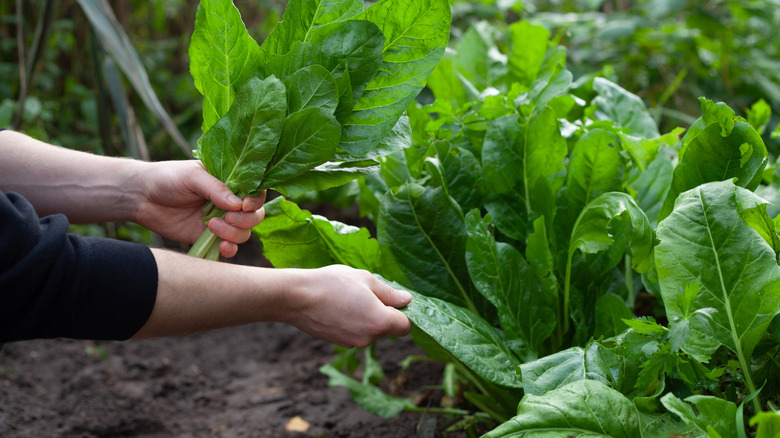
If you've ever watched the old cartoon "Popeye the Sailor Man," you're probably familiar with where his superhuman strength comes from: a can of spinach (Spinacia oleracea). Honestly, it makes sense. Spinach is rich in iron, a number of important vitamins, and lutein. Plus, since it is a cool-season green that can briefly tolerate temperatures down to 20 degrees Fahrenheit, you don't have to worry about an unexpected frost killing your crop. However, if it gets too cold outside, you can always cover the soil with mulch. For extra protection, choose cold-tolerant 'Tyee' or 'Winter Bloomsdale' spinach.
Sweet alyssum
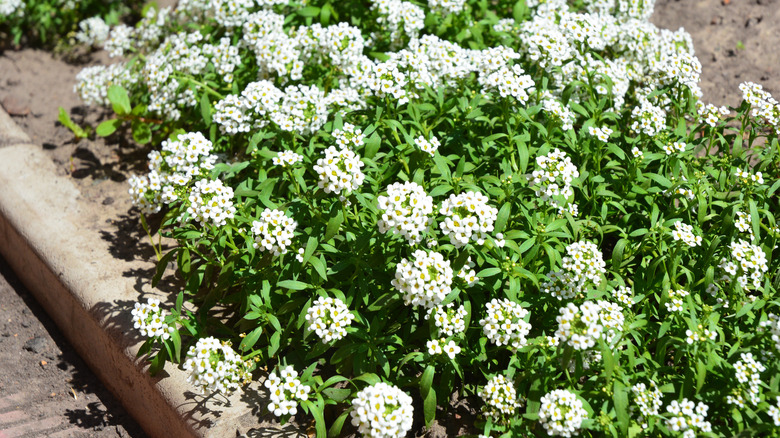
There are many reasons to love sweet alyssum (Lobularia maritima) — abundant flowers, a sweet scent, and an unfussy nature. Did you know that you can crowd out invasive weeds with this fast-growing annual flower? On top of all of this, sweet alyssum tolerates temperatures as low as 28 degrees Fahrenheit. You won't have to worry about unexpected frosts killing your flowering plants. Cultivars like 'Carpet of Snow,' 'Snow Cloth Select,' and 'Golf Pastel Mix' are especially good at tolerating frost. Just keep in mind that it's the foliage that can handle a freeze, not the flowers.
Kale
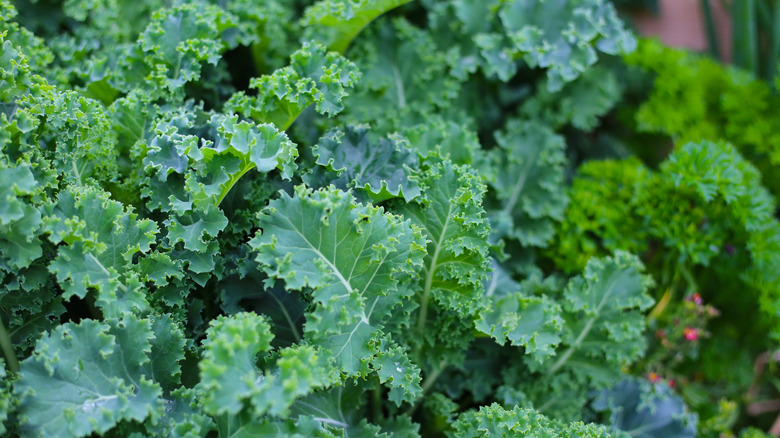
Kale (Brassica oleracea) is another vegetable you can grow without worrying about that sudden freeze in your garden. In fact, it is often recommended to let the kale grow in frost for better-tasting leaves. Nevertheless, when it comes to surviving cold, kale can tolerate temperatures as low as 10 degrees Fahrenheit. Plus, it can produce new leaves in freezing conditions. However, if you want your kale to really thrive, a little bit of frost protection can help. You can prioritize growing cold-hardy kale varieties like 'Toscano,' 'Redbor Hybrid,' and 'Improved Dwarf Siberian,' too.
Snapdragons
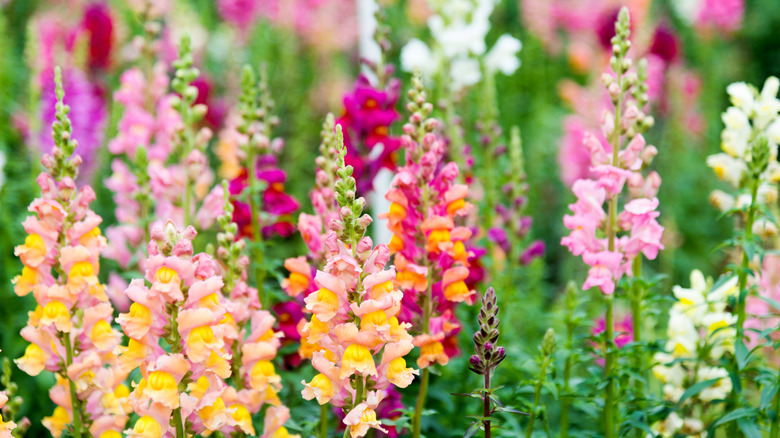
Looking for a plant that can tolerate unexpected frost but is also easy to grow, attracts pollinators, looks really good, and has an amazing scent? Snapdragon (Antirrhinum majus) is the greenery you want. Once snapdragons have settled into your garden bed, a light freeze or even temperatures dipping below zero are rarely a problem. If you add a layer of pine straw, your snapdragons will be able to handle frosts for even longer. Just make sure to keep them well watered for as long as that unexpected freeze lasts.
Turnips
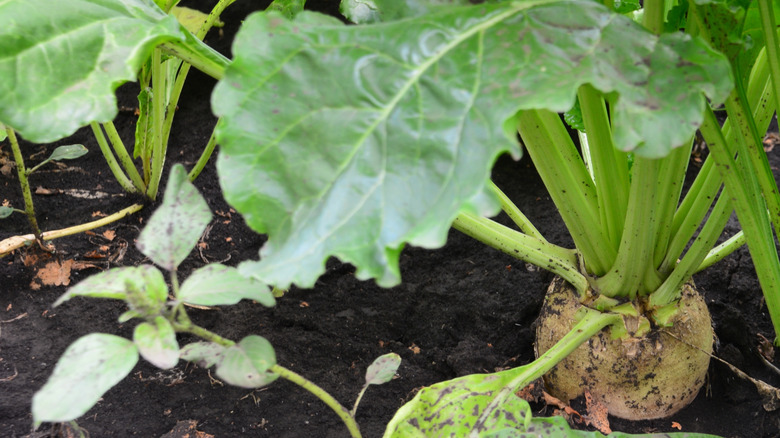
Turnips (Brassica rapa) are one of the oldest vegetable crops. They come in various sizes, shapes, and colors. However, what every turnip variety or cultivar shares is that it is easy to grow and full of nutrition. As for frost tolerance, turnips can easily handle light frosts. Add a bit of mulch to the garden, and you can extend their harvest season. Just keep in mind that even though turnips have moderate water needs, you must keep them well-watered during unexpected frosts. Wet soil handles temperature swings better, keeping your turnips thriving.
Dianthus
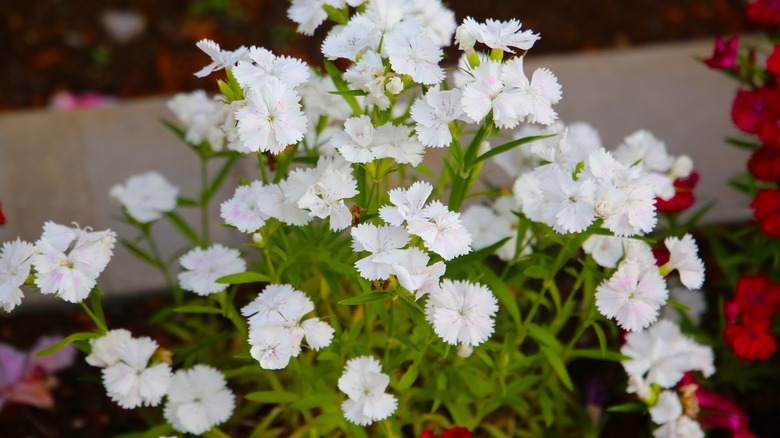
Dianthus (Dianthus spp.) is another semi-hardy flowering annual that tolerates light freezes. The cultivar 'Super Parfait' handles the cold especially well. They come in a range of shades, and there are even bicolored cultivars available, with a central color bordered by another hue. In fact, people often plant dianthus in their gardens for spring interest. However, if you decide to grow dianthus, keep the plants away from wet soil. They also need good air circulation to thrive, so don't mulch them heavily, even if your aim is to protect them from frost.
Broccoli
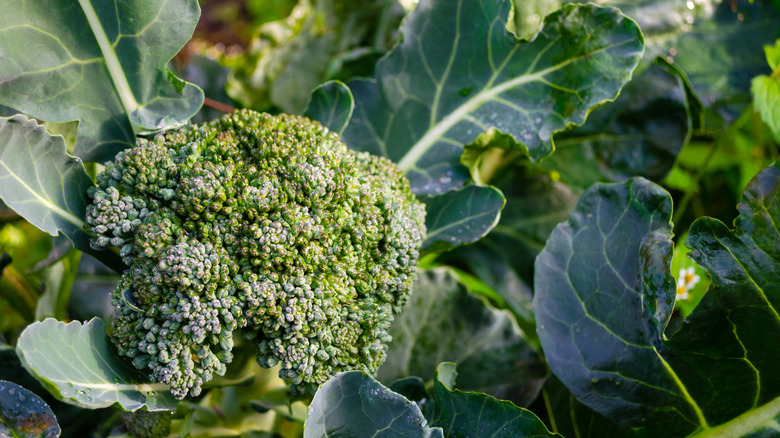
Broccoli (Brassica oleracea) is another cool-season vegetable that you can easily grow in your home garden. For optimal growth, it needs a temperature of around 65 to 75 degrees Fahrenheit. However, established broccoli plants can survive in temperatures as low as 25 degrees Fahrenheit. If you give them a bit of protection, they might be able to survive even lower temperatures. The easiest way to guard broccoli plants against frost and unexpected cold is to tuck them under protective row covers secured firmly to the ground.
English daisies
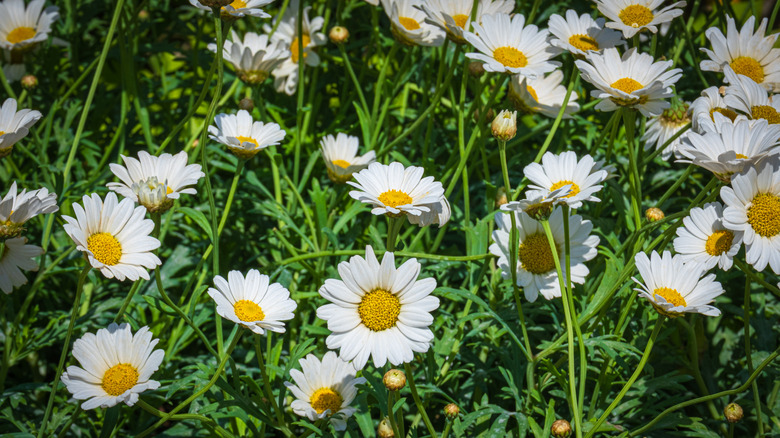
If you were born in April and you are looking for a flower to grow in your garden that can tolerate occasional light freezes, the English daisy (Bellis perennis) should definitely be on your list. It is the birth month flower to plant and grow in your garden for April babies. English daisies boast mesmerizing flowers with yellow centers and brilliant-white petals that symbolize good luck, joy, love, purity, simplicity, and innocence. Just keep in mind that this plant can become weedy if you don't take measures to contain it.
Carrots
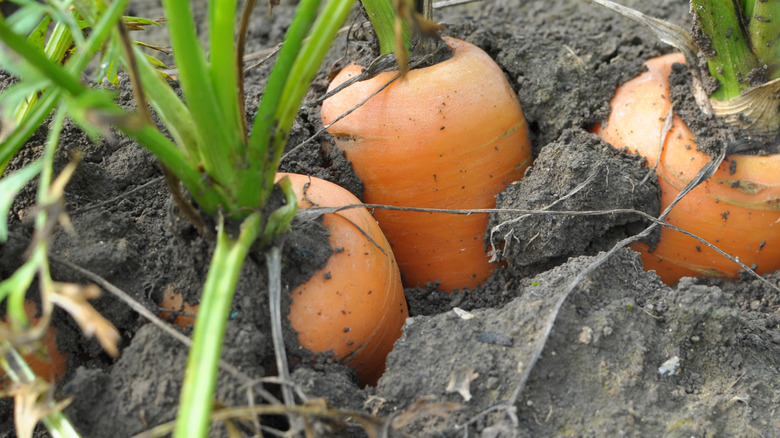
Carrots (Daucus carota subsp. sativus) are one of the most popular vegetables in the U.S. The average American eats up to 10 pounds of carrots every year. And you thought only rabbits loved them? When it comes to surviving unexpected freezes, carrots are extremely hardy. These tough plants can survive temperatures as low as -25 degrees Fahrenheit for several days. However, if it gets any colder, you must take some measures to protect them, or they will die. Both mulch and row covers work well, as long as they're thick and secure.
Cilantro
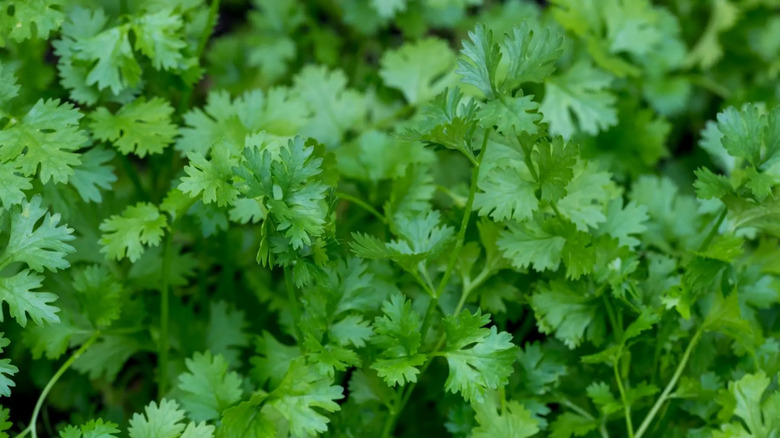
Cilantro (Coriandrum sativum), also known as coriander in some places, was the International Herb Association's Herb of the Year in 2017 and is one of the oldest cultivated herbs. It's easy to grow in average garden soils and tolerates temperatures as low as 10 degrees Fahrenheit and occasional light frosts. However, it performs best at 50 to 85 degrees Fahrenheit. If temperatures get above this range, it will bolt. Flowering cilantro doesn't taste good, but if you want to attract butterflies and bees, you should let your cilantro bolt.
Dill
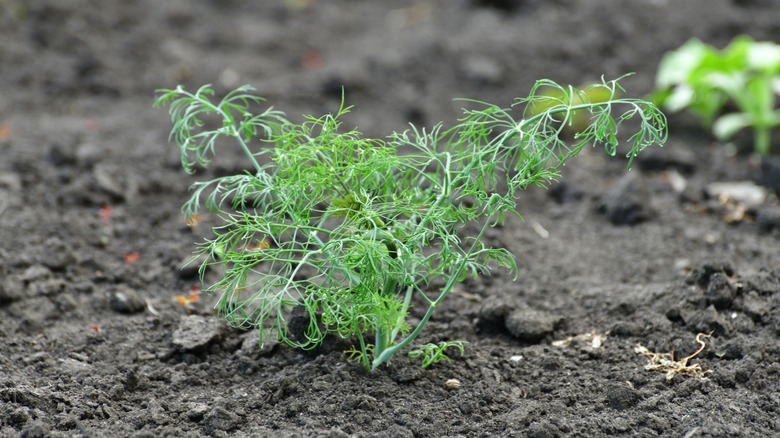
Last on the list is another popular culinary herb: dill (Anethum graveolens). It grows well in poor soils; however, if you want your dill to thrive, you'd be better off planting it in well-drained, loamy, and slightly acidic soils. Dill tolerates light unexpected frosts, but you should cover your plants with cloth or a plastic sheet before a heavy frost. When growing dill in your garden, keep the area free of weeds. Dill doesn't compete well with other plants.