

Get More Out Of Your Backsplash With This Streamlined Kitchen Look
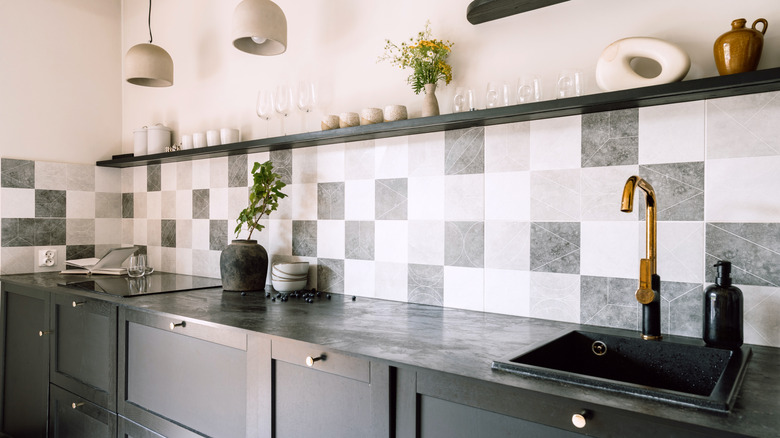
Functionally, kitchen backsplashes are essential to protecting walls from grease and moisture. Beyond that, though, their visual impact is important to the overall space of your kitchen. While there's much debate on where your backsplash should end, some interior design experts are leaning into the current trend of extending backsplashes, bringing it further up the wall and all the way above the upper kitchen cabinets to create a more seamless look.
An extended backsplash brings drama in all the right ways, capturing attention and drawing the eye while elevating the perceived space of the kitchen. Not only that, but the continuity naturally ties your kitchen together, especially when you pick the perfect material that accentuates your kitchen cabinetry. Whether it's tile, natural stone, or wallpaper, you can expect to see this stunning kitchen backsplash trend in 2026.
Kitchen backsplashes are a natural the focal point in any kitchen — but an extended backsplash is even more so. The right one can elevate your decor style, while the wrong one could sabotage it. Knowing this, it's important you choose the perfect material.
How to choose the perfect backsplash material and how to achieve a seamless look
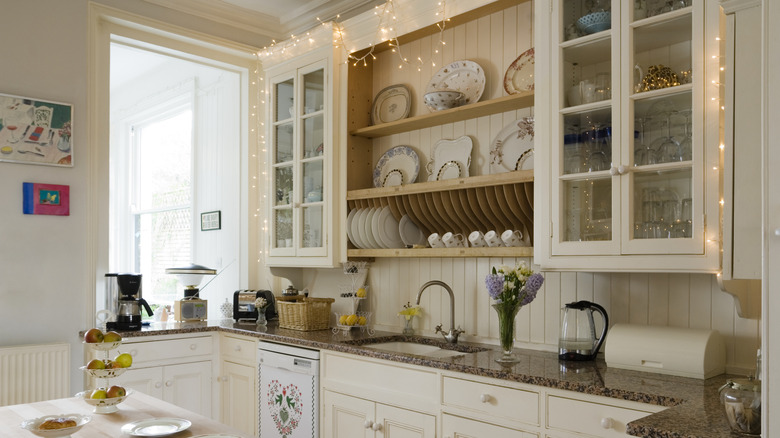
A lot that goes into finding the right backsplash material before deciding how it'll look aesthetically. You want to ensure that the material also enhances your kitchen's functionality — prioritizing durability and maintenance. Classic ceramic tiles, for example, are generally affordable, while also being easy to take care of over time. It's also a timeless option that'll effortlessly complement different design styles. Vinyl or peel-and-stick wallpaper backsplashes, on the other hand, are particularly ideal for renters if tile or other finishes aren't available.
When it comes to styling decisions, it's important to consider other elements in the space to ensure a consistent, cohesive palette. Since a backsplash can change the look of your cabinets, you want to pair it with a material that compliments the texture and color of your cabinetry. A cohesive color palette ensures the overall design scheme is consistent. You'll also want to ensure that the hard finishes within the space either complement or contrast with the backsplash. For example, drawers and pulls with a natural patina pair well with zellige tile, creating a beautiful, lived-in aesthetic.
Another thing to consider is the way that extending the backsplash above your cabinets can overwhelm the space. If you have brightly colored jade green cabinets, for instance, a neutral backsplash can contrast while emphasizing their visual impact. For a more sophisticated, refined look, you may opt for a stone backsplash. Additionally, a "countersplash" effect synchronizes the countertop material and backsplash, continuing it all the way up the wall to create a refined and contemporary look in the space.