

12 Plants Helen Keller Loved Having In Her Sensory Garden (And How To Create Your Own Version
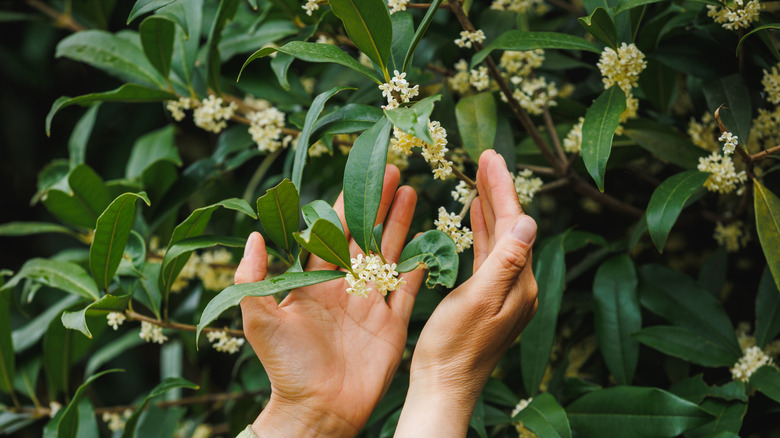
Helen Keller, who was born blind and deaf, was revealed as an intelligent woman with a deep artistic sensibility. In a 1930 interview with Better Homes and Gardens, Keller talked about her love of flowers and plants. Keller's favorites, rich with texture and fragrance, included common plants like daffodils and pansies, which can be easily grown to emulate her garden collection at her home in Forest Hills, New York.
Keller was attuned to nature and loved having a garden, deriving great joy from the scents and textures of plants. This sensory awareness aided her ability to learn communication methods from her extraordinary teacher, Anne Sullivan. In the Better Homes and Gardens interview, Keller said, "I feel that I am in the seventh heaven when among my plants. I feel the little heads pop up to look at me — my poppies, pansies, and pinks." She mentions her "green circle" — a narrow garden path lined with a privet hedge on one side and small evergreen trees on the other. But Keller was particularly enamored of fragrant garden flowers and plants.
"I really like no flowers without fragrance, as fragrance is their soul, to me," she said to her interviewer. "As color is to the eye, so is fragrance to me my way of recognizing them...Also I feel them, their form, shape, stem, even their pistils." The plants listed here are the very ones Keller mentioned having in her garden
Daffodils
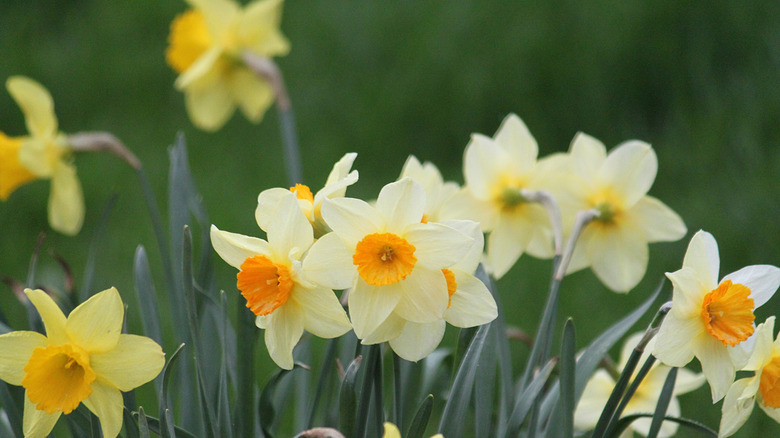
As the daffodils and tulips finish blooming, Helen Keller takes delight in the flowers of mid and late spring. I like to imagine she planted fragrant daffodils to enjoy in the garden, and there are wide varieties with delightful scents. Try 'White Lion' (white and yellow double), 'Sir Winston Churchill' (white and pale orange single), or 'Replete' (pink and white double).
Iceland poppies
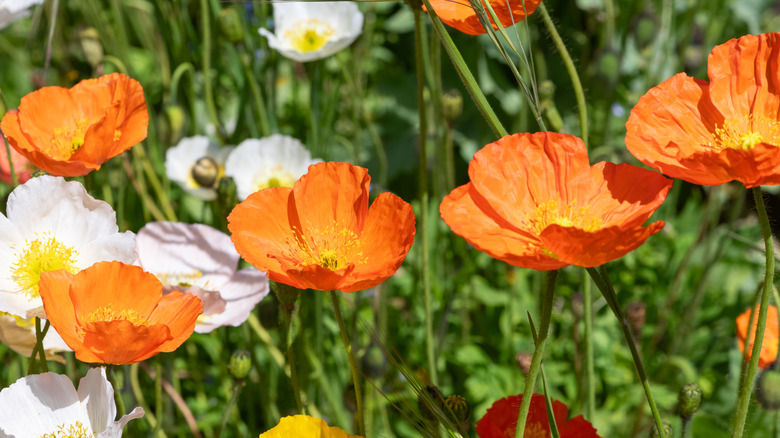
Keller tells her interviewer she enjoys Oriental poppies (Papaver orientale), referring to their "crimson beauty" as she holds the petals of a fading bloom in her hand. Keller had a sense of their color and loved them even though they're not terribly fragrant. But she might also have liked the cold-hardy, fragrant, colorful Iceland poppy (Papaver nudicaule), which thrives in cooler zones like those in the Northeast.
Pansies
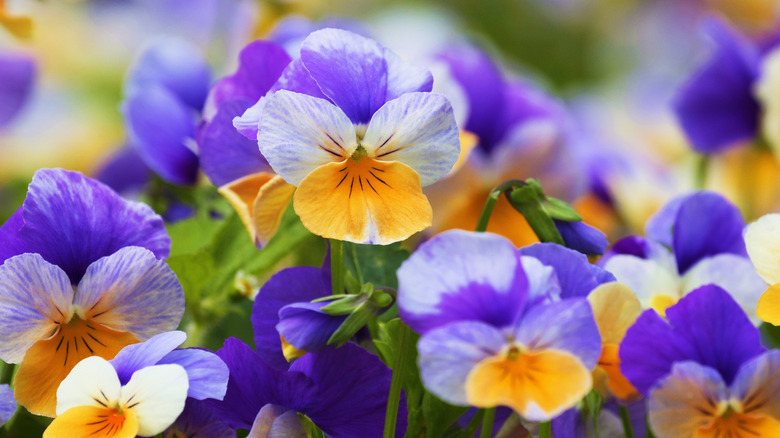
Pansies are one of the three flowers mentioned, all starting with the letter "p" (including poppies and pinks) that Keller especially loved. She said she had a sense of their shapes when they were in bloom. Pansies are spring bloomers that come in many color combinations and are often grown in containers. You can grow either violas or pansies, which look very similar in shape and color range, and some people prefer the more diminutive violas for their sweet fragrance.
Pinks
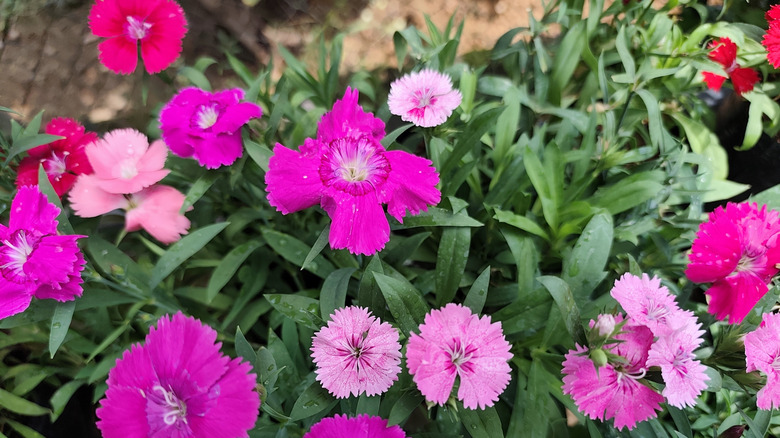
Pinks, also known as carnations, or dianthus, are cottage garden favorites and very popular in European gardens. They come in a number of forms, and all have a delightful, subtle clove-like fragrance. Helen Keller enjoyed them in the garden, imagining their soft colors and relishing their pleasing floral perfume. Pinks are easy to grow and do best in sunny gardens. The spreading varieties have nice spiky blue-green foliage, and if you shear off the first round of blooms, you'll get a fresh round of buds.
Lilacs
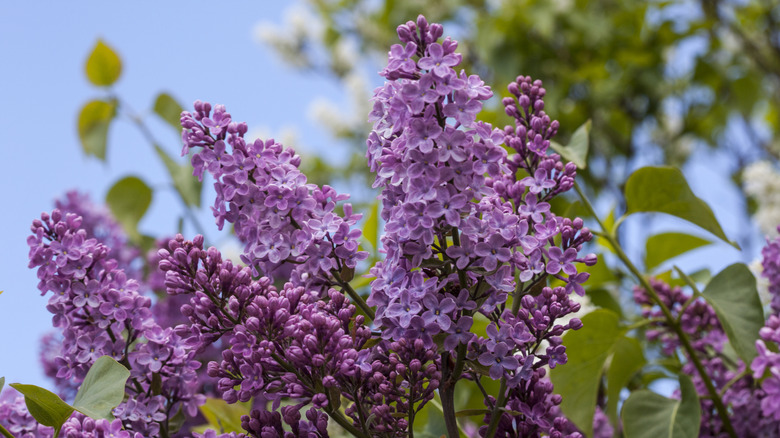
Keller refers to lilacs by their botanical name, Syringa, and mentions they have blossomed earlier than usual. The short flowering season of French lilacs (Syringa vulgaris) makes them eagerly anticipated in spring, and they're favored by many pollinating insects and birds. The buds need ample sun in early spring to bloom their best in May, and some older varieties will grow very large, so give them room. Over time, if your lilacs aren't blooming as well as they used to, there are a few things you can do to fix the problem.
Privet hedge
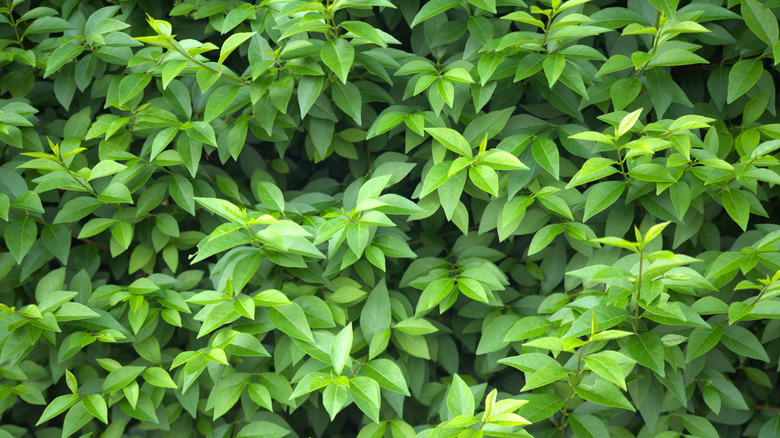
Keller's "green circle" included a privet hedge that ran along one side of her narrow garden path, with small evergreens on the other side. The proximity of these two textured plants was no coincidence: imagine Helen walking down the path, reaching out to either side to feel the evergreen branches or the glossy leaves of the privet hedge. Privet (Ligustrum ovalifolium) is still a very common choice for garden hedges, for its evergreen habit and the lush, full growth of its leaves, which create a wall of green.
Dogwood
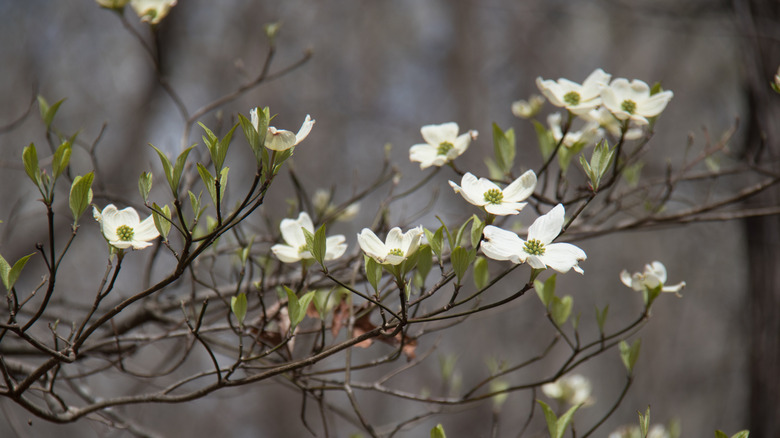
It's not clear which kind of dogwood Helen Keller was referring to when she mentioned enjoying it. She also mentions it has been blooming "in profusion" in spring, so she very likely meant a flowering dogwood tree (Cornus florida), which blooms in creamy white or pale pink. These small ornamental trees (mature height is 15 to 30 feet) make beautiful focal points in the garden, and their spreading, graceful branches add shape and form.
Wisteria
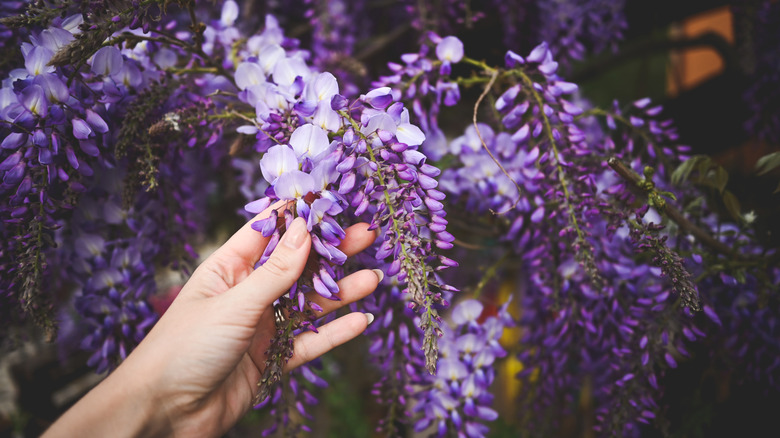
The garden's wisteria vine blooming in spring must have brought great joy to Helen Keller, with the flower's divine fragrance and soft, velvety blossoms. These assertive vines are somewhat invasive, so they must be kept trimmed regularly and supported with strong stakes. But the unique fragrance of wisteria flowers is so well-loved that its care needs are well worth it.
Fragrant white peonies
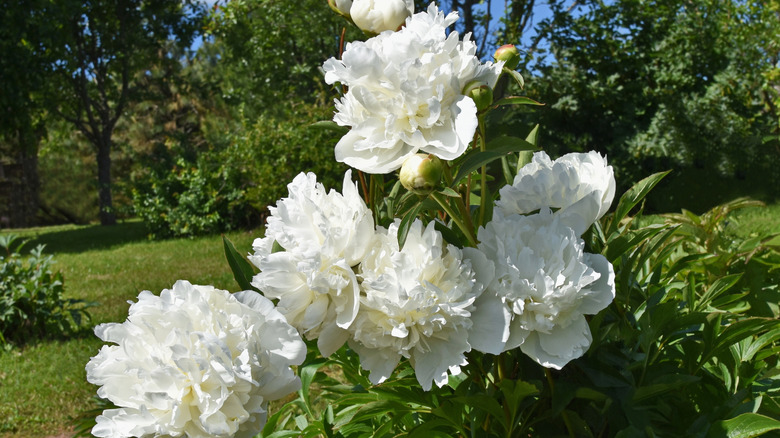
A visitor to Helen Keller's home once admired a vase of fragrant blooms, including red roses and white peonies. It's reported that Keller said to them, "I adore the peonies." She added that these flowers gave her joy even as a child: "Since my childhood, I have adored them and have been glad each spring when the miracle of their bloom has been wrought again." These beautiful spring-blooming perennials are long-lived and need full sun. Fragrant white varieties include 'Duchesse de Nemours,' 'Gardenia,' and 'Bowl of Cream.'
Fragrant red roses
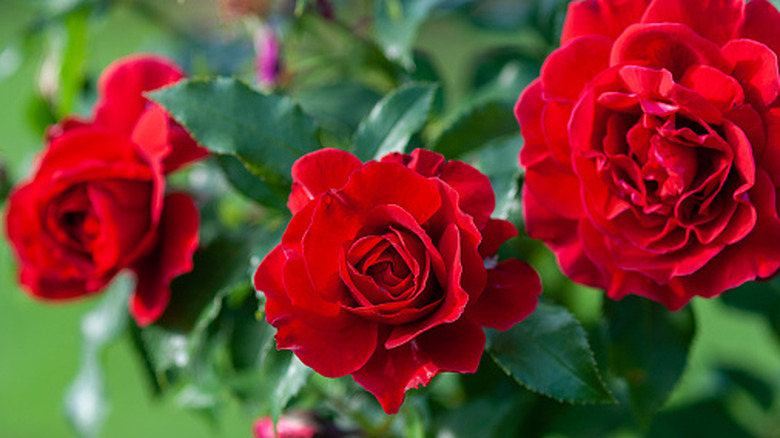
Helen's interviewer noted she had red roses displayed with white peonies in a vase, and that the bouquet filled the room with fragrance. It's no surprise that Helen loved fragrant roses, one of the garden's most sumptuous scents. Red roses that are particularly fragrant include the hybrid tea rose 'Mister Lincoln,' the climbing rose 'Lady in Red,' and the floribunda rose 'Dark Cherry.'
Shasta daisies
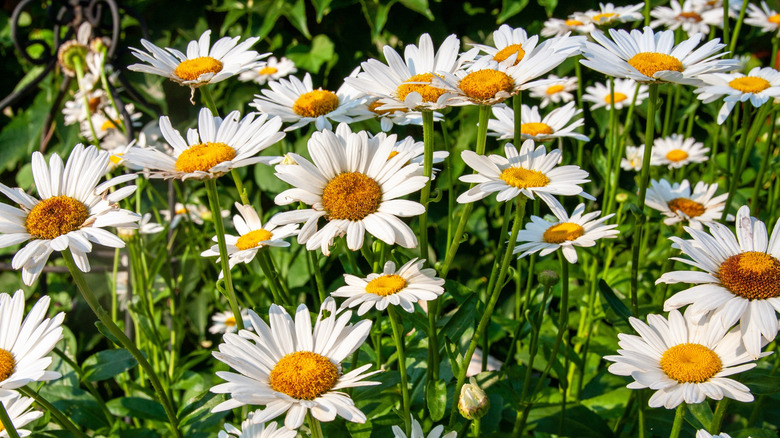
A well-known plant breeder, Luther Burbank, lived and worked in Santa Rosa, California. In 1925, Helen Keller visited his home and explored many of the plants he had developed using her finely honed sense of touch. She enjoyed his Shasta daisies, perhaps because these flowers are very touchable, with sturdy, thick petals that have a somewhat "shaggy" edge and texture. Shasta daisies are robust, sun-loving perennials that increase in size each year, and come in a few different cultivars with different petal forms.
Bearded irises
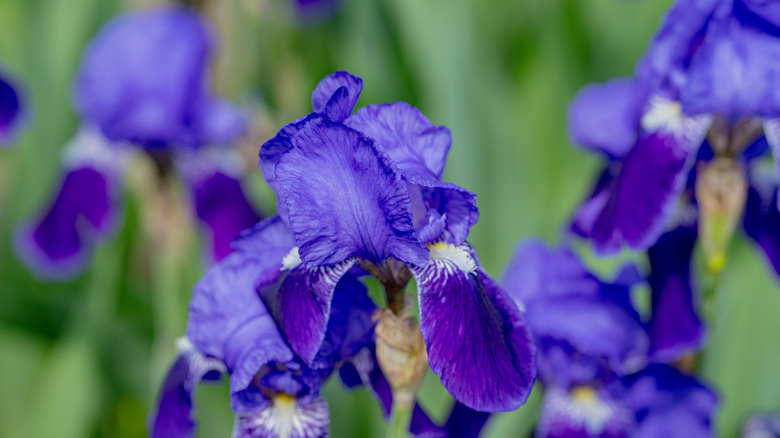
Among the many vases of cut flowers noticed by Keller's interviewer, the last one mentioned is a vase of violet and cream irises. The dreamy fragrance of bearded iris in spring was obviously a source of pleasure to Keller, who also loved the perfumed blooms of peonies, roses, pinks, and lilacs. The most fragrant irises tend to be the reliable heirlooms, and these are also robust growers. Some "violet and cream" colored varieties to try: 'Center Ice,' 'Girly Girl,' and 'Dream of You.'