

Important Steps To Take If A Bird Flies Into Your Window
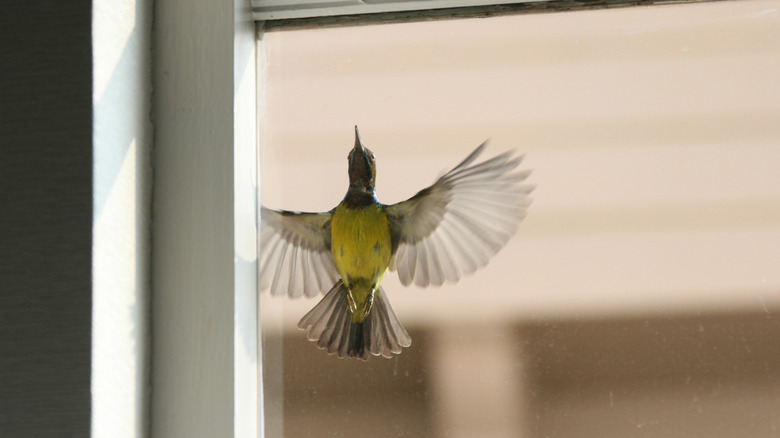
If you love birds and biodiversity in your garden, then you probably know all about how to attract a variety of birds to your yard so you can enjoy seeing the wildlife. However, inviting a bunch of birds to your yard can have some unintended consequences, especially if your house has windows that are remarkably transparent or reflective. Birds can unfortunately mistake the glass for clear flying space, leading them to collide with your house's windows. This collision is very dangerous to birds, often leading to injury or even death. If you want to help the bird, you will need to work quickly and know exactly what to do in order to handle the bird safely. This includes keeping yourself and the bird safe while assessing injuries, knowing who to call for help, and understanding how to confirm and dispose of a dead bird.
Birds fly at very high speeds, and an abrupt collision can do serious harm to them. Broken wings or legs are common, and often, they are stunned, dazed, or concussed by the impact. Even if they have relatively minor injuries, they may need several minutes to recover before flying again. During this time, they are at risk of being attacked by predators or being affected by weather conditions, like extreme cold. This is why it is typically recommended for humans to intervene and either protect the bird until it's recovered or contact a professional who can care for the injured bird.
Allow the bird to recover in a safe container
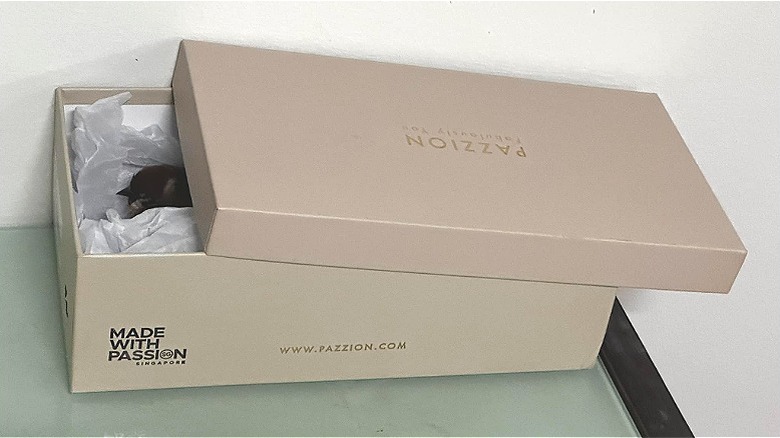
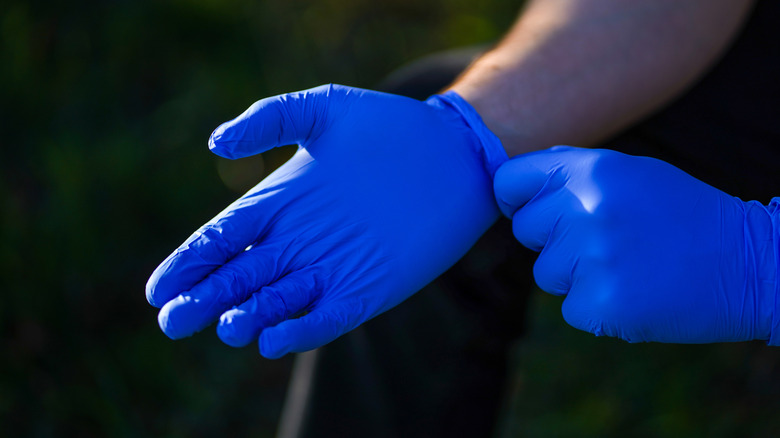
The first thing you should do if a bird collides with your house is assess the situation from a distance. Try to determine if the bird is alive and moving before you begin to approach. If it seemed stunned, injured, or unconscious, it may need your help. Put on gloves and gather a towel-lined shoebox, an old pillowcase, or a paper bag. The container should be breathable but relatively dark and secure. Make sure there aren't any strings or items inside that the bird could get tangled in.
As you approach, move slowly so you don't scare or stress the bird. When picking up the bird, place your hands lightly over the wings with a gentle but firm grip. Immediately place the bird into the bag or shoebox and clip the bag closed or place the shoebox lid on top. Then, carefully move the box to a dark, safe space. You should handle the bird as little as possible, and leave the bird alone in the dark for a few minutes up to an hour.
When the bird seems to be awake and you hear it moving, you can assume that the swelling in its brain has gone down and attempt to release it outside. If the bird seems severely injured before you pick it up or it doesn't seem to recover within a few hours of resting in the box, then it may be time to call a wildlife rehabilitation center. They will take the bird and do their best to give it the care it needs before release.
What to do with a bird that seems dead or unconscious
Unfortunately, there is also a chance that the bird will die from its collision with the window. In fact, roughly half of all birds that fly into windows die immediately or soon after, according to Humane World for Animals. If you think the bird may be dead, you can find out for sure by very gently attempting to move its legs. If the legs can be moved, eyes are closed, or you see shallow breathing, wait to see if the bird will regain consciousness. If the legs and body are stiff, toes are curled, and eyes are open, the bird has most likely passed away.
You might want to contact a local wildlife rehabber anyway to get advice on what you can do after finding a dead bird on your lawn. Some states keep records of bird deaths, including deaths from window collisions, so check your area to determine if there is someone to report the incident to. Research may save more birds in the future. They can also tell you if it is a migratory bird, which is important because handling migratory birds could be illegal.
You'll need to figure out how to dispose of a deceased bird. If you didn't see it hit the window and the bird could have died from illness, double-bag the body and put it in your outdoor trash can. Otherwise healthy bird bodies can be buried in your yard or placed in a respectful location in nature. Continue to use gloves while handling the bird and wash your hands thoroughly afterward. If collisions seem to happen frequently around your home, learn some tips and tricks to keep birds from flying into your windows in the future.