

The Telltale Sign You Might Have An Invasive Plant In Your Yard
For novice gardeners, it might sound reasonable to assume that any bit of greenery in your yard is a good sign. Due to the potential presence of invasive species, that is not always the case. An invasive plant species is both introduced to the environment in which it's growing and spreads aggressively, causing harm to native wildlife. These plants can degrade habitats and steal resources from native greenery, which throws off the balance of the entire ecosystem. It can be difficult to identify invasive plants in your garden. Fortunately, they share a few key characteristics that make them easier to spot. One telltale sign is that they always look green and healthy, despite never receiving care or growing in harsh conditions.
In other words, a lot of invasive species can be identified by how well they thrive year-round compared to other plants growing on your property. They often sprout up very quickly, perhaps as a mysterious species, crowding out the plants you actually want to grow and overtaking a garden bed in a matter of weeks. Most invasive species were introduced as ornamental garden plants, such as the striking burning bush (Euonymus alatus), flowering Japanese honeysuckle (Lonicera japonica), or clambering English ivy (Hedera helix). As attractive as these plants can be, you should think twice before bringing them home. It's often not even safe to have invasive plant species inside as houseplants.
What to do with an invasive plant once you've identified it
Random plants you don't recall planting are likely invasive, as is any large swathe of ground cover that suffocates other plants. There is likely a number one most invasive plant in your U.S. region right now, and learning about its identifying characteristics is crucial. But if you want to eliminate all of the worst invasive plant species from your garden, you need to be able to spot other common offenders, too. If you suspect a vigorously growing plant is invasive, consult the species listings at Invasive.Org or the USDA's Invasive & Noxious Search or contact your local Cooperative Extension office.
Invasive plants spread quickly through tough root systems and seed dispersal. Removing these invaders isn't only important to keep your garden healthy; disposing of invasive species helps the nation's endemic wildlife. According to the USDA, for almost 20% of U.S. endangered species, invasive plants are the primary cause of their decline.
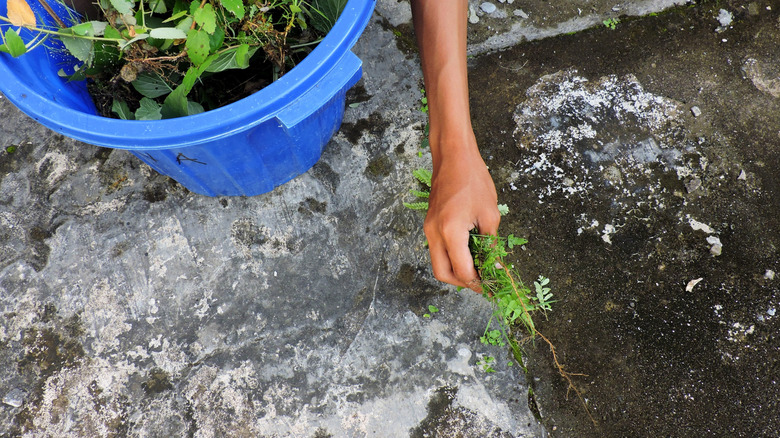
Once you've correctly identified an invasive plant, remove the above-ground parts and all of its roots. Don't add the pulled plants to your compost pile; they can spread through seeds or stem and root pieces. Either throw them in the trash, put them in a sealed bag and lay them out in the sun, or contact a professional disposal service. Consider herbicides over hand removal if the plant is completely out of control.