

16 Ways To Save Your Plants After A Winter Frost Or Freeze
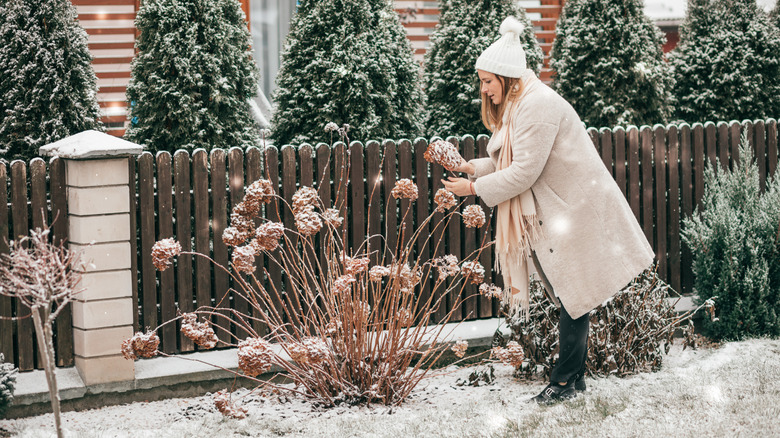
I'm a master gardener, but even I get caught off guard by a late frost or random, unexpected cold snap from time to time. I take a lot of precautions to prevent frost damage, too, but still, sometimes it's unavoidable. Frost damage blackens foliage, destroys plant tissues that cause leaves to be limp and collapsed, and can kill plants outright.
But not everything that gets a bit of frost damage is a complete write-off. Admittedly, when you first go outside and see those sad, wilted, limp plants, they will absolutely look dead. But some can bounce back if you handle them carefully and give them time. And, of course, protect them from further damage.
Water frost-stressed plants deeply once the soil thaws
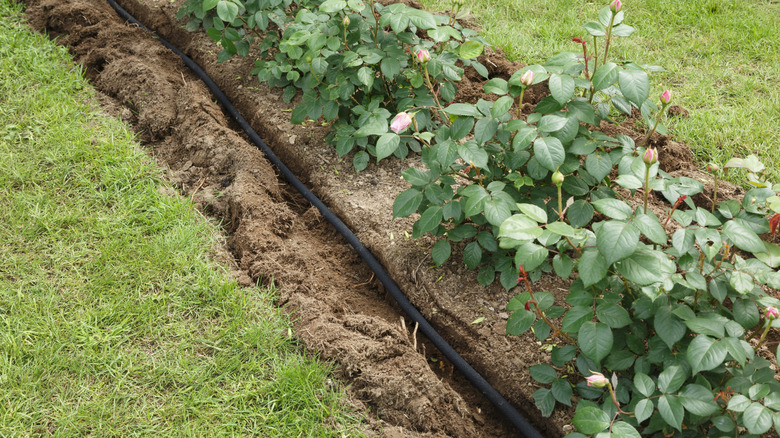
When the ground thaws, give frost-bitten plants a long, slow, deep soak. Rehydrating the roots, if they haven't succumbed to frost damage and desiccation, can save the plant. It won't work every time, because it depends on the extent of the cellular damage and whether the roots are also too damaged to take up water. But it's always worth a try.
Water the soil with a soaker hose. You can even easily make a soaker hose yourself. Avoid getting water on already damaged plant tissue. Just focus on the root zone. Don't do it while the ground is frozen, though. The earth needs to thaw and remain thawed long enough for the surface water to penetrate deeply so it doesn't refreeze and cause more damage. And obviously, if the ground is already saturated, don't add more water, as you'll just cause further problems.
Give plants time to show the full extent of damage
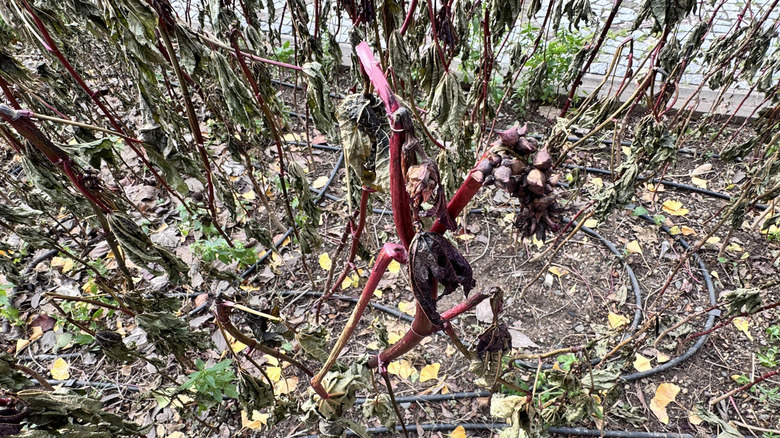
Exercise a little patience with frost-damaged plants. They are delicate, having just been bitten by the deep cold. Ideally, before you make a decision about whether to try saving them or discarding them, give the plants about 48 hours. Sometimes, more damage becomes apparent within a couple of days, as damaged tissues die off. On the other hand, you may see new signs of life as the plant begins to heal.
Some perennials, for example, might wilt to the floor and look utterly defeated and dead. But 48 hours later, you may see new growth popping up, like a phoenix rising from the ashes. The same goes for flowering plants. Open flowers and those at the tips of a plant may die off, but in a couple of days, you may see that buds further back down the stems are doing just fine. Woody plants take longer to show full damage and signs of recovery, so woody shrubs or herbs like lavender need at least two weeks before you make a final decision.
Use a scratch test and bud firmness to check if woody plants are alive
This isn't exactly high-tech, but, as with many gardening "tricks", it's simple, and it works. If you've got a woody plant that's been damaged by frost, and you've dutifully waited two weeks but you're still not sure if it's truly dead, lightly scrape it with your thumbnail. Use a light touch and gently scrape the outer bark on the smaller branches. Look at the scratch you made and see if the tissue underneath is green and moist. Start at the tips and, if they show no signs of life, move back to the midpoint of the branch and try again. If there's still no green, move back further and try again. Repeat this over the obviously damaged sections of the plant to see how far you'll need to cut it back.
For plants in bud, you may find that, even if some buds or flowers drop, the plant hangs on to many of its buds. Again, start at the outermost branches and lightly squeeze the buds. If they are viable, they'll be firm and full. If they're basically dead, they'll feel dry and papery or slightly mushy. If you find the first bud on a branch is not viable, work backwards and check each one on the branch to see how far the dieback extends.
Cut back mushy or collapsed growth on tender perennials
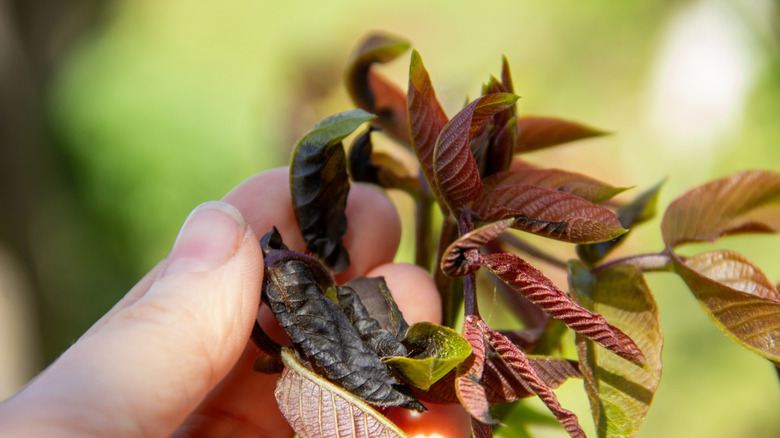
Sometimes there's no choice but to cut back the dead tissue to save the rest of the plant. If you leave it to rot, it can spread to the rest of the plant. Plus, the dead tissue can put the whole plant at greater risk of disease and pest infestation. Anything that's black, slimy, or fully collapsed needs to go. The same goes for anything that turns jelly-like, water-soaked, or translucent. But wait until the plant is fully thawed.
For some plants, that may mean a drastic haircut. Depending on the extent of the damage, you may have to take the plant all the way to the crown. Better to do this than risk crown or root rot setting in. Cut back as much material as you need to, and remove the waste. This reduces the risk of disease and allows for plentiful airflow. If it looks like there might be more frosts, though, I strongly recommend mulching around the plant or even protecting the exposed crown with a frost blanket, just to be safe.
Re-firm frost-heaved plants back into the soil
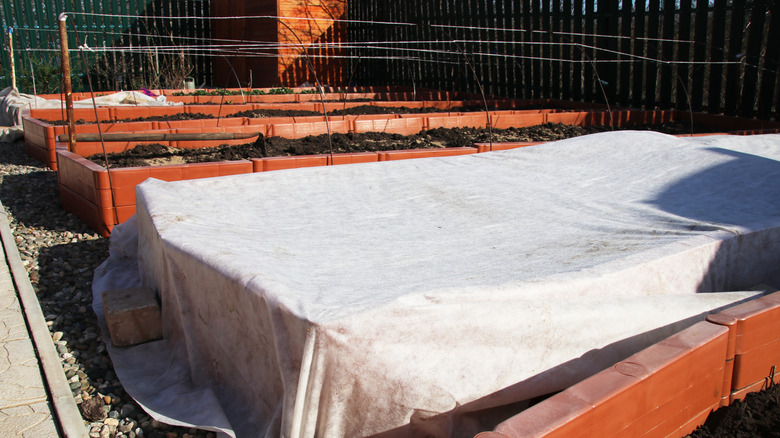
For shallow-rooted plants and those newer plantings that haven't fully anchored themselves yet, frost can cause them to partially pop out of the ground. This is known as frost heave. And it's damaging because it exposes bare roots to freezing temperatures and dehydrating and scouring winter winds. Plus, it can snap off valuable feeder roots. You'll most likely notice plants suddenly sitting higher than others in the bed or randomly leaning to one side. Then, on closer inspection, the plant will likely rock if you gently push it, and you may see a gap between a portion of the roots and the soil.
If the ground is still frozen, your options for dealing with frost heave are limited. But I recommend mulching over the exposed roots and adding a frost protection blanket over the whole plant and root zone to stop any further damage. Then, once the ground has thawed, uncover the plant and gently press it back into its original position, or as close as you can get it. The crown of the plant should sit at or just above the soil level. Firm the soil, add a good layer of mulch, water deeply, and recover.
Add or top up mulch to insulate vulnerable roots
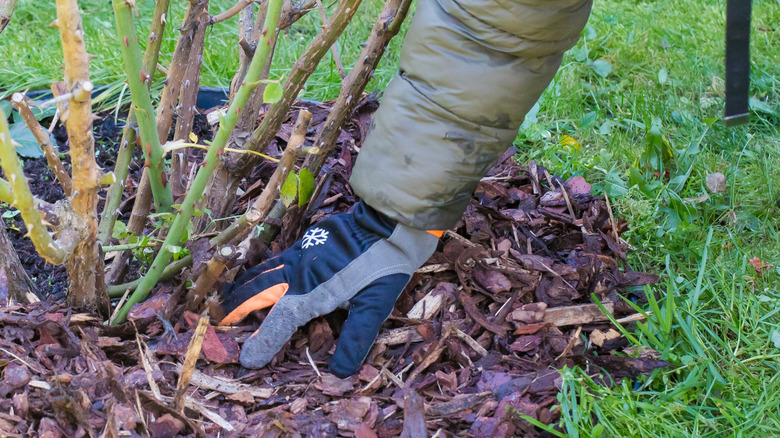
If your plants have sustained frost damage, and the ground is still frozen, your goal is to minimize further damage. Adding a deep layer of mulch over the root zone keeps temperatures relatively stable. Doing it while the ground is still frozen is key, as it limits the constant freezing and thawing cycle that can "heave" plants out of the soil.
A decent layer of loose mulch, like wood chips or compost, minimizes any frost stress and reduces the effects of scouring winter winds, protecting the soil and retaining moisture for plant roots. Spread the mulch in a layer between 2 and 4 inches deep across the whole root zone. Just leave an inch or two between the crown or trunk and the mulch.
Move container plants to a sheltered spot while they recover
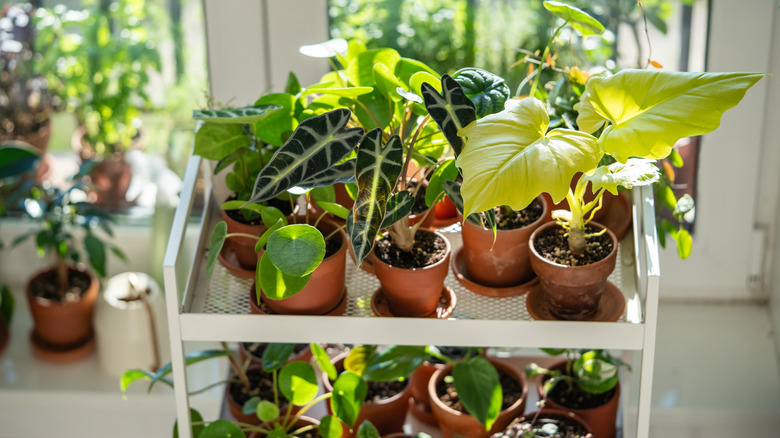
Many people don't realize that container plants are at a far greater risk of frost damage than the same species grown in the ground. Their roots have far less protection because there's less soil around them and more exposure to the elements. And, if you sit them on concrete or stone pathways or patios, residual warmth is pulled away from the plant into the cold ground. So it's common for container plants to experience frost damage before those in the ground.
The best thing you can do for them is to move them to prevent more damage. If possible, move them onto grass or heel them into bare soil, or even bury the container. Preferably, in a sheltered spot. You can also move them into a greenhouse or polytunnel. Grouping them together also helps, as does wrapping a group of pots in a frost protection blanket or some bubble wrap to keep the temperature slightly raised.
Add extra protection to the greenhouse after a cold hit
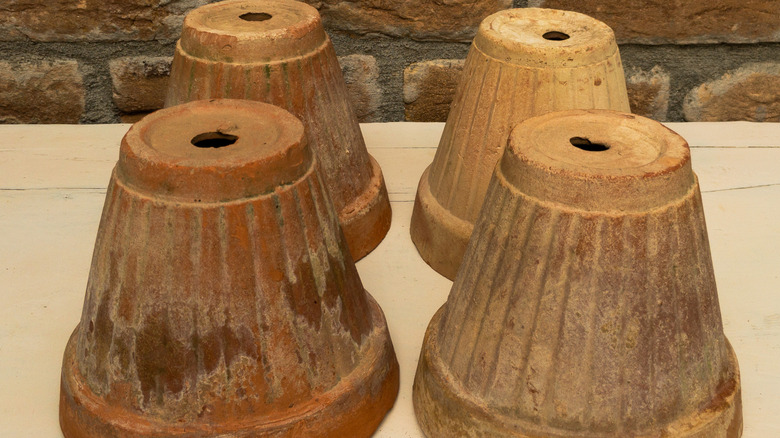
I have been caught by surprise by a hard, late freeze that's taken out whole batches of seedlings. Now, if there's any hint of a late frost, I add extra protection to the inside of my greenhouse. For delicate seedlings, it only takes a light touch of frost to kill them.
I clip bubble wrap or frost protection fleece along the inside of the frame to keep the heat in for longer. And in the worst weather, I add an extra layer of fleece directly over the seed trays, clipped to the edge of the benches so it doesn't directly sit on the plants. I've also (carefully) improvised a heater using a large terracotta plant pot propped up on a few bricks, with three long-lasting tea lights lit underneath the pot. Obviously, make sure there are no flammable things nearby. But this creates a mini radiating heater that lasts for hours. It slowly radiates the heat outward from the terracotta, keeping the inside of the greenhouse a few degrees warmer than the outside.
Help winter-burned evergreens rehydrate and slowly recover
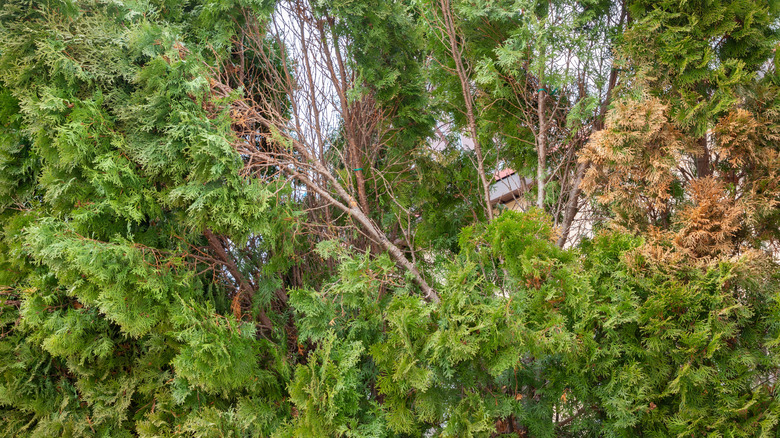
Evergreens aren't immune to frost damage. It tends to happen most often after a sunny, windy, dry day followed by an overnight frost. This is because the plant desiccates during the dry, windy weather, and so is more susceptible to tissue damage when temperatures drop. Evergreens lose moisture through their leaves all winter, especially on bright and windy days. And the roots can't bring up enough water from dry or frozen ground to compensate.
You can help by waiting until the ground thaws and then giving the affected plants a long, slow drink. A soaker hose providing water to the entire root zone, not just the immediate area around the plant's base, is the best option. After a long, deep soak, you need to thoroughly mulch the area to prevent winter winds from rapidly drying out the soil again.
Delay heavy pruning on shrubs and trees until new growth appears
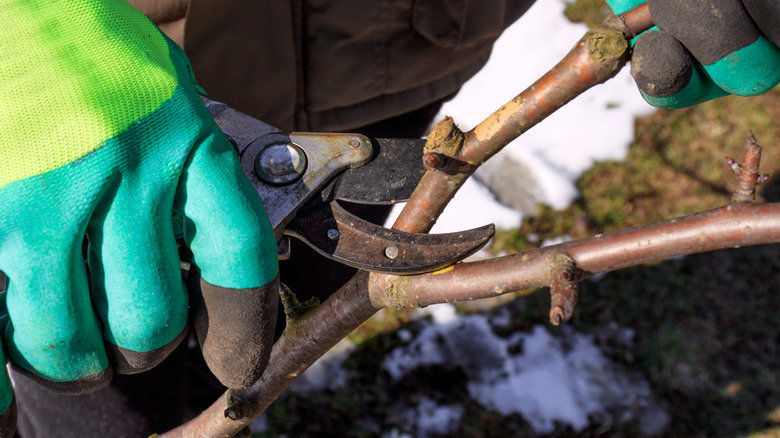
It's true that some plants do need pruning in deep winter. But not if they're already suffering from frost damage. Not unless you're certain the parts you're cutting are really dead. Remember, it can take a couple of weeks for woody plants to show the full extent of their damage. And frost doesn't always kill the whole branch. While you may find some dead branch tips, buds, and wood further back may still be alive.
If you cut too hard and too early after frost damage, you can easily cut away healthy wood that the plant needs for speedy recovery. Frost stresses the plant and depletes its energy reserves. Hard pruning healthy wood adds another layer of stress. So just be patient. Use the scratch test for bark and the squeeze test for buds after a few weeks. And, if you can, wait until new growth starts to emerge before you make any significant cuts.
Hold off on fertilizing until plants are actively growing again
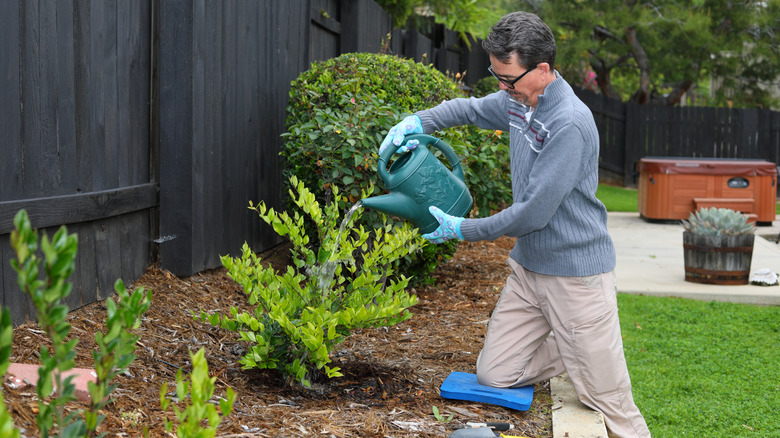
Don't be tempted to try and "rescue" a frost-bitten plant by giving it a good feed. Remember, in winter, most plants are at least semi-dormant, so they're not feeding much. And, if you over-fertilize now, the plant will just put out a flush of weak, useless foliar growth, which won't survive the cold. This growth is a drain on the already-stressed plant's energy reserves, and it's prone to disease because of its weak growth.
Hold off fertilizing. Cold, parched roots also struggle to cope with a sudden influx of heavy fertilizer salts. Only fertilize once the plant is actively growing in spring, and only if your soil is lacking in essential nutrients. Give plenty of water and mulch instead. These are both much more valuable in winter than fertilizer.
Protect weakened plants from the next cold snap
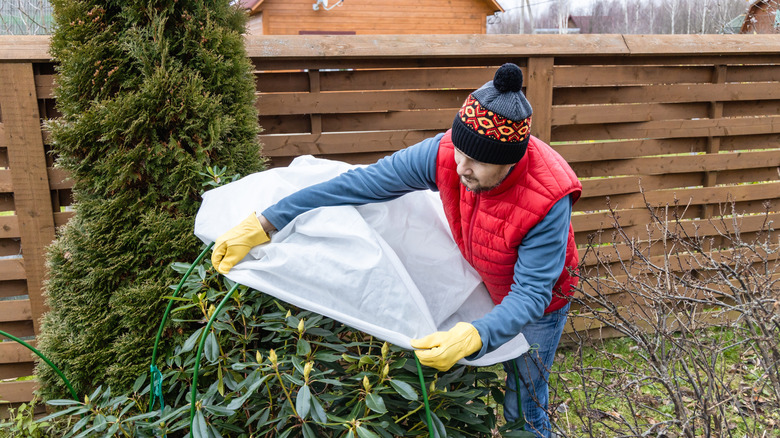
If a plant survives a hard frost and shows signs of recovery, it needs extra care. The tissues are still damaged, and it will have used most of its reserves to heal and recover. The plant is still stressed, and the roots will be struggling. Therefore, it's much more susceptible to a second cold snap. That means you need to take precautions to protect outdoor plants from further frost exposure.
I keep a stock of frost blankets at the ready just in case. And, anything that shows any sign of frost damage gets covered up at night until all danger of frost has passed. Bigger plants obviously can't be covered up easily, but you can still rig up a simple windbreak that will help protect them.
Pot up borderline survivors into containers with sharp drainage
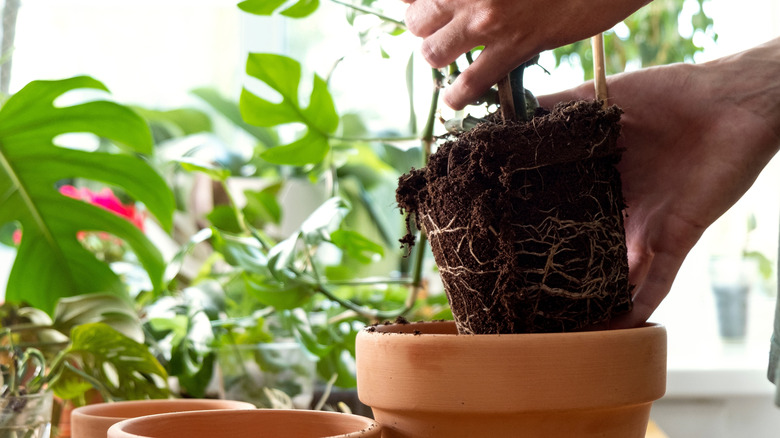
You might find you've got a few smaller plants that you're not quite sure whether they've really survived or not. Or you're not sure whether they're worth trying to save. These plants most likely have taken a lot of damage, but they're still showing some signs of life. If they are planted somewhere that's very exposed or wet, or that is otherwise challenging to protect, the easiest option is to lift them.
When the ground is thawed and workable, gently lift the plants and check the roots. Remove anything obviously dead (black, slimy, or squishy) and pot them into roomy containers. Move the containers to a sheltered spot, not on concrete or stone. You could also stick them in the greenhouse. Just make sure you pot them up with high-quality, free-draining compost and that the pot has adequate drainage holes.
Support fruit trees and shrubs even if blossoms were lost
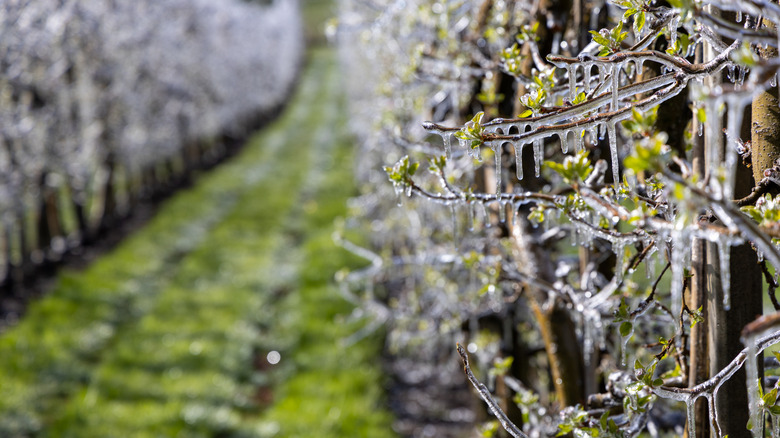
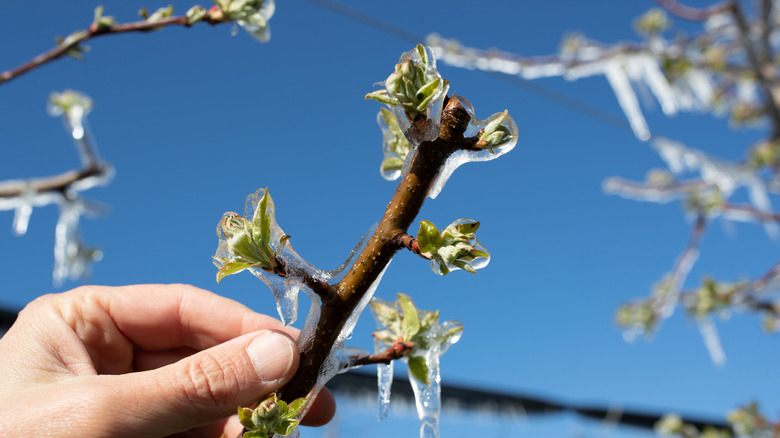
Fruiting plants usually show frost damage in blackened blossom clusters or brown and dropping fruitlets. A few years back, my apple trees were already blossoming, and we ended up with a late frost that decimated 50% of those blossoms. That year, we had fewer apples, obviously, but the trees still recovered from the damage and continued to produce. With frost-bitten fruit trees and bushes, remember that even if you lose most of one year's harvest, with a little care, they'll bounce back and keep producing for many years.
You can't easily cover big, established trees, but you can mulch and deeply water their root zone. Extend the mulch and watering a little beyond the drip line, which is how far the canopy extends, for the best results. And resist pruning off the "dead" branches where the damaged blossom and fruit are. Just wait and watch until new growth appears. Then you can decide if anything actually needs cutting back.
Decide which vegetables and annuals to save and which to replant
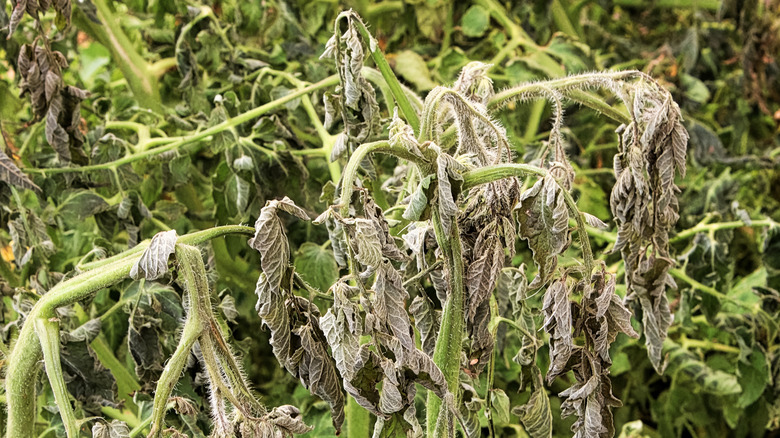
Some plants only show light damage and recover quickly. Others are killed outright or take so long to recover that they're not worth saving. Evergreens and cool-season annuals usually tolerate light frost damage and keep right on growing vigorously as soon as spring arrives. Tender annuals and warm-season crops like tomatoes, squash, and basil either die off at the first touch of frost or their growth slows so much that they're not really recoverable.
In the years when my tender seedlings have been hit by a frost, I've honestly just mostly replanted them or begged friends for a few spares. There's not really much point in trying to save very early-stage seedlings or tender annuals. You're better off replacing them. Most will blacken or wilt with no signs of recovery anyway. It's infuriating when it happens, but you can save yourself further frustration by just starting over.
Rethink plant choices and siting after repeated winter damage
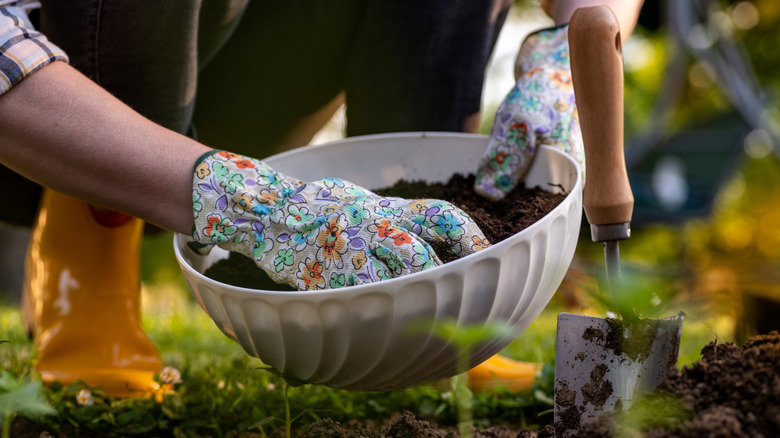
Pay attention to what parts of your garden suffer the most from frost damage. If a particular area or bed suffers every year, rethink what you plant in it. Instead of placing tender or borderline-hardy plants in at-risk areas, go with tougher, hardier specimens that can more easily tolerate some frost.
I'd also recommend looking at the problem areas and seeing if there's anything obvious you can fix. For example, if there's a drainage problem, the soil is compacted or heavy clay, you could work to improve soil structure by adding plenty of organic matter over time. If the site is exposed, you could plant some windbreaks or even erect a temporary winter windbreak from hessian cloth rigged up between two posts.