

What To Do If Landlord Won't Allow You To Install An Air Conditioner In Your Unit

When the temperatures rise enough outside, everyone needs a place to escape the brutal heat. Unfortunately, if your house or apartment isn't properly insulated or you don't have the right equipment, you might also feel the need to escape your home. While homeowners may decide to make adjustments to their HVAC and improve the air temperature as they see fit, you'll likely need your landlord's permission before installing an air conditioner if you are a renter. A landlord who refuses to allow you to add AC can be frustrating, but from considering your legal options to trying DIY cooling options, there are a few things you could do in this situation.
While refusing air conditioning may seem unfathomable when you're sitting in a steamy room, installation of a central system often requires structural changes. Plus, the responsibility of caring for the air conditioner will fall to the landlord, potentially making things more difficult and expensive on their end. On average, yearly maintenance costs a couple hundred dollars, and actual installation typically costs between $6,000 and $11,500, per NerdWallet. Given that air conditioning is not a requirement for rental properties in many states, this can seem like a major unnecessary cost. So, if you are considering your options for keeping cool, it helps to know if landlords have to provide tenants with AC where you live. Since your landlord may not want to alter their property or foot the ongoing maintenance bill after you leave, they may also decide not to allow you to install an air conditioner on your own dime. If you are unsatisfied, it may be time to consider your legal options.
What are your legal options if your landlord says no to AC

If your first step was asking your landlord, then your first action if they say no is to check your lease. In most leases, there is a section that says tenants cannot make significant changes without the landlord's permission. If your lease agreement does not place any limitation on the tenant's ability to make changes, you may technically be able to install an air conditioner. To avoid trouble, though, you may want to talk to your landlord and a lawyer before actually making changes.
The next thing to check is habitability. The exact definition varies by state, but generally, landlords must keep their properties in habitable condition for their tenants. The state of Arkansas does not have any habitability requirement, but every other state has some level of protection for tenants. Certain areas in states like Arizona, California, Louisiana, Maryland, Oregon, Texas, and Nevada have laws protecting a tenant's right to a cool living space in some way, so look into your own state and local laws to determine what you can legally ask your landlord to improve or replace.
Additionally, if your need for an air conditioner is related to your health or a disability, then reasonable accommodations must be made by the landlord. This could mean that you would have to pay for the air conditioner installation, but it would not be denied by the landlord unless there are other reasons that it wouldn't be practical or safe. While not guaranteed, it is worth talking to a lawyer to find out more about what you can do in your specific situation.
Keeping cool when the landlord won't let you install AC
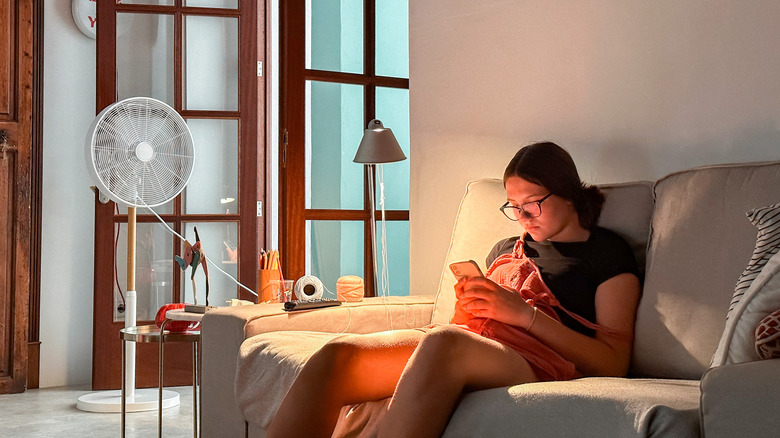
If you can't consult a lawyer or you learn that you aren't able to install an air conditioner, there are still some things you may do to keep your apartment cooler. From buying portable air conditioners to testing a variety of hacks to lower your rental's temperature, you don't need to resign yourself to sweating all summer. Because their installation is minimal and impermanent, portable air conditioners may be an option if you aren't allowed to install a central or window air conditioner. The main downsides are that they can be bulky, product a lot of noise, and use significant energy. They typically cost between $250 and $700, and you will be paying more for electricity as well. Overall, portable air conditioners are not quite as effective or efficient as other air conditioners but are worth considering if your landlord limits what you're able to install.
If the cost is too off-putting, you may want to start by trying some different tips and tricks to lower your home's temperature. Common recommendations are to cover your windows to block heat and sunlight from entering, use fans strategically to improve airflow, open windows at night when temperatures are lower, and close doors to unused rooms. Finally, there are a variety of ways to repurpose items around the house to stay cool in sweltering heat and keep yourself at a good temperature even if your home is warm. A lack of an AC unit in your rental is frustrating, but considering all of your options before acting can help you figure out what's best for you.