

Fill Your Garden With Birds And Butterflies By Planting This Near Your Rosemary
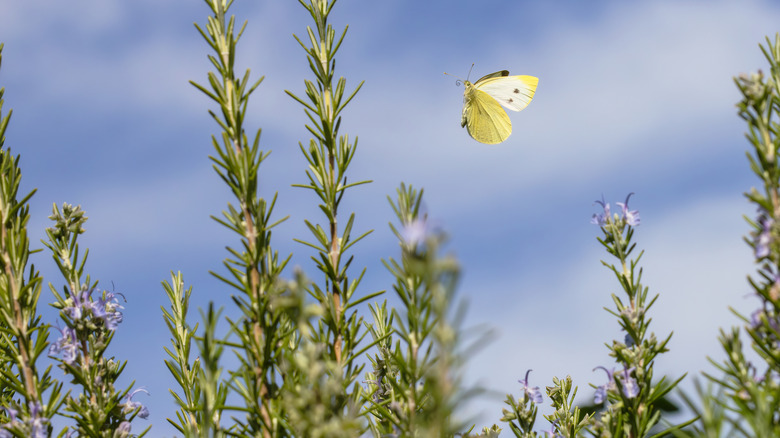
Watching a butterfly float through your yard to find a spot to feed is one of the best parts of gardening. If you want to see more of them, planting marigolds right next to your rosemary plant is a good way to turn your backyard into a spot where birds and butterflies like to gather. Rosemary (Salvia rosmarinus) is a tough herb that stays green all year in USDA Hardiness Zones 8 through 11. While it produces its own small blue flowers, they can sometimes be hard for passing insects to spot. By adding bright orange and yellow marigold flowers (Tagetes spp.), you can give pollinators a sign they can find from a distance.
Marigolds have wide, flat tops that work as a landing pad for butterflies, making it easy for them to stop and drink the nectar. Since butterflies are cold-blooded, these wide flowers also act as a space to warm their wings for flying. Once these insects start showing up in bigger numbers, you'll likely notice more birds hanging around as well. Many birds are drawn to the movement of insects, and they often return later in the season to eat the seeds that form after the marigold petals fall off. Chickadees and sparrows are especially fond of these seed heads, which are a reliable food source during the cooler months when other options might be scarce. The mistake many people make when planting marigolds as companion plants is overcrowding them, since not getting the spacing correct can be detrimental to both the flowers and rosemary.
Keep your rosemary healthy by using marigolds as a natural guard
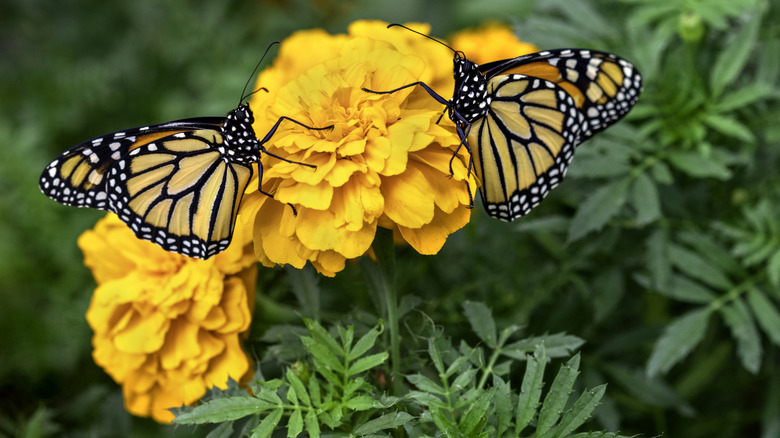
It's frustrating to find sticky residue or tiny pests crawling on your herbs, but marigolds are a colorful protector for your rosemary plants. They're tough enough to grow in USDA Hardiness Zones 2 through 11, and they typically stay bright until the first hard freeze of the year. They're effective because they produce a specific scent that many annoying insects find repulsive. Having them in the same garden bed helps keep away beetles and whiteflies that might try to damage your rosemary plant. French marigolds work really well because they have a stronger odor than other varieties, which keeps those flying pests away from the plants.
Part of learning how to care for your rosemary herb plant involves knowing how to keep the bad bugs away while inviting the beneficial ones in. Predatory insects like ladybugs and hoverflies are attracted to marigolds and spend their time eating the pests that try to move in. Some varieties even work below the surface by releasing a chemical called alpha-terthienyl from their roots. This substance stops harmful microscopic worms, known as root-knot nematodes, from attacking the roots of your plants. This underground defense continues to work for several months, even after the flowers have finished blooming. By using these natural defenses, you can avoid using synthetic sprays, keeping your rosemary clean and ready to use for cooking.
How marigolds build better soil for visiting butterflies and birds
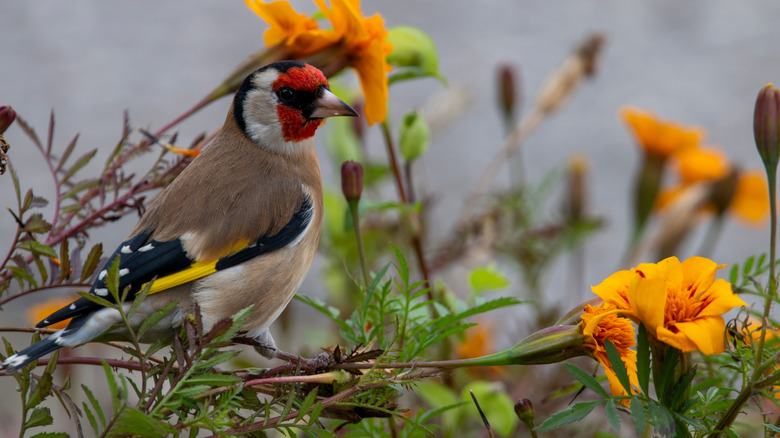
High-quality soil is the secret to a garden that draws in butterflies and birds, and marigolds do a lot of the heavy lifting, making your backyard inviting for visitors. They're famously easygoing and will grow well in the same sandy or dry spots where rosemary thrives. Because they're quite drought-tolerant once they've established their roots, they won't compete with your herbs for every drop of water during a hot summer. This makes sure your marigolds stay healthy so they can keep producing the nectar that butterflies depend on. As the plants grow, their bushy leaves provide a bit of shade for the ground. This effect keeps the area cool for beneficial insects and prevents the soil from crusting over, keeping the area healthy for the birds that forage there.
When the growing season finally ends, you can chop the old plants up and mix them right back into the soil to keep the cycle going for next year's migration. This adds fresh organic material to the ground, feeding the tiny organisms that keep the soil ready for next spring. These decaying plants release nutrients, such as nitrogen and potassium, back into the soil as they break down, which helps fuel the next round of blooms. Their root systems also help break up compacted soil, improving drainage and creating tiny channels for air to move through. From guarding your herbs to rebuilding the soil, the many benefits of planting marigolds in your garden come full circle in the winter. If you leave the roots in place to rot, they act as a natural aerator that makes the soil much easier to work when you're ready to plant again for returning birds and butterflies.