

The Easy Way To Clean Your Bathroom Using One Handy Tool
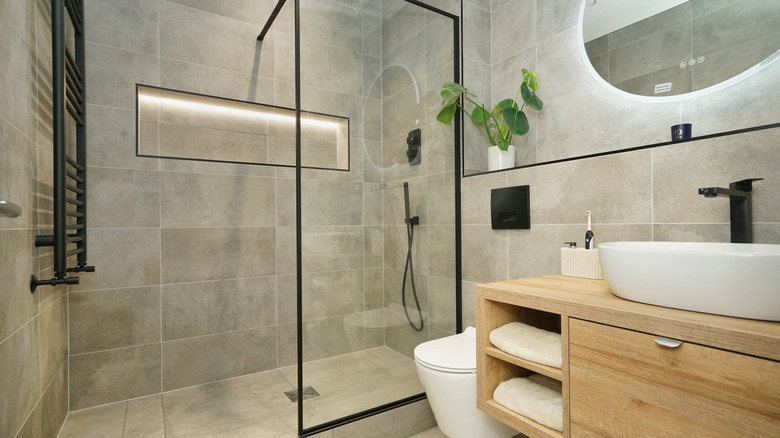
It's time to clear out your cleaning closet, and when it comes to cleaning your bathroom, versatility matters more than having every specialty cleaner on the shelf. Although steam cleaners aren't new technology by any means, they've recently grown in popularity. That popularity comes from how versatile these cleaning tools can be. By blending hot water with pressure, steam cleaners can be used to clean those hard-to-reach areas around your bathroom, whether that's nooks and crannies on your toilet or the grout in your flooring and shower. However, you can also use your steam cleaner for spots you may not have thought of, like faucets or even mirrors.
Before using a steam cleaner in the bathroom, there are a few important considerations to keep in mind. First, steam cleaners aren't safe for all materials. Porous or unsealed surfaces, laminate flooring, and similar materials aren't designed to withstand the moisture produced by steam cleaning. Each model can also differ, so always consult the manufacturer's instructions for guidance on cleaning, usage, and maintenance that is specific to your particular steam cleaner.
Mirror
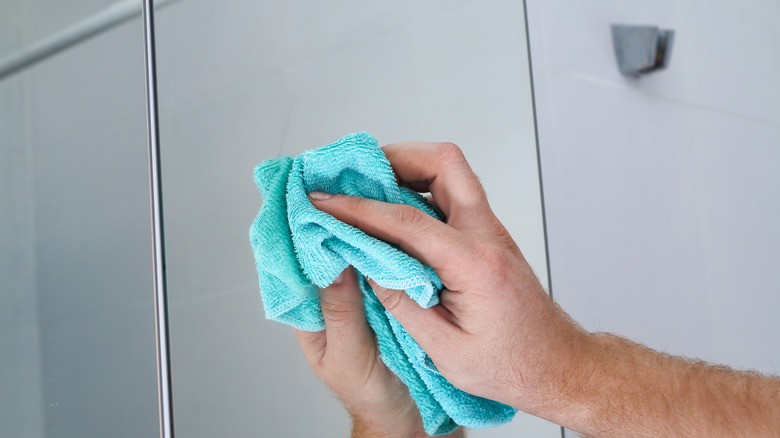
Between toothpaste, water spots, and even hair products, time and use can take quite a toll on your bathroom mirror. Fortunately, using a steam cleaner can save you much of the elbow grease that traditionally comes with removing that buildup, leaving a streak-free reflection. Just make sure you follow proper usage techniques and avoid steam cleaning mirrors exposed to extreme or rapidly changing temperatures, which can cause cracking. You won't want to steam-clean a mirror that may soon be exposed to cold temperatures since you're applying heat.
High-traffic areas
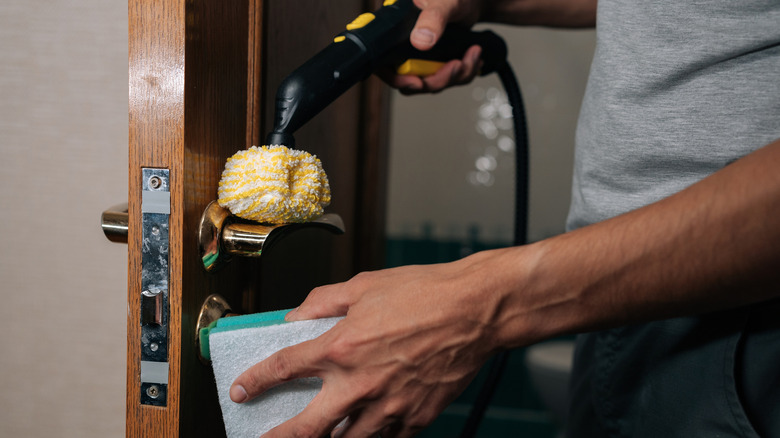
Steam cleaners aren't just useful for tackling visible dirt and grime; they can also be useful for disinfecting commonly overlooked things around your bathroom. Think about all the high-traffic areas in your bathroom that get touched regularly. Your steam cleaner can be used to clean many of those spots, including door knobs, drawer handles, or any pulls around your bathroom that may have gone overlooked during your last bathroom deep clean. After cleaning, make sure to safely wipe away any extra moisture to keep your hardware bright and shiny with no smears or streaks.
Baseboards
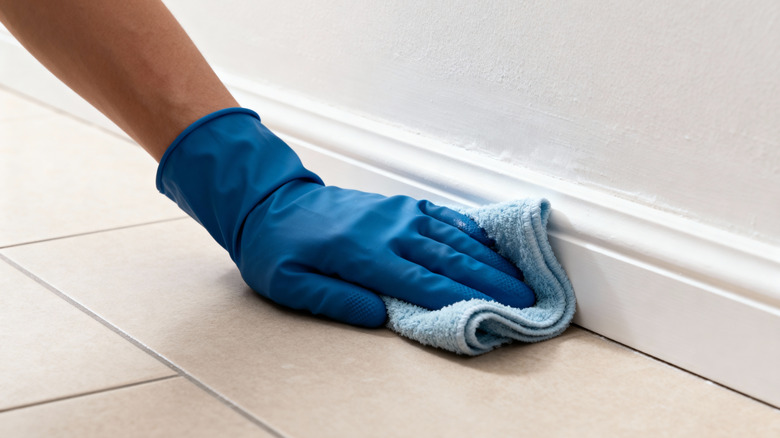
Are your baseboards looking a little under the weather? Cleaning baseboards can be a notoriously tedious task, one that involves bending and scrubbing to remove dust, hair, and anything else dampening the appearance of your walls. This is especially true in bathrooms, where baseboards can collect residue from hair spray, soap scum, and other products. On the bright side, you can also use your handy steam cleaner here to blast away grime and leave behind cleaner baseboards without the elbow grease needed for traditional cleaning methods.
Shower door
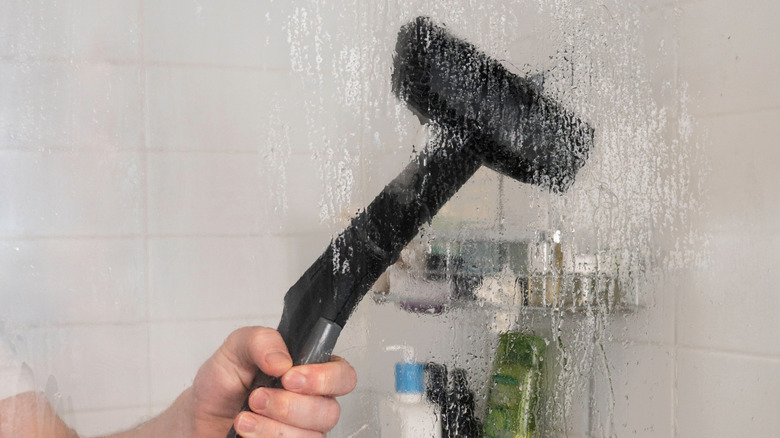
One of the biggest reasons that people are ditching framed shower doors is because of how difficult they can be to clean. Even frameless shower doors can develop hard water buildup that dulls the glass. A steam cleaner can be an effective way to tackle stubborn grime, as long as you follow the proper steps. For example, you'll want to be cautious with temperatures when working with glass, just like with your mirror. You also want to ensure you're using distilled water to prevent additional cosmetic blemishes.
Shower head
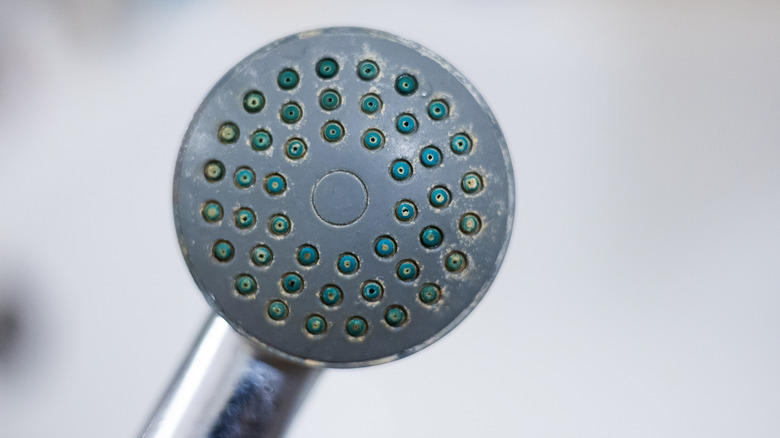
There are several signs that you need to clean your shower head, from poor function to visible buildup. While vinegar soaks are often used for deep cleaning shower heads, a steam cleaner can work well for regular maintenance. This quick touch-up helps keep your shower head clean between vinegar soaks. Because steam cleaners reach high temperatures, use caution when cleaning here: you don't want to damage your shower head, after all.
Faucet
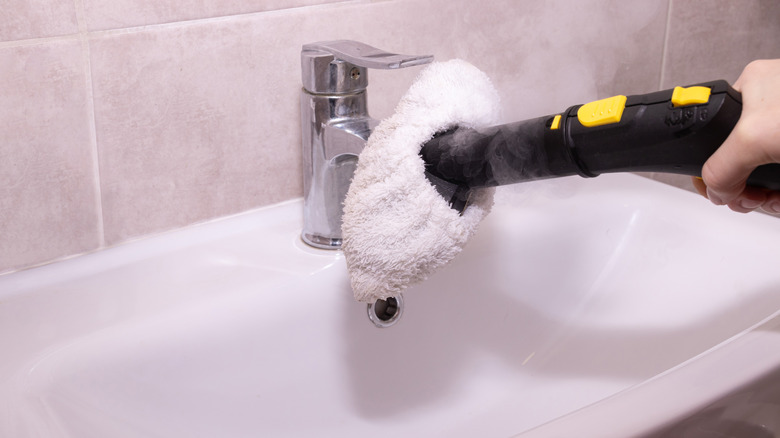
Your steam cleaner can often reach spots on sink and bathtub faucets that are difficult to access by hand. As a result, you can remove any mineral buildup from hard water without as much elbow grease. Any models that come with attachments especially shine here. This is because you can use the brush attachment on particularly stubborn stains, leaving faucets sparkling with no lingering odors or visible blemishes. As with shower heads, if your faucets have non-heat-durable parts, such as plastic, use caution and pay attention to your steam cleaner's temperature.
Flooring
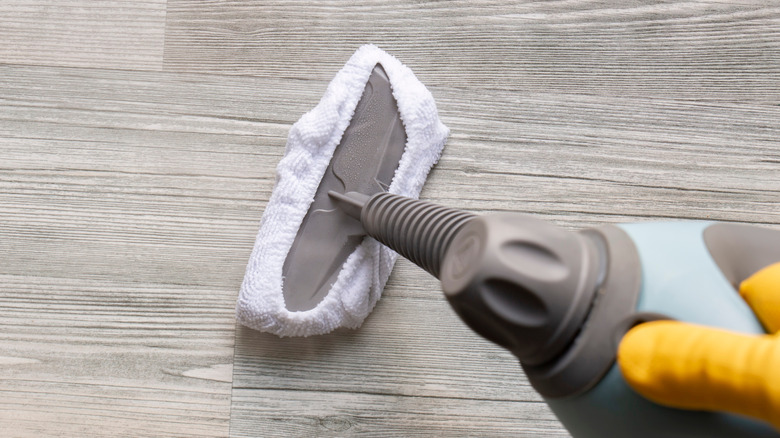
With an entire market for steam mops, steam cleaning is a popular pick for cleaner floors. However, you don't need to buy a separate tool for a chemical-free floor cleaning routine. Instead, while you're cleaning baseboards and shower features, you can use your regular handheld steam cleaner on bathroom flooring as well. If you have a larger bathroom, cleaning the entire floor by hand may be time-consuming, so opting for spot cleaning can be a more practical alternative. Just double-check beforehand that it's safe to steam clean your particular floor material. Not all floor types can hold up to the added moisture.
Walls
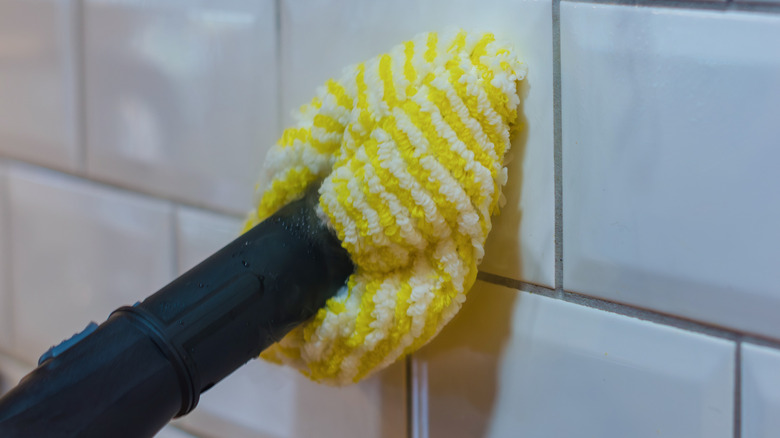
By steam cleaning your bathroom walls, you can reduce odors while also disinfecting unwanted bacteria. Using a soft cover helps clean large surface areas, while brush attachments make corners and other hard-to-reach spots easier to tackle. As with your flooring, you'll only want to use this handy tool if your walls have a compatible material. However, steam cleaning is a top choice for ceramic, glass, and porcelain tile, and it can also be used on many other popular materials.
Grout
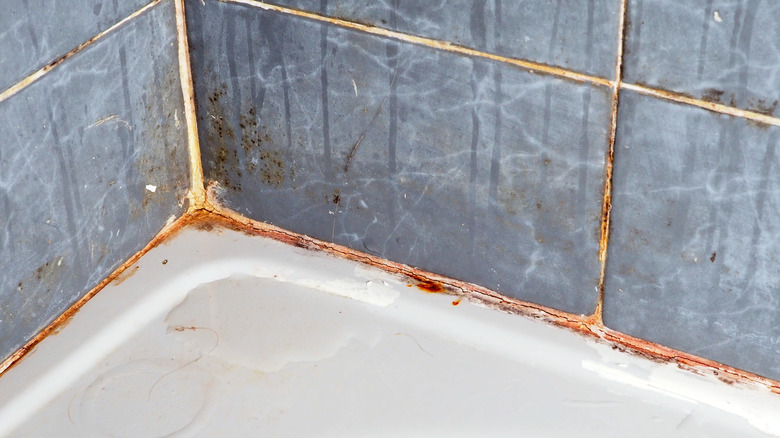
While cleaning your walls and floors, don't forget about the grout. Grout can be one of the most tedious areas to clean in the bathroom, thanks to small grooves that trap dirt and make scrubbing difficult. Fortunately, because steam cleaners rely on heated, pressurized water for that spotless finish, you don't need to worry about finding that perfect small brush to painstakingly scrub every inch of grout in your tiles. While steam alone may work in many cases, for additional scrubbing power, opt for a tool that includes various attachments.
Bathtubs
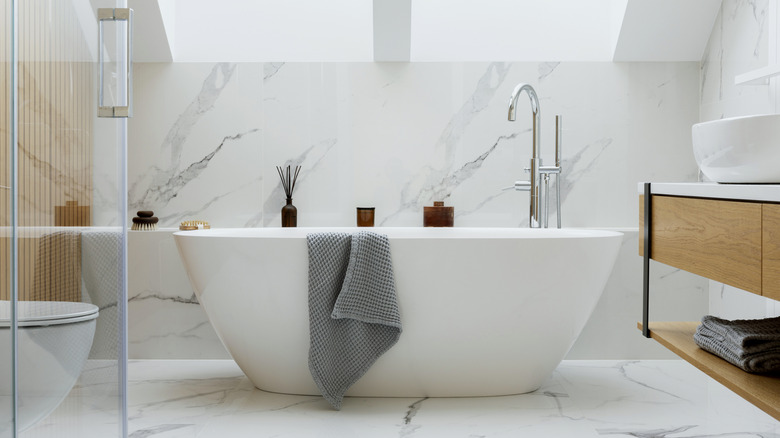
There's nothing better than settling into a warm bath at the end of the day. However, it can be difficult to relax if you feel your bathtub isn't clean enough. While you may still wish to employ your usual cleaning routine, a steam cleaner can be beneficial for any grime that products alone don't solve. Because of the high temperatures steam cleaners can reach, you can also use one as a last-minute, chemical-free disinfectant before drawing your bath.
Counters
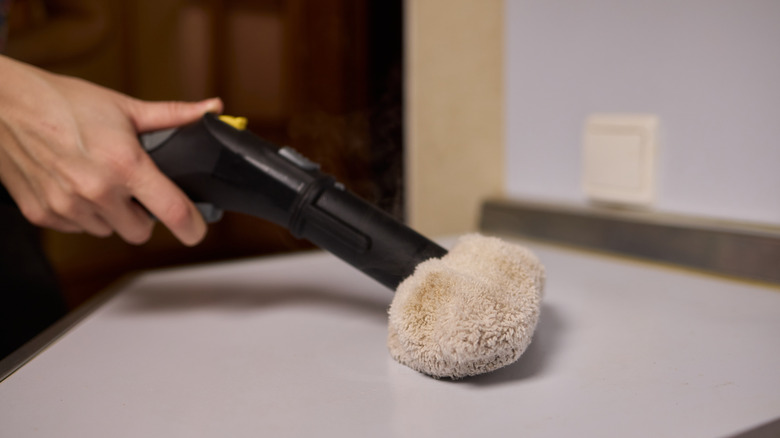
Your bathroom counters are the unsung heroes of your space, providing a functional surface for preparing your hair products, doing your makeup, and storing and displaying your favorite personal hygiene items. As a result, giving this area a deep clean can help keep everything looking and functioning smoothly, without spilled foundation or leftover toothpaste speckles. While a steam cleaner excels at creating a sparkling surface, keep the same rules as flooring in mind: not all materials will respond well to the abundance of moisture that this handy tool relies on for a spotless clean.
Sink basins
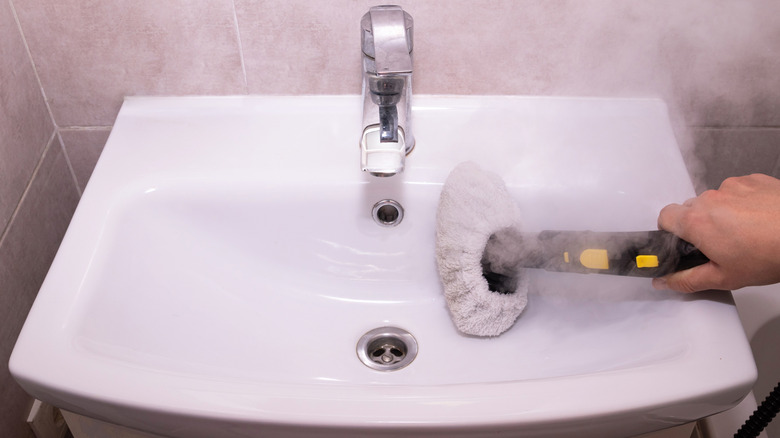
Bathroom sinks are a hotspot for bacteria. After all, you brush your teeth here and wash your hands. Add in moisture from running the faucet and anything left over from your morning care routine (hello, toothpaste), and you have a sink in desperate need of a deep clean and disinfection. When steam cleaning your sink basin, pay attention to all the small nooks and crannies that may be hiding unwanted germs. This includes the lip of the counter as well as areas around the drain.
Toilet
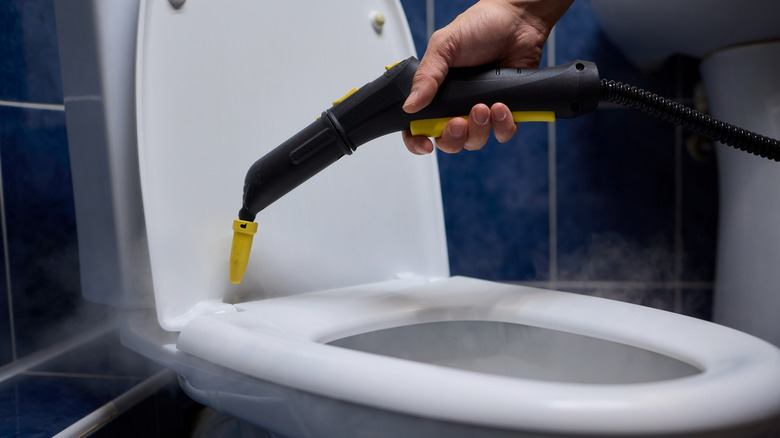
Surprisingly, toilets aren't the dirtiest spot in your home. However, that doesn't mean you'll want to skip them when trying out your new steam cleaner in the bathroom. Your steamer can get into the difficult-to-reach areas of your toilet, disinfecting and deodorizing. As an added bonus, you can clean both the inside and outside of your toilet with a steam cleaner. Try cleaning around the joints of the toilet seat and the pedestal, as well as other areas you may not think of at first.