

The Biggest Mistakes That Are Keeping Owls Away From Your Yard (And How To Fix Them)
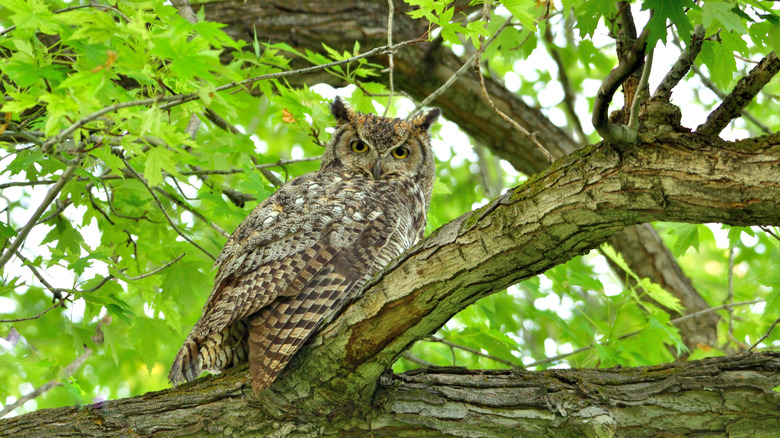
Owls are undeniably majestic creatures. They have giant eyes, an old-soul face, and a vibe that says they know your secrets but won't tell. Who wouldn't want owls in their backyard? But even if all this fails to win you over, there is another reason why you might want to entice these fascinating birds of prey into your garden: rodents. Rats, mice, and voles are a big part of their diet, as are shrews and non-rodent moles on occasion. If you have owls regularly visiting your yard, they are likely helping to keep pest numbers in check. The problem, though, is that owls are cautious creatures. You want to keep your garden clear of anything that might make them feel exposed or scare them off — for instance, bright night lights, noise and heavy foot traffic, and shiny, reflective surfaces.
Owls are nocturnal, and as such, they're timid and secretive. If you turn your yard into something that resembles a sports stadium, with bright, all-night lighting, they're unlikely to visit. Plus, owls take advantage of the darkness to sneak up on and catch their prey. When you have lights on all night long, it makes them less efficient; therefore, they'll avoid your yard. Similarly, shiny objects that create reflections, such as garden mirrors, repel owls, which hunt alone. They may perceive their reflection as competition and leave to look for less-crowded hunting grounds. Lastly, shy, easily startled owls prefer open areas and will avoid anywhere noisy or busy.
Fix the mistakes that are keeping owls from your yard
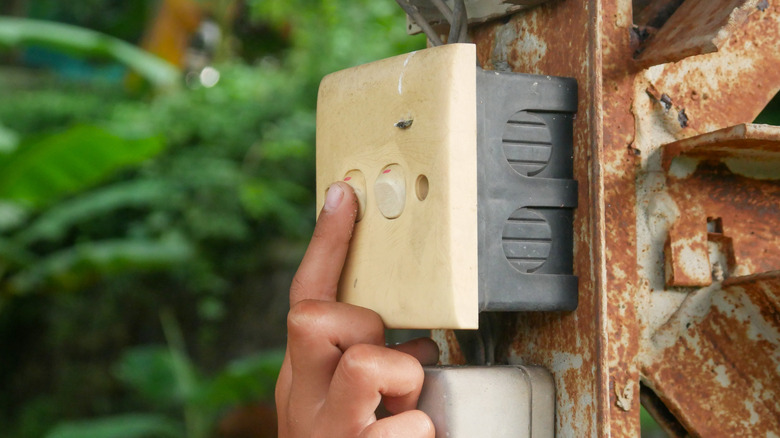
Let's start by talking about the lighting installed in your garden. Even though owls are put off by light pollution, it does not necessarily mean you have to completely black out your whole property. You just need to make your lighting targeted and temporary. Point your outdoor lights downward. If they're immovable, fit a shield over the top of the fixture to redirect the light. This will reduce skyward glare and affect flying owls less. You can also use dim bulbs or install motion sensors so the lights only come on when needed. Plus, if the sensors are directed correctly, they won't turn on because of birds flying overhead, keeping unwanted activations to a minimum.
To reduce noise and interference, establish no-disturbance zones near any owl roosting or nesting spots in your yard. Keep late-night activities, like gatherings with loud music, to a minimum and bring pets indoors at night. In addition to darkness, owls also rely heavily on keen hearing to hunt their prey. Loud noises may disrupt their ability to identify prey, and they'll wing it from your yard. Lastly, you need to address any reflective surfaces, which are often used by gardeners to deter bird and mammal pests. Replace shiny repellers with other fixes. For example, you can use eco-friendly stinky sprays or net your most-eaten plants. Don't let your trash pile up, and reduce the places where overwintering pests like to hide.
Attract owls to your yard the right way
Fixing the issues that keep owls away from your yard is only half the battle. If you want owls to visit your yard, you also have to make sure you create a friendly environment for them. First, however, consider if your yard is a safe place for owls. For example, if you live near a busy main road, you risk visiting owls getting hit and injured, often fatally, by speeding vehicles. Similarly, if you use any amount of rodenticides and insecticides in your garden, don't try to attract owls. Consuming poisoned prey can make them sick or kill them.
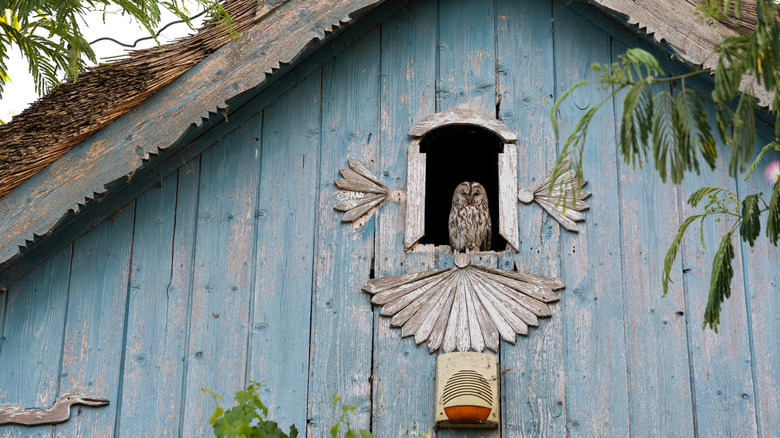
If you are sure your yard is safe, you can create some shelter for visiting owls, such as cozy nesting sites. Maybe hang a nesting box from one of the trees in the yard and fill it up with leaves and wood shavings. Perhaps craft safer and more comfortable perches in your yard — no spiked fencing or trees with big thorns.
Adding a reliable water source to your garden can also help attract owls. This could be something as simple as installing a birdbath in a quiet, calm, and clear area of your yard. Just make sure to refresh the water often. Stagnant water is more likely to harbor diseases that can make owls sick. Now, all that's left is to sit back and watch the owls flock in from a stealthy window. When you see an owl you don't recognize, use one of these free apps to identify the bird in your yard.