

Juicy Fruit Seeds To Start Now For An Earlier Spring Harvest
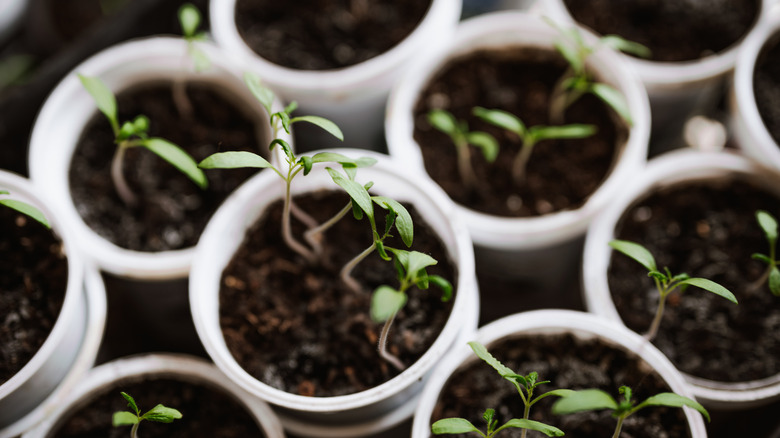
Just because it's cold outside doesn't mean you can't sow seeds! Now is the perfect time to plan the garden of your dreams. With indoor seed sowing, you can effectively beat the seasons by growing healthy seedlings ahead of the last frost date. That way, when the frost is gone, you'll have mature plants ready for transplanting. Leafy greens and herbs aren't the only plants you should sow now — juicy fruits also appreciate a head start on the growing season. Think of the sweet, sugary flesh of a strawberry or the luxuriously soft flesh of a ripe cantaloupe. Start their seeds now, and you'll have plenty of fruits to enjoy from spring through fall.
To sow seeds indoors, you'll need plant pots, trays, potting soil, a seedling heat mat, and natural sunlight or grow lights. You'll also want a water source nearby for watering the seedlings. Last but not least, you'll need seeds of your choice. Choose your favorite fruit varieties, or go for classic cultivars that are tried-and-true. Be sure to select varieties that thrive in your region. These materials shouldn't break the bank, and you don't need to buy new materials annually. Reuse your trays and pots from last year, or try this paper towel hack to make starting seeds for your garden even easier.
Strawberry
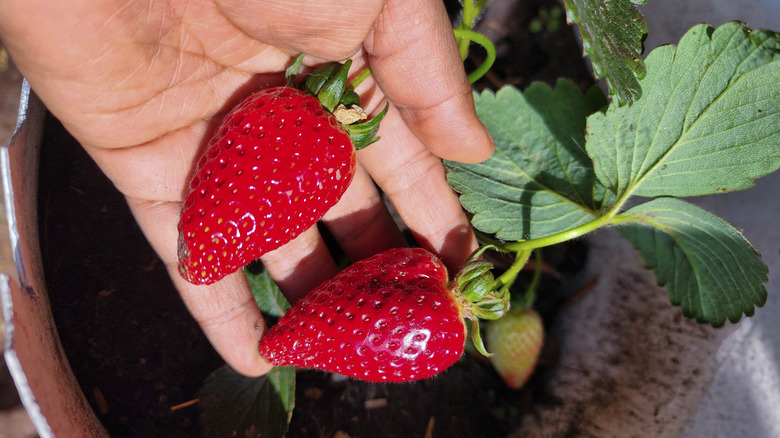
Strawberries (Fragaria) delight the home gardener with fresh fruit each year. They're perennial, meaning the plants live year to year and produce fruit each spring, summer, or fall. Most gardeners purchase strawberry starts at the store in spring, but you can sow seeds now for an earlier harvest! You won't have to wait for spring plants to arrive at the nursery. Germinate strawberry seeds as soon as possible in medium-sized pots, then let them hang out indoors until the ground thaws. The more time they have to grow, the earlier you can expect to harvest fresh strawberries.
Ground Cherry
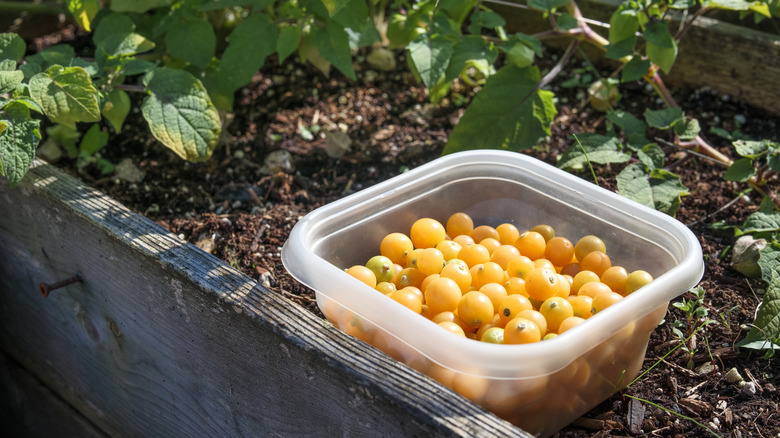
The ground cherry (Physalis pruinosa) is a sweet tomato alternative that's easier to grow. Its fruits resemble tomatillos with paper-like wrappers. Under the wrappers hide orange "cherries" with a special flavor. They're tart, slightly sweet, and unlike any other fruit you've had. The plants need around 65 days to mature from seed to harvest, but they're frost-tender. Rather than waiting, start seeds indoors 6 to 7 weeks before the final frost. You'll have mature plants ready for transplanting after the frost date, rather than having to wait for seedlings to mature in spring.
Watermelon
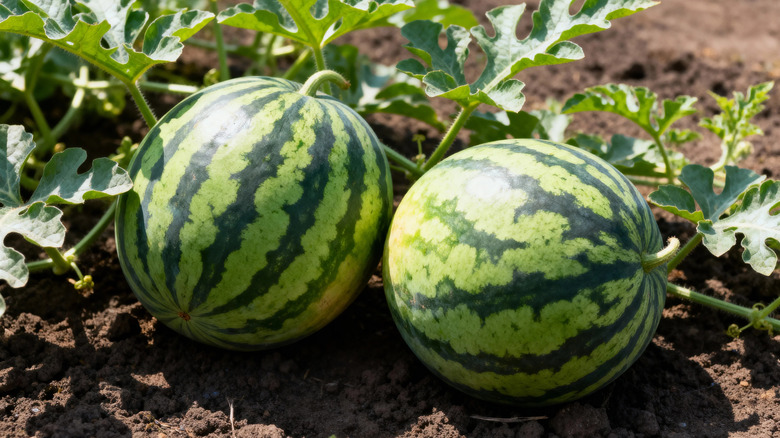
It's better to sow tasty watermelon (Citrullus lanatus) crops directly in the ground than in pots. The plants have sensitive roots that take time to recover if they're damaged. The exception is for growers in regions with short summers. Watermelons germinate when the soil is 70 degrees Fahrenheit or higher. You'll have to wait for the ground to warm up to that temperature when direct sowing. When transplanting, all you need to do is harden off the seedlings and plant them when the soil is 65 degrees Fahrenheit or higher. You'll get a head start on spring watermelon production by sowing seeds now.
Melon
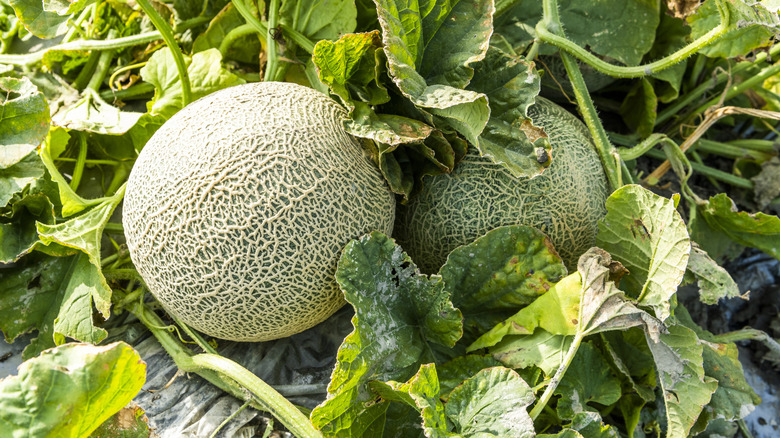
Melons (Cucumis melo) offer a wealth of options to choose from — there are cantaloupes, honeydews, muskmelons, and winter melons, all with different flavors, textures, and appearances. What they all are is juicy and deliciously sweet! Melons, like watermelons, benefit from direct sowing. They need less time to mature than watermelons, though they still require a head start in gardens with short summers. Sow seeds indoors 2 to 4 weeks before your final frost. Wait for the seedlings to grow 2 or more true leaves, then check the soil. You can safely transplant them once it's 65 degrees Fahrenheit or higher.
Cucamelon
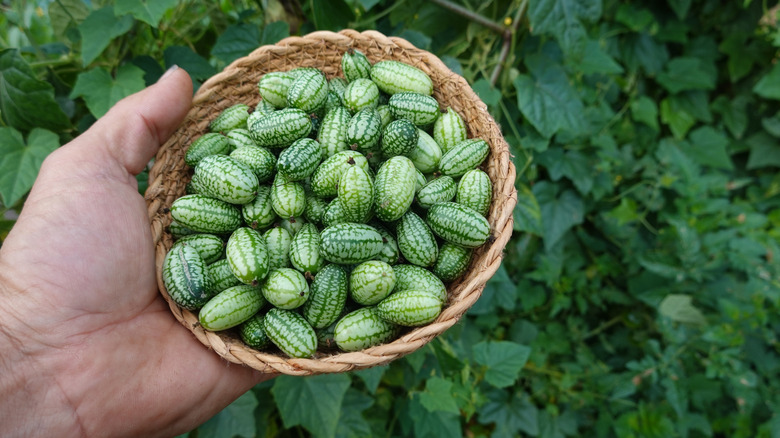
Have you ever heard of cucamelons (Melothria scabra)? These unique fruits sprout from trailing or climbing vines. The small, oblong cucamelons taste like a mix of cucumbers and melons. They're perfect for snacking, and their tart flavor and thin skin make them perfect for use in fruit salads. Like both cucumbers and melons, cucamelons are frost-tender. Where summers are short, you may not get fruit from the vines if you direct sow seeds outdoors. Instead, plant seeds 4 to 6 weeks before the last spring frost, then carefully transplant the seedlings after the date.