

The Best Types Of Ornamental Grasses To Hide An Electrical Box Eyesore
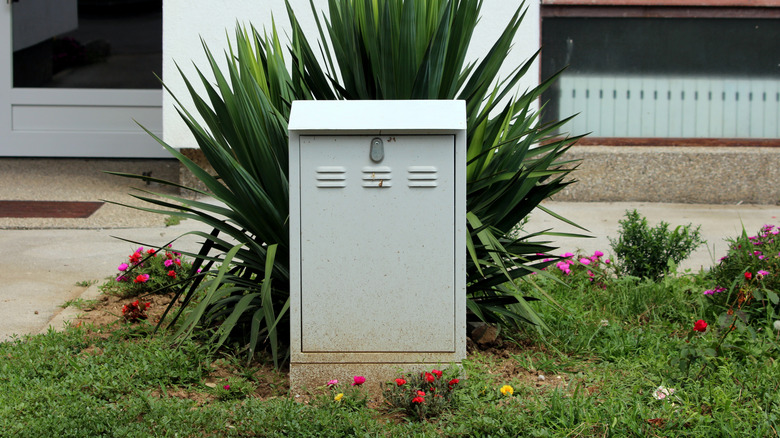
Electrical boxes can turn a beautiful garden into an industrial area. They're eyesores that distract from the natural beauty. Rather than leaving these boxes exposed, one superb way to camouflage them is with ornamental grasses. Grasses are an excellent choice because they're hardy and easy to grow; they require little care and maintenance compared to other, higher-maintenance perennials and shrubs. They block the view of unwanted landscaping features while adding ornamental interest. At the end of the growing season, the grasses' seed pods dance in the wind, making a soft, lovely rustling sound. These are just some of the many advantages of growing ornamental grasses in your yard and garden. Native grasses like blue grama or prairie dropseed and pretty exotic options like Japanese silver grass cultivar 'Zebrinus' or feather reed grass cultivar 'Karl Foerster' can all work as attractive cover.
The right ornamental grass for your needs depends on the size of the electrical box you want to disguise. It's also influenced by your garden design preferences. Some growers may want structural, all-green grass species, while others may prefer showy cultivars with, for example, multicolored foliage and vibrant inflorescences. Add more texture and color by pairing two complementary cultivars together, or choose a single variety to fill the space for a streamlined look. Either way, the ornamental grasses will double as stylish natural privacy screens. The only wrong choice you can make is regarding growing conditions — you need to select the grass species and cultivars that grow well in the soil and light around your electrical box and in your USDA Plant Hardiness Zone. If conditions are particularly poor or ill-suited to a species you love, consider container-grown grasses.
Choose the right ornamental grasses for the conditions around your electrical box

Before shopping for grasses to plant, take note of the soil type, light levels, and landscape around the electrical box. In bright, dry locations, choose drought-tolerant grasses that like full sun. The dry-soil–loving blue grama (Bouteloua gracilis) or prairie dropseed (Sporobolus heterolepis), two U.S. native grasses, will disguise a small or medium box — between 2 and 3 feet tall. They sprout dainty, decorative inflorescences that rise above the grass blades in summer and fall. Don't trim these displays; leave them standing to embrace the low-maintenance winter garden trend that's perfect for lazy gardeners.
For tall electrical boxes in sunny sites, Japanese silver grass (Miscanthus sinensis 'Zebrinus') is a good choice, particularly if you're looking for interesting foliage. It boasts yellow and green variegated leaves that shine in the sunlight. Watch out for seedlings, though, as the grass's seeds can spread throughout your yard. Though not listed as invasive, this plant is considered aggressive with invasive tendencies.
Shady sites are a bit more troublesome to plant. Most grasses need some light during the day — at least three hours of daily direct sunlight even in partial shade. Consider 'Karl Foerster' (Calamagrostis x acutiflora 'Karl Foerster'), a feather reed grass cultivar. It works well for both tall and short electrical boxes because its leaves grow up to 3 feet tall but its flowering stalks can reach 6 feet. It'll grow in full sun or partial shade but needs regular watering until mature. In dry, shady sites, plant blue fescue (Festuca glauca) or blue oat grass (Helictotrichon sempervirens). These plants will grow slower in the shade than they do in full sun, but their low water needs help them survive even drought-like conditions.