

Florida Garden Centers Are Selling Invasive Plants: Here's What To Avoid
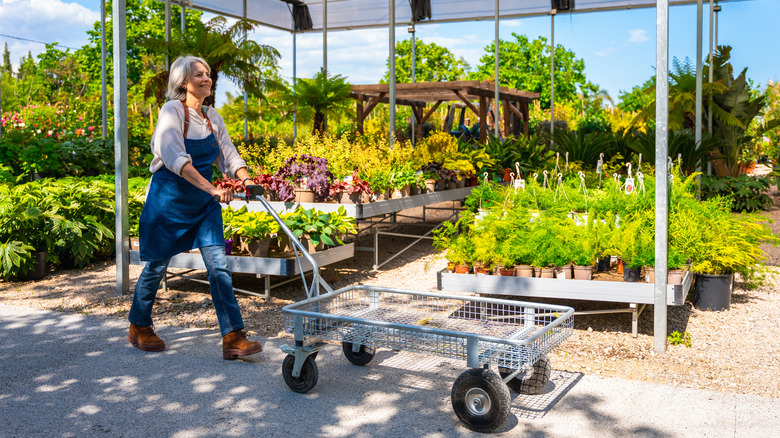
Stopping by the garden center on a weekend is a great way to pick up something new for the yard, but it's surprisingly easy to walk out with a plant that ends up being a headache. Florida garden centers are selling invasive plants that can quickly escape your property and cause real problems for the local environment. Even at big box stores, species like the asparagus fern (Asparagus aethiopicus) are famous for spreading way beyond where they were planted and outcompeting native species. Asparagus fern is not actually a fern, but a plant in the lily family that grows bright red berries that birds eat and drop elsewhere. Once it settles in a new spot, its thick roots take over, making it difficult for anything else to grow. Many people assume that if a store sells it, it must be safe, but retailers often prioritize profit and popularity over the health of the local ecosystem. To keep your yard from spreading these problems, avoid buying to plant in your yard include the asparagus fern, lantana (Lantana strigocamara), pothos (Epipremnum aureum), water hyacinth (Eichhornia crassipes), Madagascar periwinkle (Catharanthus roseus), wandering dude (Tradescantia zebrina), water snowflake (Nymphoides hydrophylla), and the mimosa tree (Albizia julibrissin).
You'll often see these plants labeled as hardy or fast-growing, which can be a red flag for a species that's invasive. Since Florida stays warm almost all year, these plants never go dormant, which lets them easily crowd out native plants. Knowing how to identify an invasive plant is important because stores generally aren't required by law to stop selling every invasive plant unless it specifically makes the state's prohibited list, so it's up to the person shopping to know what they're bringing home. A plant might look small and harmless in the store, but once it gets in the ground, its ability to drop thousands of seeds or send out runners makes it a major problem for the woods and wetlands nearby.
Buying these common garden center plants may harm the Florida environment
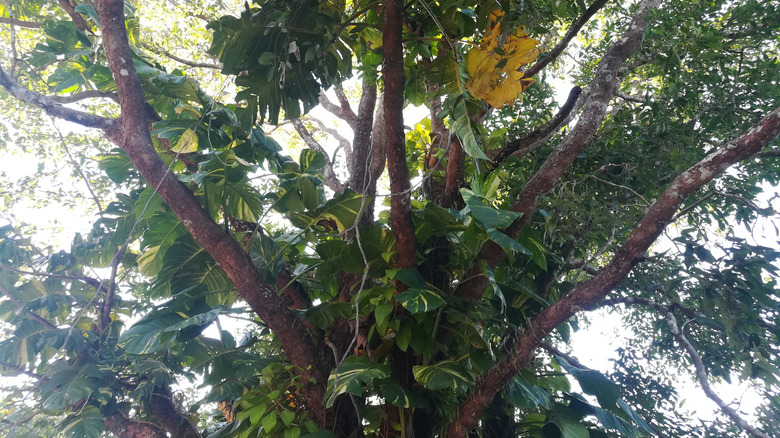
One of the most common plants to avoid at the nursery is lantana – it has those iconic colorful flowers, but this shrub produces seeds like crazy and can easily take over nearby wooded areas. It also tends to cross-breed with the native Florida lantana, which eventually wipes out the local version of the plant. These shrubs are also toxic to pets, livestock, and children, and can cause skin irritation in humans if handled without gloves. You'll also find pothos sold everywhere as an easy houseplant. While it's harmless when grown inside, it turns into a massive vine if planted in the soil outside. It can climb straight into the trees, smothering them and making branches heavy enough to break. Its leaves can grow upwards of 3 feet wide in the wild, blocking sunlight from the tree's own foliage and leading to a slow decline of the tree canopy.
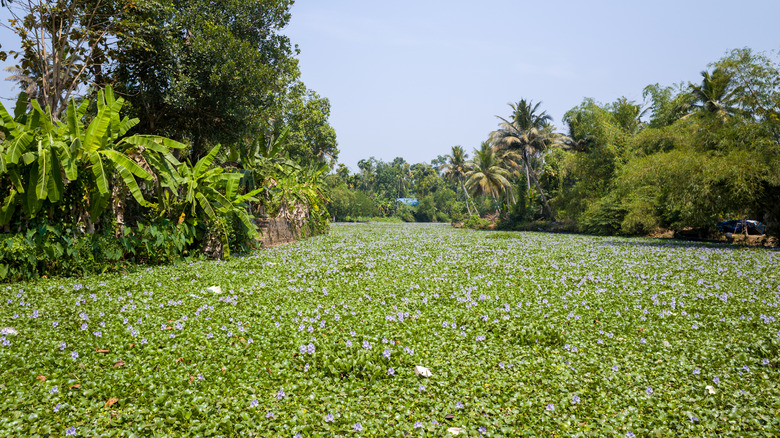
If you have a pond, you should stay away from water hyacinth. This floating plant grows incredibly fast and can quickly take over a whole canal, blocking out sunlight and making it hard for fish to survive. Decomposing hyacinth mats also deplete oxygen levels in the water and can physically obstruct boat engines and drainage systems. Even the Madagascar periwinkle (Catharanthus roseus) is a sneaky spreader. It drops seeds so fast in sandy soil that it can push out the native wildflowers that local bees rely on. This plant is particularly difficult to remove because it grows a deep taproot and can withstand extreme droughts that kill off more beneficial native species. Knowing how to safely remove invasive plant species is important for anyone who lives in Florida.
Choosing native alternatives helps protect your local Florida ecosystem
Groundcovers like the wandering dude are often sold as a quick fix for shady spots, but they can easily turn into a thick mat that smothers your other plants. This species is difficult to manage because every piece of a broken stem can take root and start a new plant, making it nearly impossible to pull out by hand without it returning. In wet areas, the water snowflake does something similar by covering the water's surface, which makes fishing or boating a lot harder. These floating mats grow so dense that they trap heat in the water, which can kill local aquatic life by disrupting the natural temperature balance. Trees can be problematic as well. The mimosa tree (Albizia julibrissin) is popular for its pink, fuzzy flowers, but it's a major self-seeder. Its pods drop hundreds of seeds that sprout in ditches and woods just as easily as they do in your flower beds. These seeds can stay viable in the dirt for up to 50 years, meaning even if you cut the parent tree down, you'll be pulling up new saplings for a long time.
Some people wonder if all non-native plants are considered invasive, but the distinction lies in whether the plant causes harm to the environment. By picking native Florida plants instead of these aggressive spreaders, you can support the birds and butterflies that live in your yard. Checking the scientific name on the tag before you buy is the best way to make sure you aren't bringing home a plant you'll regret later. Instead of wandering dude, for groundcover, try Ohio spiderwort (Tradescantia ohiensis), another leafy vine with beautiful blossoms. If you have your heart set on a colorful flowering tree, try the native flowering dogwood (Cornus florida) instead of a mimosa tree. There are plenty of native options that can keep your garden both stunning and healthy year-round.