

15 Telltale Signs It's Time To Replace Your Kitchen Cabinets

Kitchen cabinets represent a vital part of the home. They provide important storage space, keeping items organized and stopping it from feeling too cluttered. They also help control the flow of the room and contribute to the beauty and design of your home. In addition to providing storage and contributing to aesthetics, cabinets also play an important role in keeping pests away from food and protecting pipes and electrical work.
The lifespan of kitchen cabinets will depend on several factors. Better materials, such as solid wood, will likely last longer than particle board, even with proper upkeep. Installation can also factor into cabinet lifespans. Loose nails, flimsy hinges, and poorly fitting shelves can speed up wear and tear on cabinets. The climate of your home and location also matters to your kitchen. Humidity can warp wood and peel paint. Of course, proper cleaning and maintenance can keep cabinets looking better for longer, but deep cleans won't preserve them forever. So how will you know when it's time for new cabinets? Here are some telltale signs that it's time to replace them.
The cabinets are pulling away from the wall
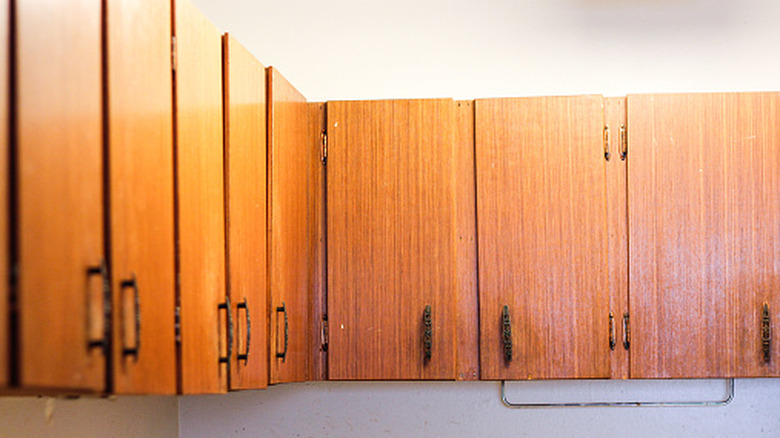
Savvy homeowners notice every change in their kitchen, especially when their cabinets start pulling away from the wall. You might first notice that the cabinets at eye level are sagging and seem to be falling forward. Even the items inside may be tilted or look as if they'll fall on top of you when you open the door.
Cabinets pulling away from the wall should first be checked for weight issues. It might be as simple as moving food and utensils around in your kitchen to redistribute the weight. You can also try tightening screws or drilling in new ones to reinforce the units. But when many cabinets have this problem, it's usually a sign of age, a problem with no quick solution. The best course of action is likely to replace the cabinets before they fall and cause an even bigger problem.
Drawers won't close and are sticking together
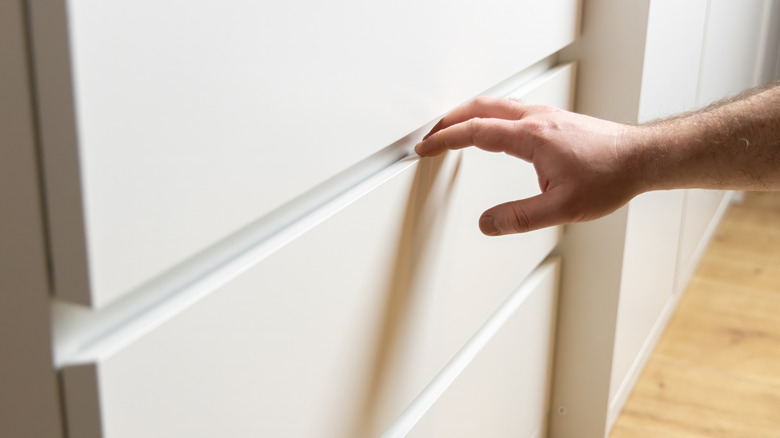
Few things are as frustrating as a kitchen cabinet drawer that just won't close or sticks. It leaves the kitchen looking messy and cluttered. Open gaps allow for pests to slide right in and make a home among your utensils. They can also disrupt the flow of the kitchen when cooking. After all, if it's a tough task to open a drawer and grab a spatula, then how long before you just take everything out and stop using it entirely?
Cabinet drawers often become warped over time due to normal wear and tear. You can wipe down the tracks where your draw slides up and down to make sure debris isn't slowing everything down. The same goes for what's being stored in the drawer. If there's too much stuff, it will cause problems opening and shutting the drawer. In some instances, you may be able to tighten a few screws, but if problems persist with several of your drawers, then it will be better to replace the whole cabinet system.
The shelves inside are sagging and have warped shapes
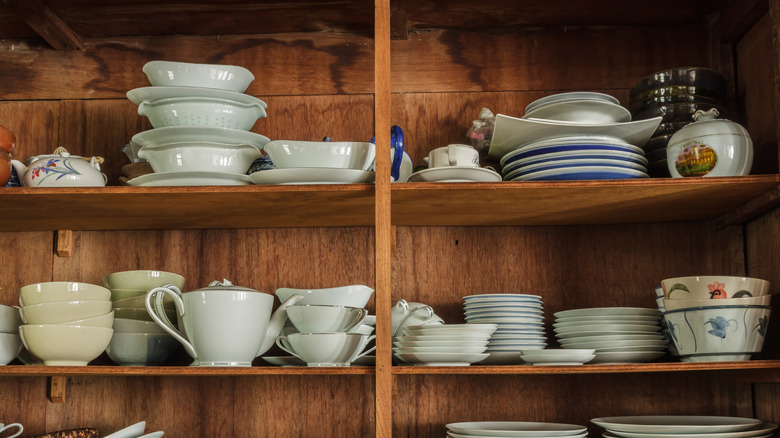
Cabinet shelves form the interior structure of the cabinet. When they sag or become warped, they run the risk of collapsing entirely. This could damage other parts of the cabinet or lead to the whole thing falling. It could also cause a huge mess inside, spilling food, breaking dishes, and damaging anything else you're storing in it.
To check the integrity of your shelves, open your cabinets and look at how straight the shelves are hanging. If any of them are sagging or no longer hang straight across, they should be replaced. Fixing one or two shelves may be possible, but replacing all of them may not be worth it. You might end up with shelves that don't fit well in your cabinets or cannot be set at the right height. In these instances, it would be easier to simply replace the cabinet units.
Broken or loose hinges require a delicate touch
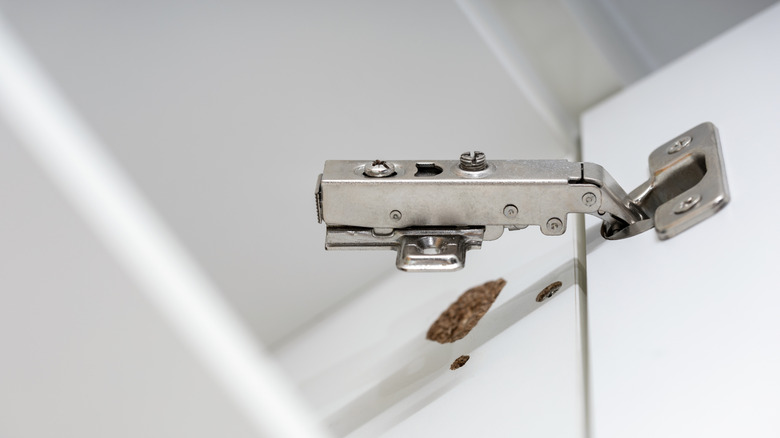
A broken or loose hinge on a cabinet makes you question every decision you make while cooking. How badly do you need that seasoning if it means spending 10 minutes trying to reattach a wobbly hinge? When this happens, homeowners often develop a very methodical way to open the cabinet without causing the door to completely fall off. This can bring the flow and functionality of the room to a grinding halt.
Loose hinges can be tightened if you have the tools. They can also be replaced if you have decent DIY skills. But if the same cabinet hinges have this problem again and again, then it's time to assess how much time you're spending on this work. Replacing a broken hinge now and again may be doable, but if hinges keep breaking, it might be a sign that the cabinets have reached the end of their lifespan.
You found mold under the sink and in other cabinets
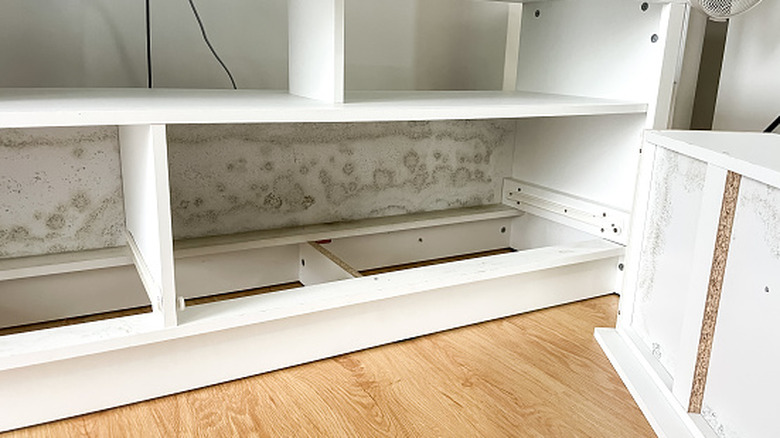
Mold can come from leaky pipes, such as those under the sink, or spilled liquids that were never cleaned properly. When it shows up, it can cause a number of problems. Mold can eat away at the cabinets and damage their integrity. This puts your family at risk, as rotted wood can collapse and potentially fall on someone. Mold can also cause health issues if anyone in your home is allergic. For anyone trying to sell a home, mold in the kitchen will be a hindrance until it's cleaned up.
Some small patches of mold can be removed with a proper cleaner. All leaky pipes should be fixed immediately. If some liquid has spilled in a cabinet, wipe it up as quickly as possible to prevent mold from spreading. If the problem is more extensive, then it won't be easy to remove. You might have to call in a professional to assess the situation or simply replace the cabinets. Once the new ones are in, there are clever hacks that can help you protect your kitchen cabinets from mold.
The paint is peeling off or bubbling
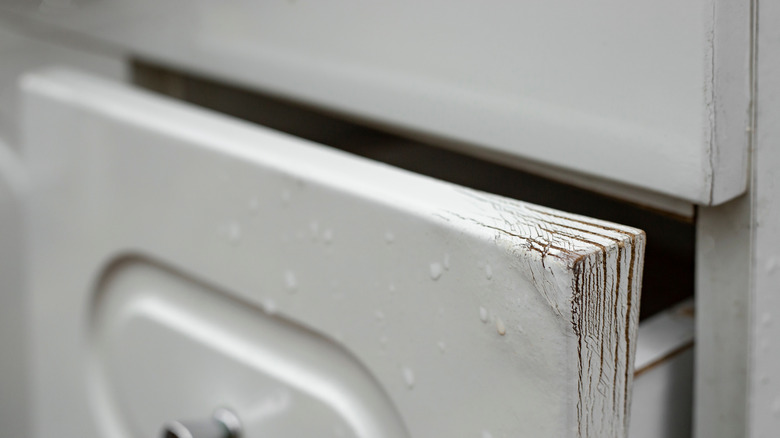
No set of kitchen cabinets stays in perfect condition forever. But when a few specks of peeling paint turn into large patches, then the problem is much bigger than aesthetics alone. When paint bubbling occurs, it's usually a sign of a humidity or temperature problem in the room. You may have a problem with ventilation, or you may not be running exhaust fans as often as you should. Of course, the environment can also factor in. But there's only so much a homeowner can do when the humidity outside is high.
The easiest solution would be to chip away at as much paint as possible and repaint as needed. Your local paint store may be able to help match the color of your cabinets if you bring in a sample large enough for them to copy. But too many touch-ups may be sucking up your time, and painting over paint bubbles will not help solve the bigger issue of why this is happening. In the long term, the options are either strip and repaint everything, which can be done in one day, or replace the cabinets. When you're looking for a new set, consider a more moisture-resistant material, especially if you live in a humid climate.
The cabinets are starting to smell
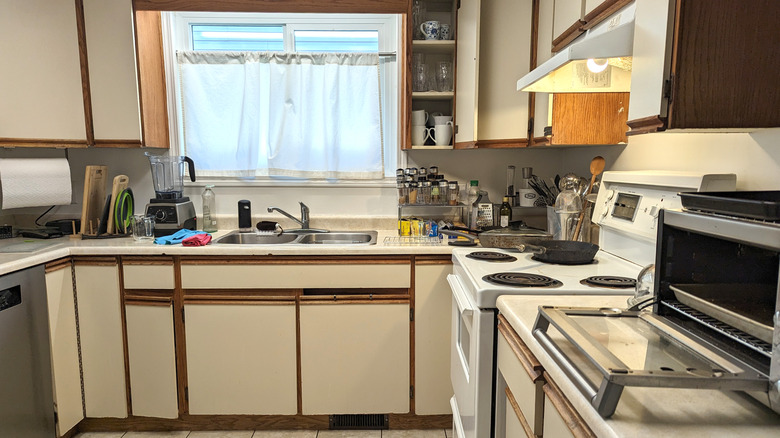
Even the best cooks leave smells behind. It's inevitable that cabinets trap and hold smells over the years of use. As they age, those smells can combine and turn sour or unpleasant, and they can stick to kitchen cabinets as if they're ingrained in the wood. This can make it difficult to cook and host. You might be unable to smell when your dish is ready, and the odor could give guests an unwelcome first impression.
Regularly cleaning cabinets can help mitigate smells and mask them for a while. A disinfectant multi-purpose cleaner can help kill the microbes causing the smell, but be sure to use one without a strong scent, or you'll be trading in one heavy scent for another. Wiping up spills and splashes on doors right away can also make a difference. If the smell persists, you can burn candles, use essential oils, or add a diffuser to the room. But after decades of use, that smell may be impossible to eradicate. When that happens, it's a sign that it's time to start shopping for new cabinets.
You noticed pest droppings and bad smells in cabinets
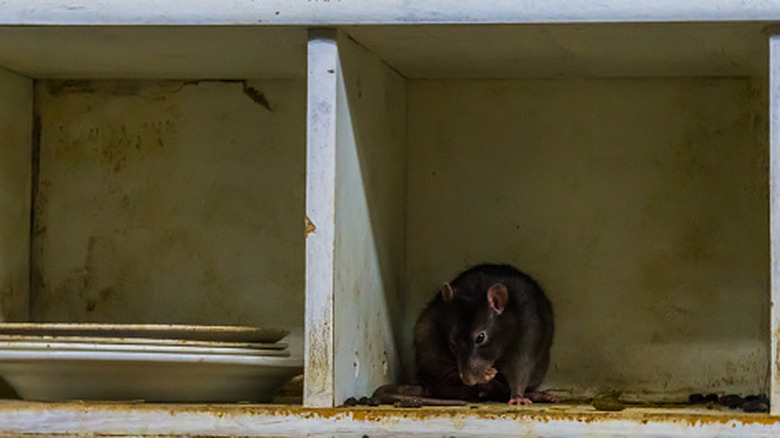
Not all odors in the kitchen come from years of cooking smells — good or bad! That foul smell in the kitchen may be coming from a pest infestation. Droppings and other messes left by mice, rats, and cockroaches can cause a terrible scent over time. You'll probably notice it when you open the cabinets to make dinner. Once these pests move in, it can be tough to get them back out and banish that smell for good.
Cleaning up the droppings is a good start. You'll want to use a good disinfectant, and you might also consider storing dry goods in canisters and jars. Mice especially love to eat through cardboard that typically holds crackers, cereals, and snacks. If the infestation remains, then you will want to call a professional as soon as possible to assess the extent of the problem. If there's damage to the cabinets and excess staining from droppings, it may be better to replace them and ensure the pest problem is eradicated.
Your kitchen countertops have gotten cluttered
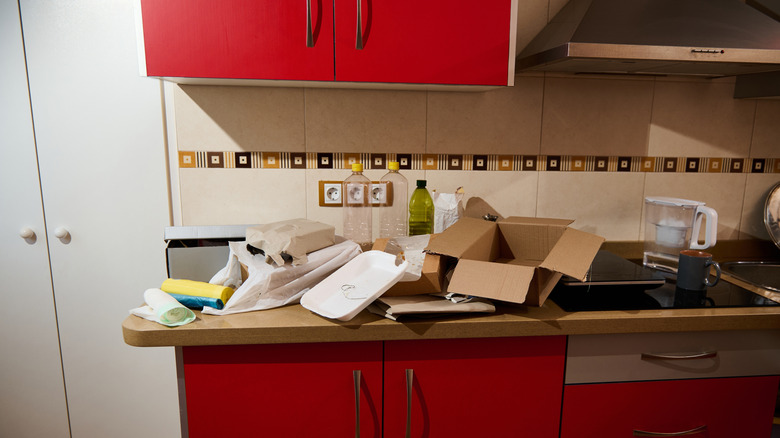
It's normal to keep some appliances out on your countertop. This makes it easy to reach for those you use daily to chop vegetables or fix a snack. But there's a big difference between keeping handy items within arm's reach and having to store food and small appliances in the open because the cabinets are full. When you have pots, spices, and even food all competing for countertop space, then it may be time to assess how well your cabinets are serving you.
You'll first want to go through your cabinets and throw out any food that has spoiled or is way past its expiration date. You can also take out tools, pans, and utensils that you no longer use and want to donate. There may also be decorative solutions that will help keep countertops clutter-free. Doing this work will not only free up space, but it will also help you see how much space you really have to work with in your kitchen. If that clutter isn't going away after cleaning out the cabinets, then you might not have enough storage to fit your needs. Look for free space where you can add useful storage. Could you swap your cabinets for taller ones that reach the ceiling? Or is there room to add a unit or two to each end of your current configuration? Then, shop for kitchen cabinet setups that take advantage of these opportunities and provide you with more storage space.
Your cabinet layout doesn't fit modern needs
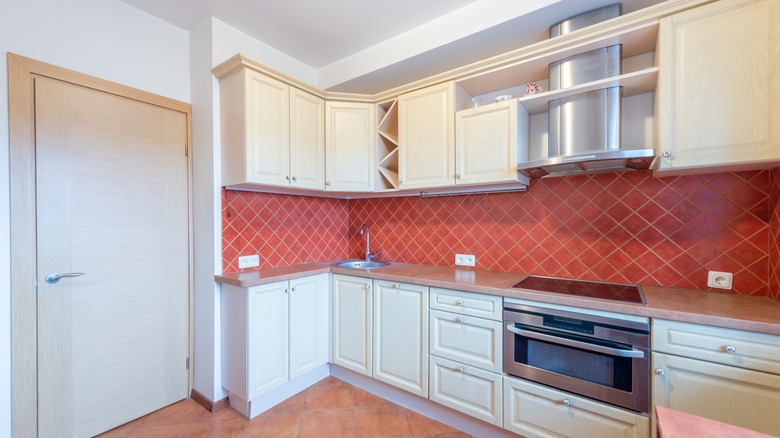
The layout that once worked for you when you moved into your kitchen may not work in the present day. Maybe you didn't have small children yet, so having reachable cabinets at ground level wasn't a concern. Or now that you have them, your children are always trying to open them, and those safety locks won't fit. Or maybe now you've been in your home for 20 years, and reaching those high cabinets is starting to get difficult. You could use a step stool, but that's creating more clutter that could pose a tripping hazard.
The layout of the kitchen heavily influences its flow and ease of use. It can also be difficult to change. The best solution may be to rip out the current cabinets and start from scratch. That will give you the time to plan for the present and think carefully about what a perfectly organized kitchen might look like in the future.
The storage layout doesn't fit well with your needs
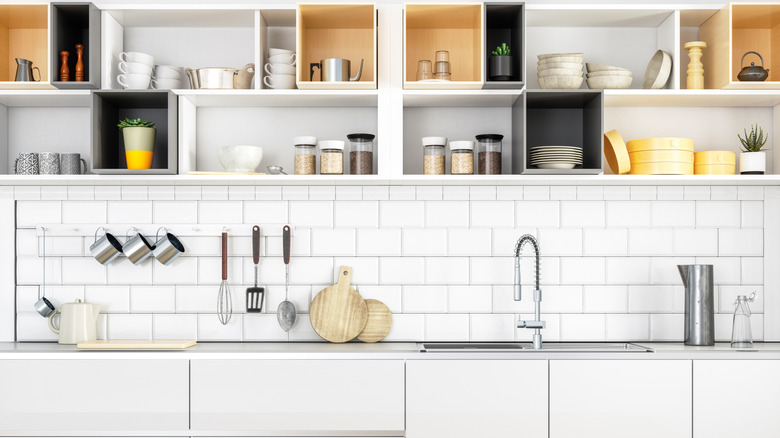
Storage needs, like layouts, change as people's lifestyles change in their homes. When you moved in, you might have liked all of the shelves and dividers in your kitchen cabinets and drawers. They made sense for the way you used the kitchen. But now that times have changed, those same shelves are now a nuisance, and the things you want to store don't fit.
Many cabinets have multiple fitted holes for shelves so that they can be moved up and down as needed. Some dividers in drawers can also be taken out. There are also standalone shelves, lazy susans, and drawer dividers that can be found at your local home goods stores, which can streamline storage in your kitchen. But if these components don't fit, or if your shelves aren't adjustable, then it's time to think about replacing the cabinets with something that fits your lifestyle today and into the future.
Cracks and scratches prevent door functionality
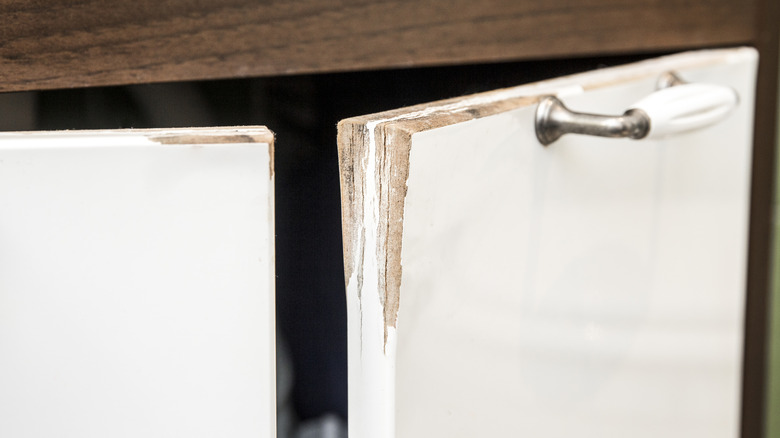
Even with the best care, cabinet doors can suffer cracks and scratches. Slamming old cabinet doors can cause them to crack, as can water damage if it's severe enough. It's also likely that you've bumped a cabinet while moving furniture through your kitchen. Over time, those chips, scratches, and cracks may get worse. In addition to looking bad, they might also stop doors from closing properly. This could make it easier for pests to squeeze their way inside.
Some small cracks can be repaired with wood glue. Scratches can be buffed out if they're minor or repainted if they've chipped the paint. There are also different ways to approach kitchen cabinet refinishing to hide these flaws. But these repairs will only get you so far. They may also be sucking up a lot of time and energy to fix if you're having to repair multiple surfaces. In that case, replacing the cabinets will be better in the long run.
Your appliances and fixtures are brand new
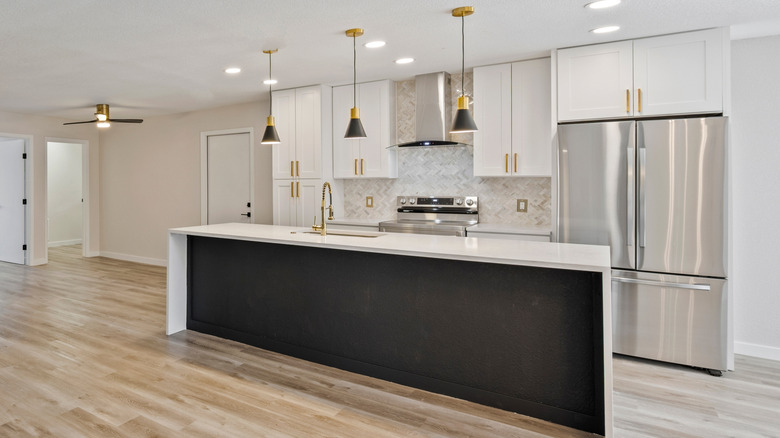
Kitchen renovations are rarely inexpensive, and they can be difficult projects to manage. Instead of fixing everything at once, many homeowners opt to replace appliances and fixtures, such as faucets and ceiling lights, as needed. This gives the space a refresh and improves kitchen functionality without committing to an extensive renovation. But this often leaves the cabinets looking outdated and old-fashioned next to the shiny new appliances, faucets, and hardware.
When the whole kitchen looks new, except for the cabinets, it leaves the room with a slightly off look. The styles may be somewhat mismatched as the older cabinets may clash with the newer designs of the lighting fixtures. There may be gaps between the cabinets and appliances if you've opted for smaller units. Now that the layout's been disrupted, it's time to commit to replacing the cabinets and matching them to the new look.
The cabinets are crumbling
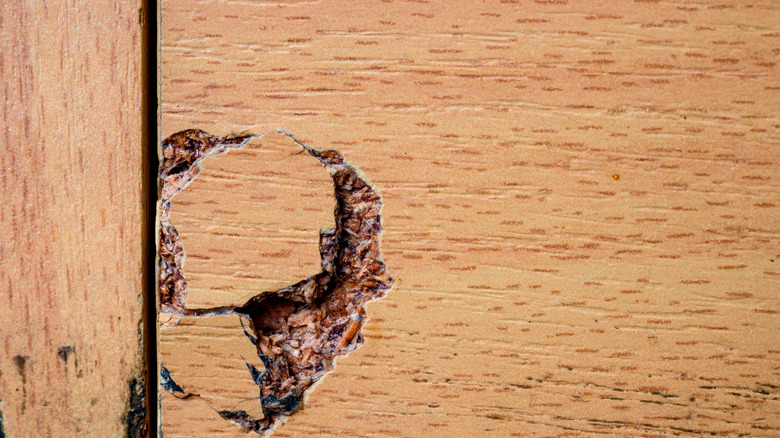
Finding flakes from crumbling kitchen cabinets can be shocking and could be caused by a number of issues. Particle board, a composite material often used in lower-quality cabinets, often flakes over time, and it usually has a shorter lifespan than solid wood cabinets. Previous water damage to the cabinet could warp it and cause it to crumble. Mold, usually caused by water damage, can also break down cabinets if not properly removed.
When kitchen cabinets start to crumble, there isn't much to be done about it. You can try chipping away as much as possible and using wood fillers or glue to help stabilize the cabinet. But this isn't a long-term solution. The best thing to do is replace the cabinets. That will give your kitchen a fresh start, and you can replace that particle board with something that will last a little longer.
The cabinets are outdated
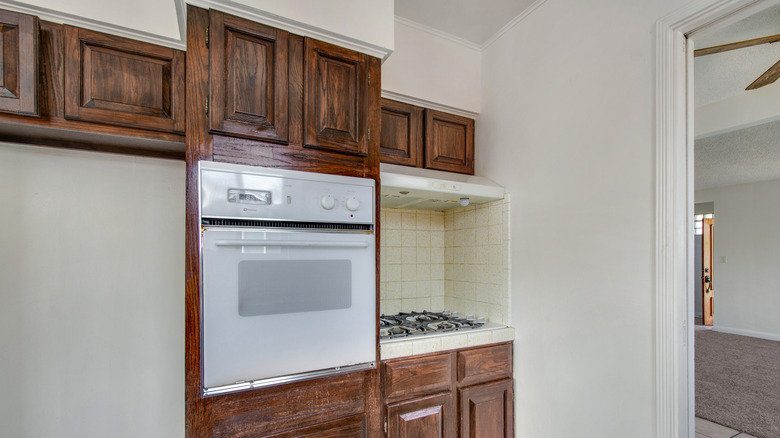
Even the most well-constructed cabinets will begin to look old and outdated at some point. Like everything else in the home, styles in the kitchen come and go, and what once looked chic is now looking dated. Cabinets finished in a dark hue may look dingy in kitchens that lack a lot of bright sunlight, even if they were trendy when they were installed. And ones with outdated silhouettes or details can bring down the vibe of the whole space.
Small changes can be made to modernize dated wood cabinets. Changing out the hardware can go a long way towards giving them a refreshed look. This can also help update the cabinets to your current style. If you replaced your faucet with a new one in a different finish, then swapping the cabinet hardware to match can help you get a little more life out of them. However, if the style is vastly outdated or the wood needs to be completely refinished, a new set will likely be your best bet.