

15 Low-Maintenance Perennials That Thrive In Raised Garden Beds
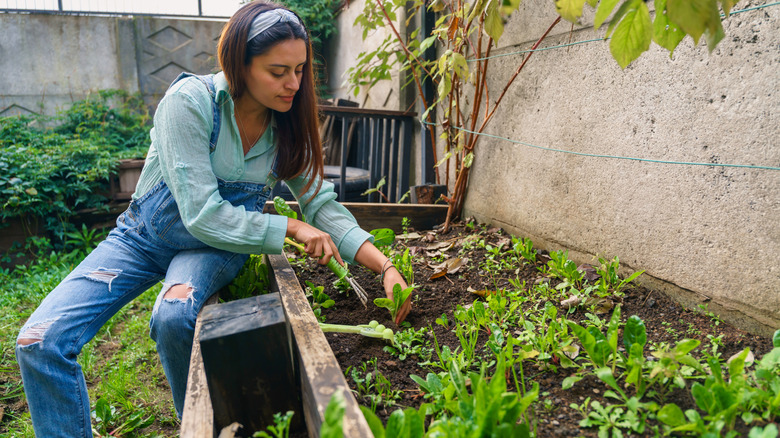
Gardening is supposed to be a relaxing hobby. But to make your outdoor space into the best version of itself, oftentimes means pouring your sweat — and even tears — into it. If you bought a raised garden bed thinking it would solve most of your problems, you likely found it brought a new set. Sure, raised gardens have oodles of advantages, like great soil drainage, but if you're putting in the wrong plants, it can make everything more complicated. Aggressive spreaders and deep-rooted plants like mint (the former) and asparagus (the latter) generally don't do well in raised beds. That's where low-maintenance perennials swoop in to help make your gardening experience truly effortless.
Your raised bed may be the most show-stopping one in your neighborhood, but if it's full of thirsty, high-maintenance plants, you'll spend most of your time replacing underperformers. Some veggies and herbs are rock stars inside raised garden beds, while other plants just don't thrive. But hardy perennials are like that consistent best friend. They don't need constant attention, but they show up when it matters most. Tough perennials — like peonies (Paeonia) and panicle hydrangeas (Hydrangea paniculata) — might look high-maintenance because of their big showy blooms, but they're actually some of the best raised garden performers. Even perennials that don't have big, beautiful blooms but give your space tons of color, like lavender (Lavandula) and mealy sage (Salvia farinacea), will give you a return on your investment for years to come. If you've ever hoped your raised garden bed could be more self-sufficient, these perennials are the ones that make that kind of garden possible.
Bleeding heart
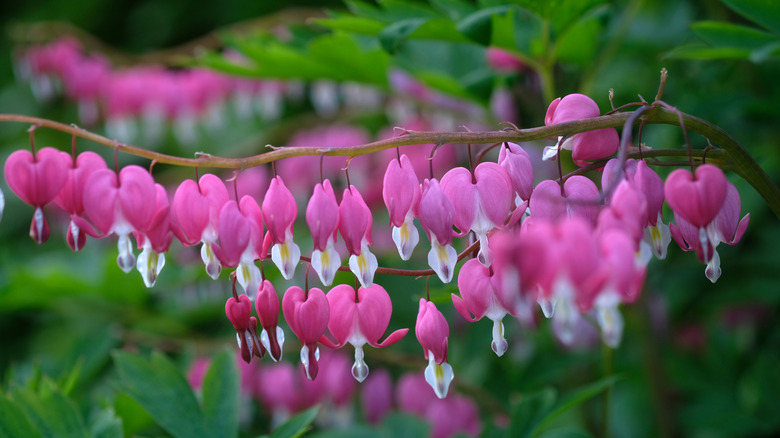
Bleeding hearts (Dicentra) are a sight to behold, thanks to their ornamental rows of dangly blooms shaped like little hearts. Hardiest in Zones 2-8, this early spring bloomer doesn't need a lot of attention besides the occasional watering during drier months. This pretty perennial requires well-drained soil and at least some shade in the afternoon to thrive. To encourage more blooms, you can try cutting the plant back after it flowers.
Butterfly bush
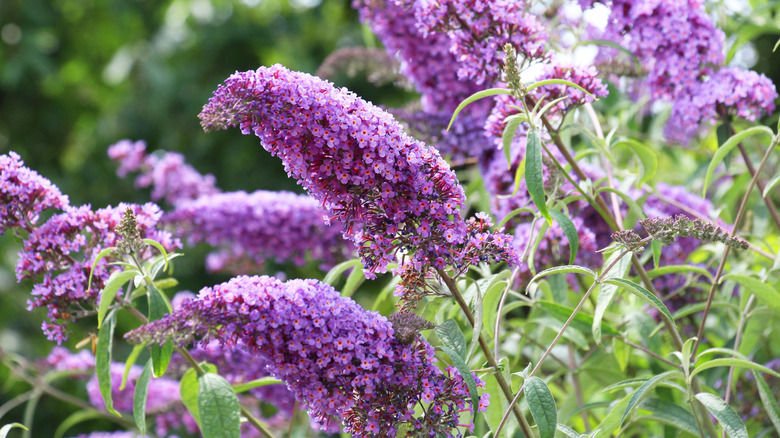
When you want to bring all the butterflies to your yard, a butterfly bush (Buddleja davidii) might make your space the best one in the neighborhood. Perfect for raised garden beds in zones 5-9, butterfly bush shrubs thrive in well-drained soil and can spread out as much as 15 feet. This drought-tolerant perennial also attracts other pollinators thanks to the honey-like scent of its blooms. Be sure to familiarize yourself with common butterfly bush problems and diseases to keep yours the healthiest. Be aware before planting that these blooms are considered invasive in many parts of the US, including the Pacific Northwest and California.
Peony
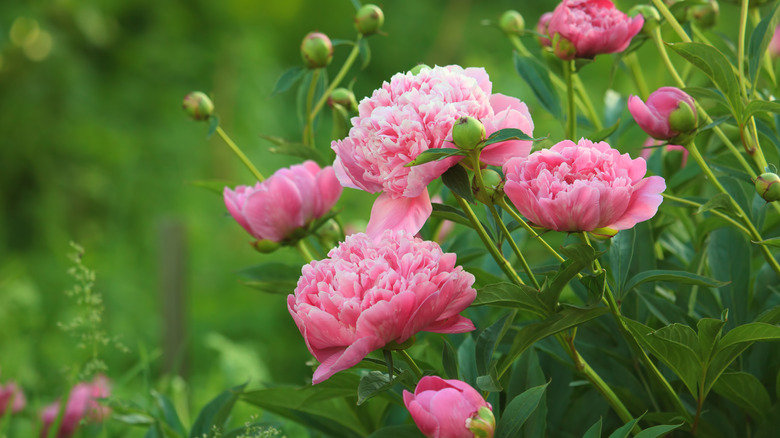
We're pretty partial to peonies. That's because they bring plenty of drama to any yard or raised garden bed in zones 5 to 7; however, they can grow relatively well if you live in zones 3 to 8. This easygoing perennial can live for decades as long as you give it plenty of sunshine, occasional water, and don't put these companion plants nearby your peonies. Peonies also make gorgeous cut flowers when you need to spruce up your indoors.
Garden phlox
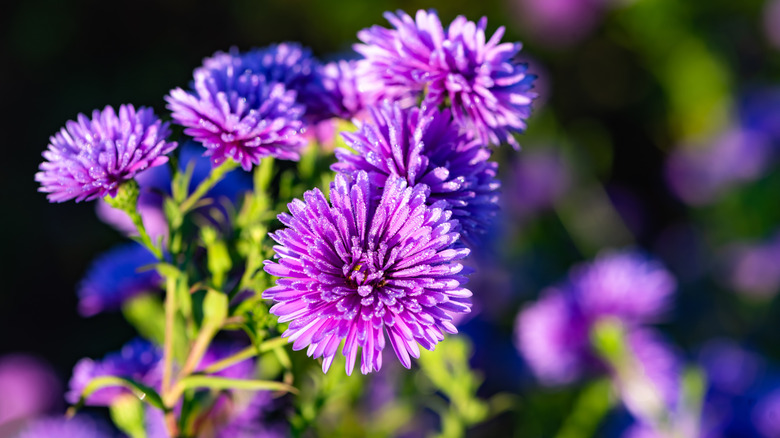
If you're a fan of purple-pink blooms, you'll adore garden phlox (Phlox paniculata) as a pretty addition to your raised garden. This classic cottage-garden perennial prefers cooler temperatures like those found in zones 4 to 8. It thrives in full to partial sun and can reach up to 4 feet tall and 3 feet wide. Once established, garden phlox is relatively easy to take care of, giving you plenty of color from July through September.
Lily of the Nile
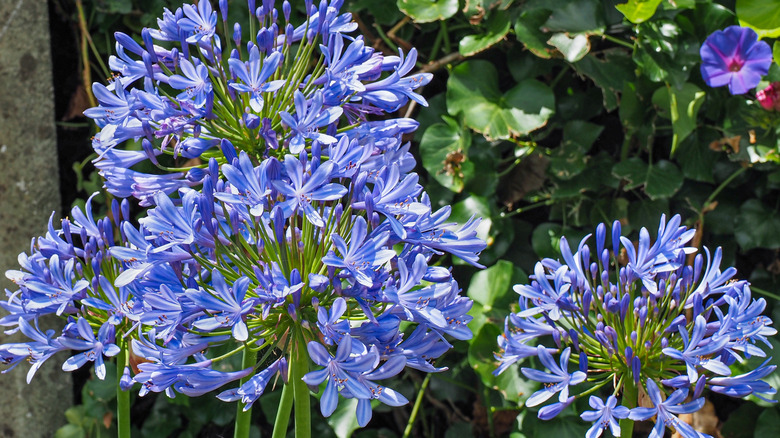
Lily of the Nile (Agapanthus africanus) is an architectural-looking perennial with clusters of tubular-shaped blooms in shades of blue, purple, or white with a distinct stripe running through the center of each petal. If you live in zones 8 to 11, Lily of the Nile will happily thrive in your raised garden bed. It's one of the most low-maintenance perennials, despite its appearance, and rarely needs much attention beyond an occasional watering.
False goat's beard
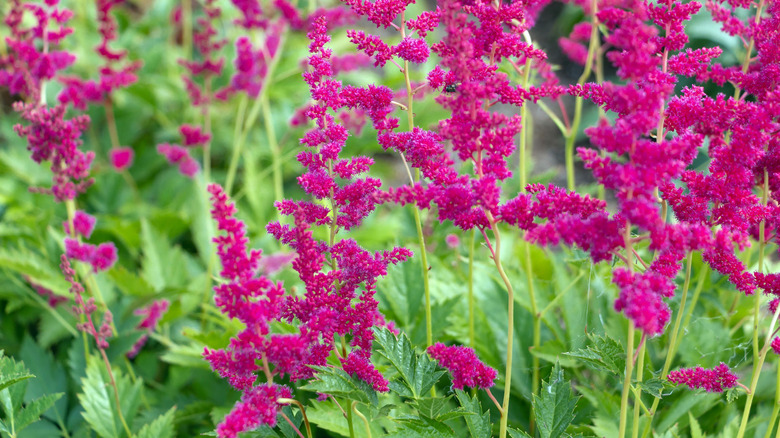
False goat's beard (Astilbe japonica) brings feathery texture to your raised garden. Preferring the cooler climates of zones 4 to 9, false goat's beard is easy to maintain when it's planted in a spot with dappled sunshine through the day. It has clusters of pretty plumes that can get up to 8 inches long from late spring into summer. Plus, bees will be more likely to make their way to your yard.
Wild columbine
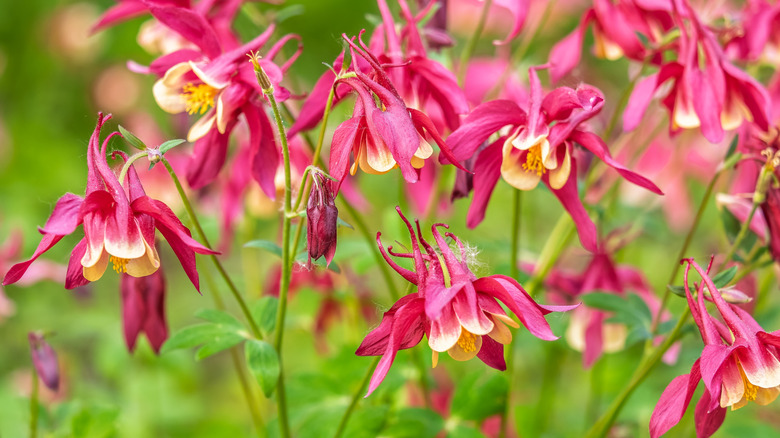
Wild columbine (Aquilegia canadensis) might sound a bit unruly, but this delicate perennial is a great pick for raised gardens. This perennial features clusters of droopy bell-shaped blooms that are beloved by hummingbirds, pollinators, and even songbirds when they pop up in the springtime. Wild columbine plants thrive best in zones 3 to 8 when it has part shade to full sun with plenty of drainage.
Lavender
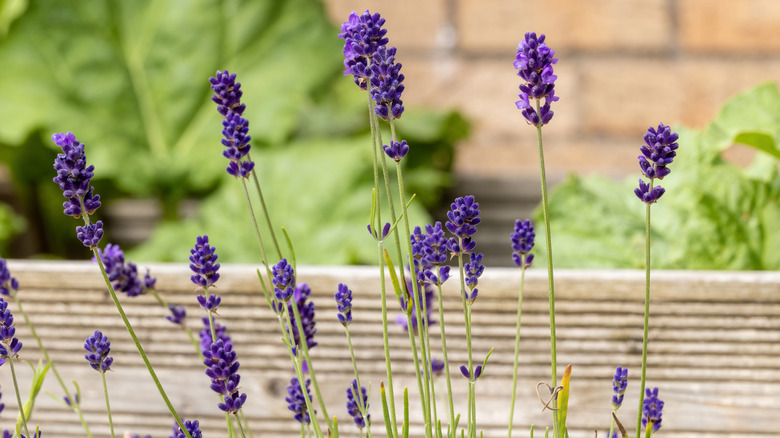
Avoid adding lavender to your raised garden bed if you don't want oodles of fragrance, color, and structure to fill your space. If you want all those things, lavender is one of the best low-maintenance perennials on the block. In fact, it needs adequate drainage to thrive in sunny spots in zones 5 to 9. Lavender is drought-tolerant and requires a little watering around once a week.
Panicle hydrangeas
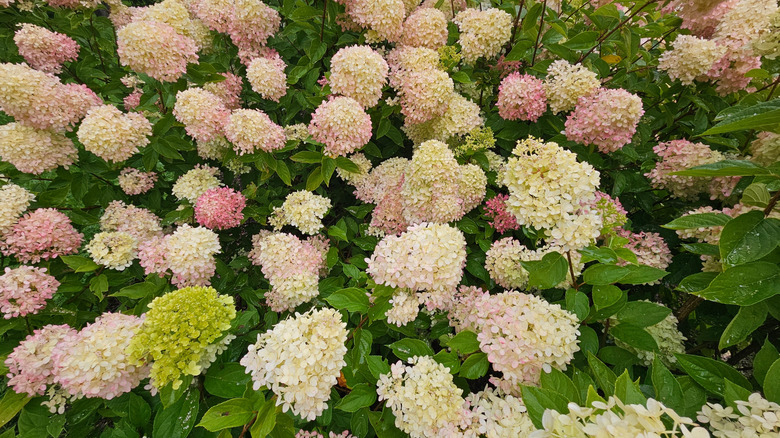
As the shining star of any raised garden, the sun-loving panicle hydrangea brings showiness and reliability to your space. It can handle a range of temperatures, from zone 3 up to zone 8, with ease. Unlike most hydrangeas, panicle blooms on new wood, so you won't have to worry about losing flowers after a pruning sesh in the winter. If you don't know what that means, find out the differences between old and new wood hydrangeas and which variety is best for you.
Blazing star
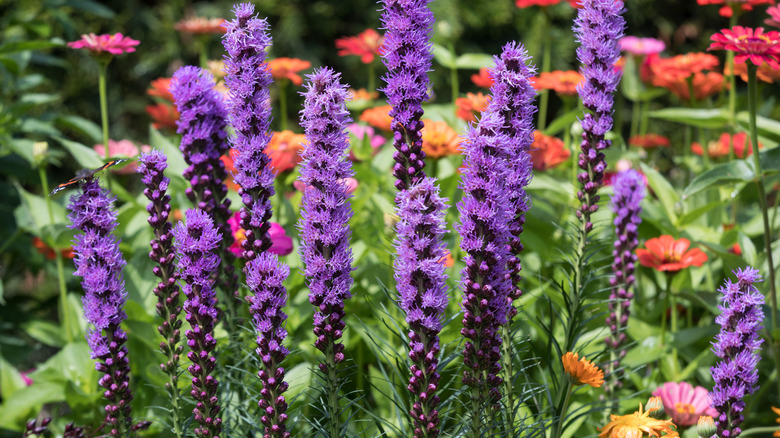
If you want to add a vertical perennial to your raised garden bed, blazing star (Liatris spicata) is the one to go with. It's a low-maintenance plant that's hardiest in zones 3 to 8 in full sun. Blazing star separates itself from other perennials because it blooms from the top down in lavender, pink, or white shades that can reach up to 12 inches long.
Zinnia
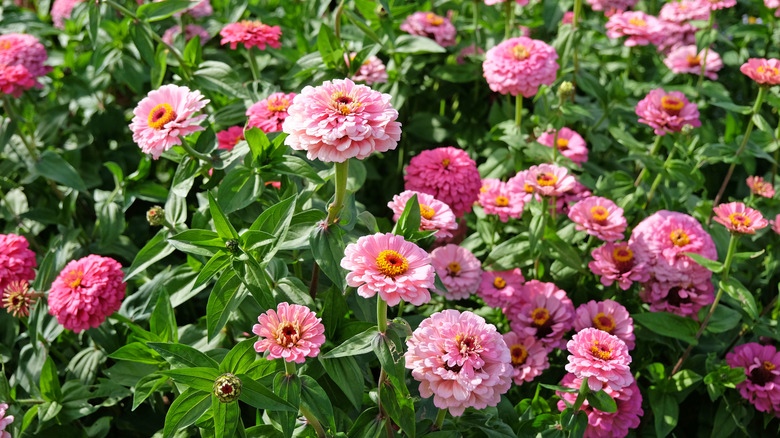
Zinnias (Zinnia) are easygoing, low-maintenance plants that can add a wide range of happy colors to your raised garden bed. Considered both an annual and a perennial, zinnias can handle a variety of conditions, from Zone 3 to Zone 10. Zinnias thrive in full sun and well-draining soil, with a blooming season lasting from spring into fall. The vertical-growing plant can reach up to 4 feet tall.
Chocolate cosmos
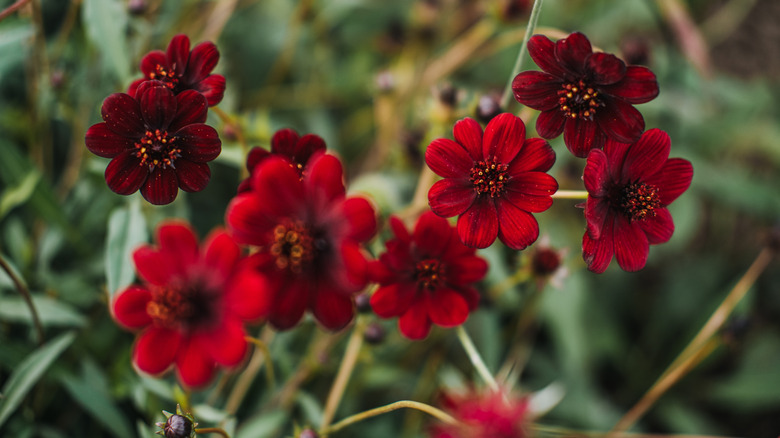
Chocolate cosmos (Cosmos atrosanguineus) flowers are beloved for their rich burgundy blooms and chocolatey fragrance that becomes stronger in sunlight. In USDA Zones 9 and below, chocolate cosmos is grown as an annual, but for zones 10 to 11, it's a pretty perennial. It prefers lots of sunshine and soil that allows for adequate draining, making it the perfect plant for a raised garden.
Mealy sage
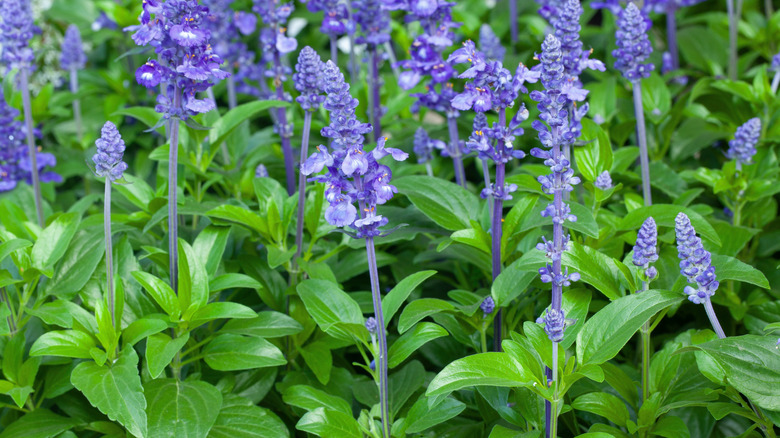
Mealy sage handles heat and dry climates like a champ. So, if you live in zones 8 to 10, your raised garden bed will be missing out if you don't add this perennial. It has upright blue, purple, or white spiky blooms that last for months, from spring to fall. Mealy sage attracts hummingbirds, butterflies, bees, and other little pollinators to its colorful clusters.
Begonia
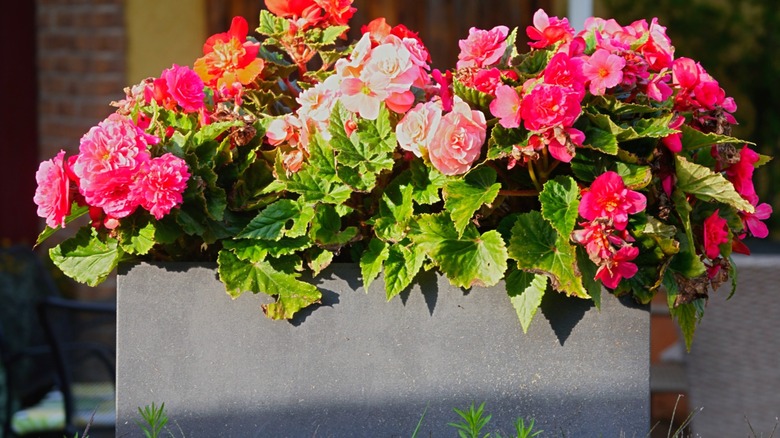
Begonias are tender perennials but are surprisingly tough while always pulling their weight in raised gardens. There are a slew of begonia varieties to pick from. However, they share a couple of traits: super showy blooms and low-growing foliage. Begonias thrive in part shade to light sun and love the loose, fast-draining soil that raised beds naturally provide, specifically the more humid climates found in Zones 10 to 11. They are only truly perennials in zones 9 to 11.
Cheddar pink
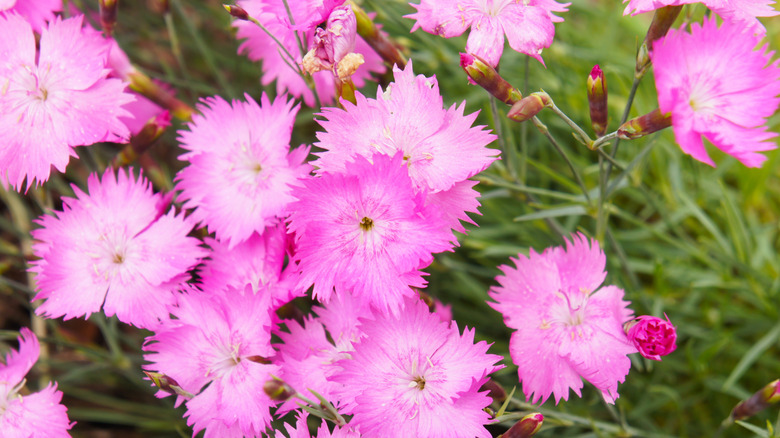
Cheddar pink (Dianthus gratianopolitanus) is the perfect perennial for anyone who loves pink in their raised garden beds, though it can also have purple, red, or white blooms. This compact, clove-scented plant prefers the cooler climates of Zones 4 to 8 and lots of sunshine. Once established, cheddar pink is drought-tolerant, but it will need an occasional drink of water if the drier conditions last too long.