

Garden Herbs That Aren't Worth Growing From Seed
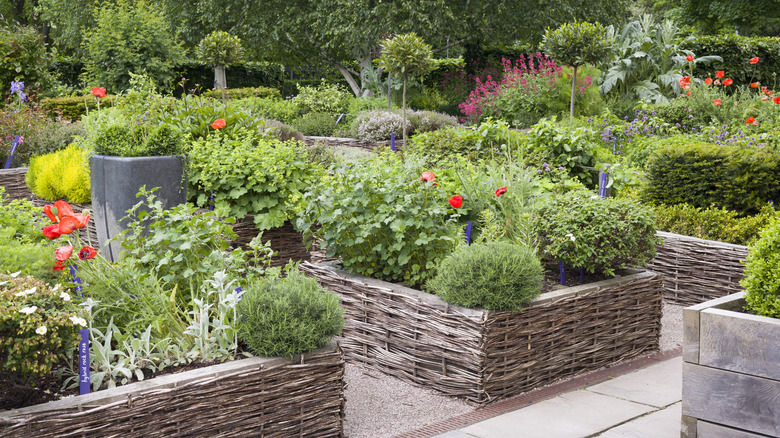
Standing in front of a wall of colorful seed packets makes it easy to believe that every herb should be planted in a starter tray, but trying to sprout anise or rosemary from scratch often results in disappointment. While watching a sprout emerge is part of the appeal, the growth habits of these plants can make them difficult for the average gardener to manage. Ignoring the specific needs of these finicky plants is one of the biggest mistakes people make when growing herbs at home. Anise (Pimpinella anisum), which grows well in USDA Hardiness Zones 4 through 9, has a sensitive taproot that makes it difficult to transplant if you start it in a typical small seed cell.
Rosemary (Salvia rosmarinus), a woody perennial to grow in USDA Hardiness Zones 8 through 11, is famous for its low germination rates and a growth rate that feels agonizingly slow during the first year. These seeds need light to germinate and consistent moisture without becoming waterlogged, a balance that can be difficult for beginners. For these plants, the sheer amount of time and effort required rarely leads to a harvest that justifies the struggle of starting from a tiny seed. Many gardeners find that buying established plants is a far more effective way to grow these herbs. This approach allows you to skip the hassle and get right to the part where you actually use these herbs in your cooking.
Growing anise from seed is a race against the calendar
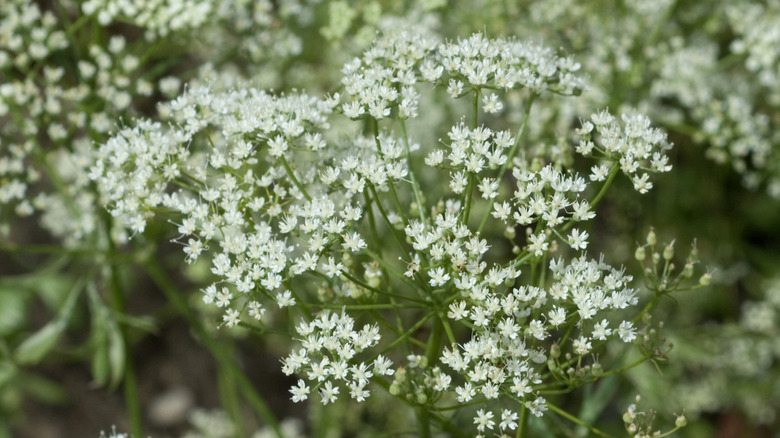
Attempting to grow anise from a seed packet is a common pitfall because the plant needs a very long, warm growing season of at least 120 days to produce its signature seeds. Since it hates having its roots touched, it's difficult to start it indoors to get a head start on the frost, meaning you're at the mercy of the weather. If the soil temperature doesn't stay at a consistent 70 degrees, the seeds may fail to germinate and could rot. If they do sprout, it's important that they have shelter from the wind and rain since they're very delicate.
Most gardeners in northern climates find that by the time the plant is ready to harvest, the first frost has already arrived to kill it off. Because of the taproot, you can't save a struggling seedling by moving it to a better spot later in the season. Any shift in the soil around the root usually ends with the plant failing to thrive. Buying a plant that's already established and leaving it in a container is often the best way to make sure you get those fragrant seeds before the seasons change. This can save you the headache of constantly monitoring the soil moisture for a plant that might never reach maturity in time for you to use it. Planting anise next to cilantro can create herb pairs that make the perfect garden companions, since the anise helps mask the scent of neighboring plants to deter pests.
Rosemary grows too slowly to provide a harvest in the first season
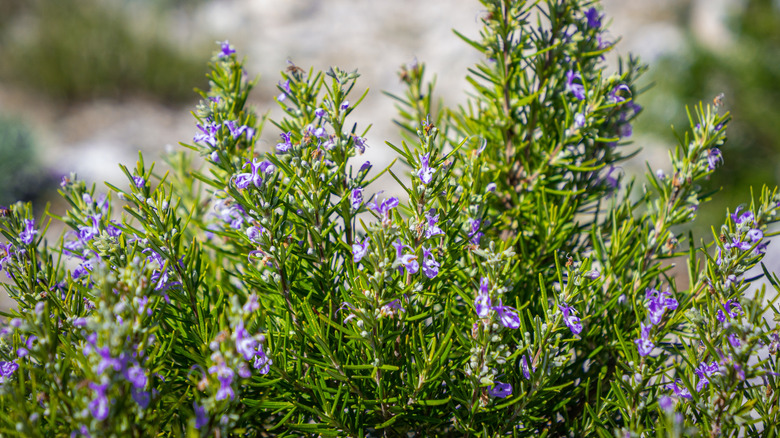
Trying to grow rosemary from seed is often a test of patience that most gardeners won't win because the seeds are famously finicky and take forever to sprout. You might wait almost an entire month just to see a single green speck emerge from the soil, only to find that the seedling grows only a few inches tall over the next several weeks. By the time a seed-started rosemary is large enough to provide a single sprig for your dinner, an established plant would have already doubled in size. Many gardeners rely on cuttings because seeds often result in plants that don't have the strong aroma and high oil content found in culinary varieties. Seeds also have a short shelf life, losing their ability to sprout quickly if they aren't fresh, which adds another layer of difficulty to the process.
Seedlings are also susceptible to damping off, a fungal issue linked to poor air circulation and overly wet soil. Skip the frustration of the seed tray and head to the garden center for a pot that's already established. Picking up a healthy, well-rooted plant is the easiest way to help your rosemary plants thrive while avoiding any headaches. You'll save yourself months of work and end up with a plant that can be harvested by the time cold weather sets in. Unlike anise, rosemary handles being moved into a larger pot if you want to bring it indoors during the winter.