

Grow This Flavorful Apricot Variety For A Delicious Summer Harvest
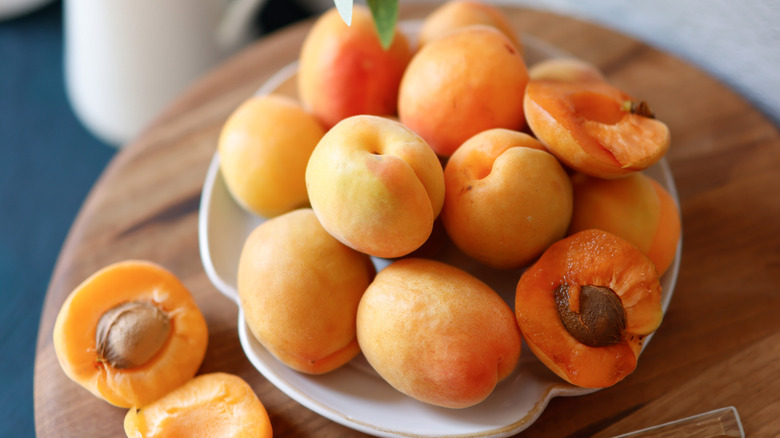
Apricots are juicy and tasty fruit that give you a little burst of sunshine on your tongue when you take that first bite. Fragrant fruit trees will also attract pollinators to your yard in the spring. But there is one variety that holds a special place in the hearts of home growers and orchard enthusiasts alike due to the potential for an even more flavorful summer harvest. The Blenheim apricot (Prunus armeniaca 'Blenheim') has long been celebrated as one of the most flavorful varieties you can grow. This variety grows best in USDA hardiness zones 7 through 8, but it can survive in zones 5 and 6 when properly protected in cold weather.
Blenheim apricots look similar to any other apricot variety, boasting a golden-orange skin with rosy blushes. It is commonly used to make vibrant jams and preserves or sun-dried apricots that can be mixed into winter snacks for year-round enjoyment. When cared for properly, your Blenheim will burst with elegant pink and white blossoms in the spring that emanate a pleasantly sweet fragrance. By summer, the blooms turn into gorgeous, full fruits that are often picture-perfect. Whether you're planting your first fruit tree or adding an heirloom to an existing orchard, the Blenheim apricot tree offers a delicious reward that is well worth the effort.
Caring for a Blenheim Apricot tree for a quality summer harvest
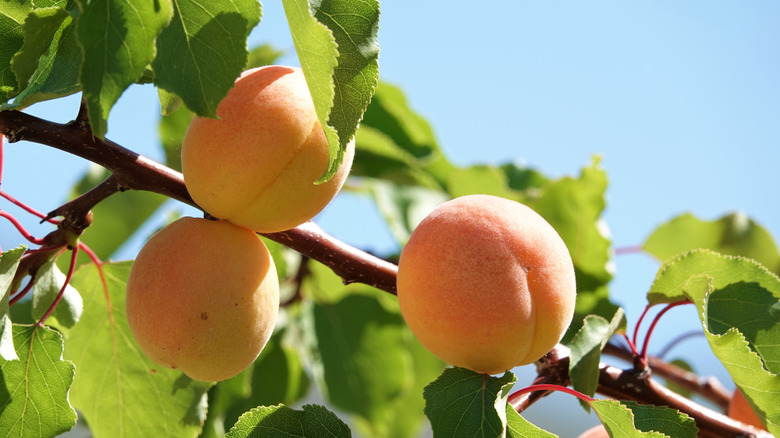
If you want a fruitful harvest from your apricot tree, there are some things you should know before planting. Cultivating a thriving Blenheim apricot tree starts with choosing the right location in full sun with at least six hours of unfiltered light each day. They also need spacing for air to circulate around the canopy, but they should have protection from strong winds. The combination of increased sunlight and air circulation helps promote robust flowering. In addition, the tree does best with fertile, well-draining soil with a neutral pH.
Once you've chosen your location and planted your Blenheim apricot tree, the real care begins. Watering is one of the most important aspects of nurturing this variety to promote a quality summer harvest. During the root development stage, it is essential to provide deep, consistent moisture. Initially, you will want to give it at least two deep soaks by pouring water slowly over the soil until it is fully saturated. Then, add water once each month until leaves start to bud. You can add mulch to the soil a few inches from the trunk of the tree to help retain moisture. When the tree begins fruiting, water weekly. After the first year, you will want to avoid overwatering when the tree is dormant.
If you want a quality harvest, you will need to consider how to prune an apricot tree for a thriving plant and better fruit production. Blenheim apricot trees are especially prone to damage during frost periods, so it is best to prune them after bud break. Unlike many other apricot trees, Blenheim is self-pollinating; however, it can produce more fruit when cross-pollination is introduced.
Things to look for when harvesting your Blenheim Apricot
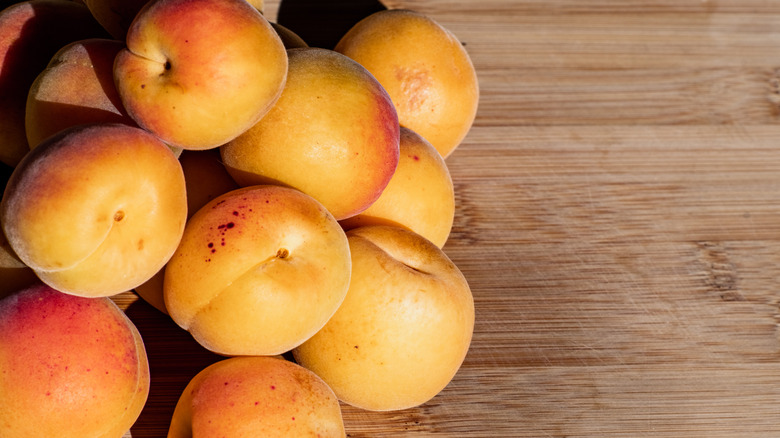
When it is finally time to collect your summer harvest, you'll want to stay vigilant about checking your tree for ripe fruits, overcrowding, and signs of disease. Blenheim apricot trees have a relatively short harvest window, but the timing of when you pick your fruit will have a huge impact on the flavor. Generally, you can expect to harvest for a few short weeks (at most) in the middle of the summer, sometime between late June and early July. Check your tree every day or two once the fruit begins to color to identify the best fruits to harvest before the birds and other wildlife get to them.
To determine if your fruit is truly ready, look for fruits that have developed a rich, uniform color — golden with a warm blush — and give slightly under pressure. If they are still rock hard, give them another few days. They should also smell fragrant, like honey, before you pick them. Timing is key. If you pick too early, the flavor will be tart, but if you wait too long, the fruit becomes overripe, soft, and prone to splitting. Blenheims do not store well, so they should be eaten no later thanthree days after harvesting, or they should be preserved shortly after.