

15 Smart Cleaning Habits Pros Use To Stay Ahead Of The Mess

We may receive a commission on purchases made from links.
There's nothing quite like walking into a pristine, clutter-free home. Unfortunately, maintaining it clean and organized can become a job in and of itself. But here's a secret: You don't have to dedicate hours of your free time cleaning for a fresh and tidy space. Instead of spending weekends tackling overwhelming, seemingly never-ending chores, you can adopt small, intentional practices into your regular routine that keep your home looking neat, smelling great, and feeling welcoming.
Through exclusive interviews with four cleaning experts, House Digest has compiled the following guide exploring 15 smart cleaning habits pros use to stay ahead of the mess. These helpful tips are quick and incredibly easy to incorporate. Luckily for you, they also reduce the need for deep cleaning marathons. From swift nightly pickups and daily counter wipe-downs to squeegees and leaving your shoes at the door, read on to discover how to keep a consistently clean home.
Doing a nightly pickup
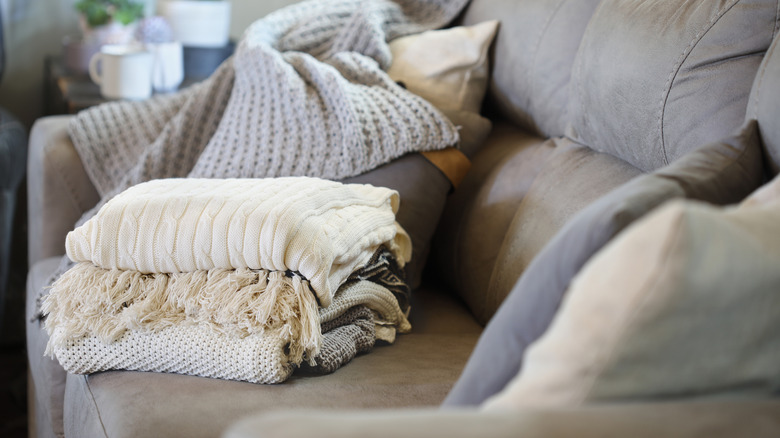
The last thing anyone wants to do after a long day is any work whatsoever. It's completely normal to resent the idea of cleaning in the evening, but you can shift to a consistent, "good enough" approach that'll keep mess from accumulating. In an exclusive interview with House Digest, Jill Koch, owner of Jill Comes Clean, suggests doing a quick nightly pickup and tidy-up. "You'll be amazed at how clean your house will look just from being picked up. So, even if you can't dust or vacuum, simply put things away each day, and that will help avoid large piles of messes that take longer to work through later," she says.
Truly, all you need are practical, low-effort strategies. Koch recommends putting the kitchen to bed each night and tidying up other obvious messes. Start with clearing surfaces and putting items back where they belong. Even small things like folding throw blankets or keeping a catch-all tray or basket in living areas can make a huge difference. If your trash is full, take it out. Load or rinse dirty dishes and put away what's clean. Toss dirty laundry into the hamper, and fold or hang any stray clothes. Think of it as giving your home a quick reset, so it feels fresher when you wake up.
Squeegeeing after every shower
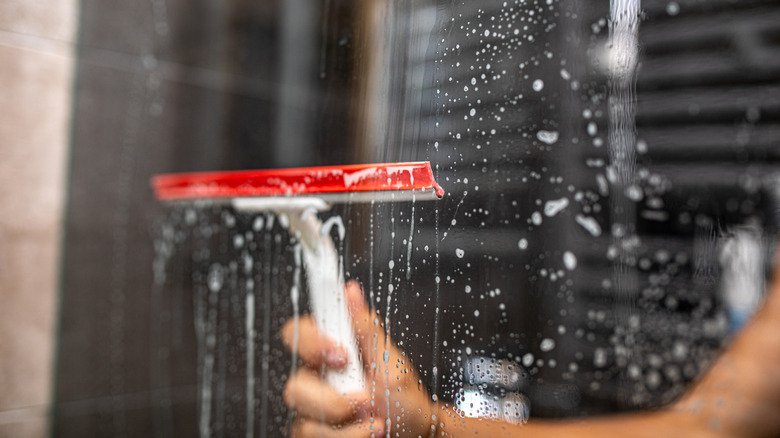
Don't underestimate the power of a good ol' squeegee. This affordable, handy tool can go a long way in keeping your shower clean and preventing mold and mildew. Plus, it lowers the need for more regular, deep scrubbing. Also, Koch states, "it helps cut down on soap scum and hard water buildup," both of which can lessen the lifespan of your shower. She squeegees her glass doors after every shower. "It sounds tedious," she admits, "but I promise it becomes a habit that you'll do without even thinking about it." And she's right, it'll add only 30 seconds to your shower routine — tops.
To implement this cleaning routine, keep a squeegee at the ready inside your shower, either by hanging it from a caddy or self-adhesive hook. After you're done showering, use it to remove excess water from glass, walls, and any seats. Once you've stepped out, you can also run it over the floor or tub to help the space dry quicker.
Applying a ceramic coating spray to glass shower doors
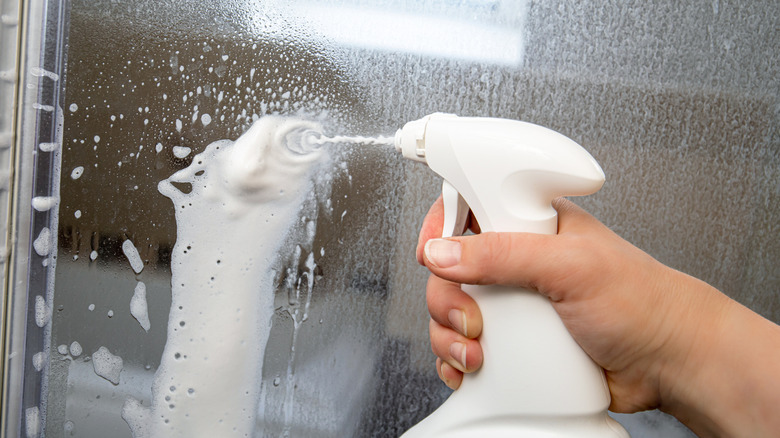
If you have them, you can also keep glass shower doors clean and streak-free for longer with the simple addition of a ceramic coating spray. Koch tells us that she uses Lifeproof Ceramic Coating Spray, but that Rain-X is another great option. As she explains, "It puts a clear protective coating on the door that allows soap scum and hard water to not stick as easily. This keeps the doors clean a lot longer, so you don't have to scrub them or deep clean them as often."
Typically, you should start with prepping and cleaning the surface. Then, spray it on and, in a linear motion, wipe it in with a microfiber towel. Immediately after, buff off any residue. When you're done, let it cure for at least two hours before using the shower. But, keep in mind that it's always best to read the product's specific instructions on the back.
Sticking to a routine for dishwasher and washing machine cleaning
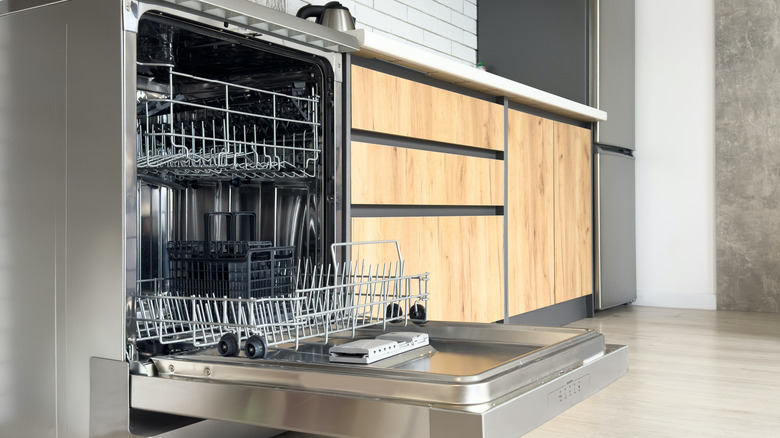
People tend to overlook the fact that the appliances that do the washing for them also need cleaning themselves. Your dishwasher and washing machine should be regularly cleaned to remove limescale, mold, buildup, bacteria, and odors. Not doing so can undermine their efficiency and performance, and lead to a decrease in their lifespan. "Cleaning the machines that clean for us keeps them working their best so they last longer and they do their job more efficiently," stresses Koch.
To stay on top of it, she suggests adopting a routine. "Picking a specific day makes it easy to remember to do it and stick with the habit," she advises. Her method involves dropping a cleaning tablet in on the first of each month, which is how often you should be cleaning both your dishwasher and washing machine. Staying this consistent will ensure your appliances always remain clean and save you headaches down the line.
Setting up the sink for a weekly deep clean
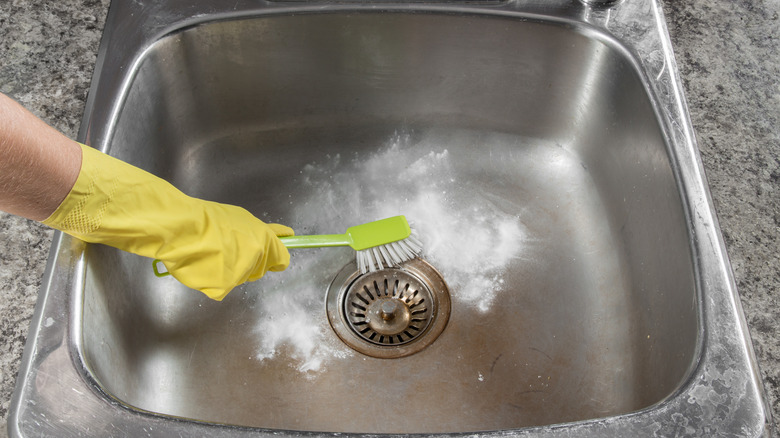
Out of the many mistakes everyone makes with their kitchen sink, failing to give it a regular deep clean is among the biggest. The kitchen sink is one of the dirtiest places in the home, with some experts even claiming that it's dirtier than the toilet bowl. Because of its wet and moist environment, it's an ideal breeding ground for harmful bacteria, including E. coli and Salmonella. Think about it — you use it to wash your hands, clean dirty dishes, rinse raw meat, and dispose of food scraps. It's a nasty spot.
For optimum cleanliness, Koch encourages a weekly deep clean, which can eliminate germs and prevent stubborn grime and odors. Letting us in on her method, she mentions, "I like to keep a shaker style bottle of baking soda with some lemon essential oil added to it under the kitchen sink. Every Sunday night, I sprinkle that in the kitchen sink and top with a drizzle of dish soap, then scrub." But it's also something you can do nightly. PSA: Don't forget to get the area around the drain, too.
Keeping a soap dispensing brush in the bathroom
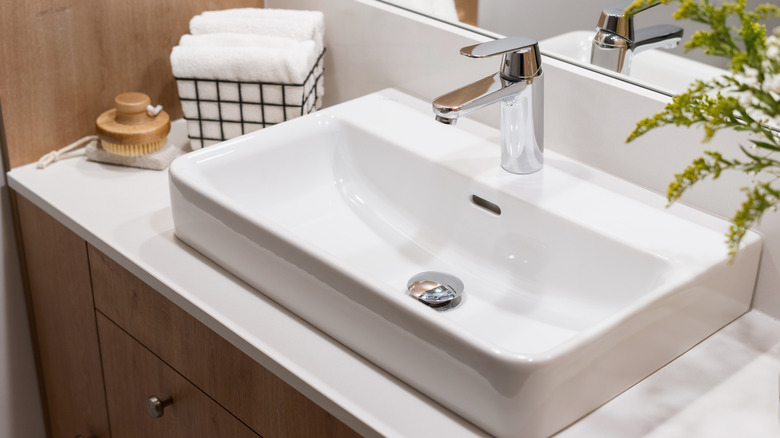
Can't get enough of low-effort ways to keep your bathroom clean and spotless? Koch fills us in on a hack you probably haven't heard of before: keeping a soap dispensing dish brush under the sink. "This way, when you're brushing your teeth and notice the sink bowl is dirty, you can multi-task and give it a quick clean. Or you can take it in the shower with you once a week and quickly clean the shelves, walls, and floor," she comments. Based on her expertise, it "allows you to stay on top of the messes and keep the bathroom cleaner longer," meaning you won't have to deep clean it as often.
However, not just any soap dispensing dish brush will do. Using one with a sponge head will completely defeat the purpose, as they never quite dry out all the way, especially in a humid environment, making it easier for bacteria and mold to grow. Instead, opt for a bristle type, like this OXO Good Grips Dish Brush. Or you can use the MR. SIGA Soap Dispensing Dish Brush, which comes with a holder for easy organization and storage.
Wiping down hardware and faucets after showering
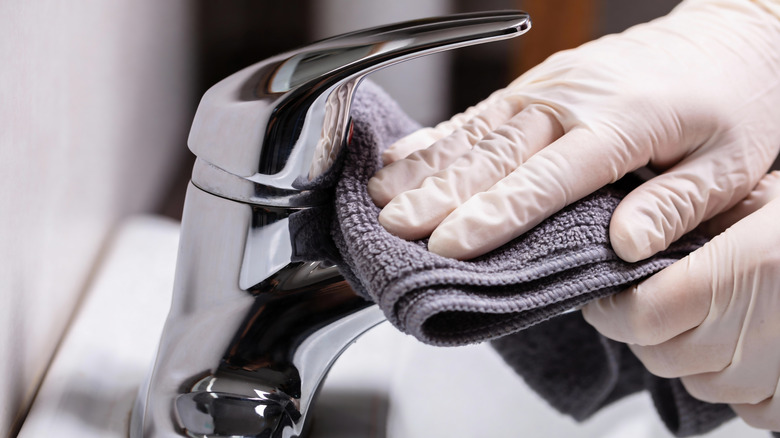
Removing excess moisture from bathrooms is key if you don't want to go elbow-deep in cleaning and scrubbing as often. During her exclusive House Digest interview, Alexis Rochester, investigative chemist and creator of Chemistry Cachet, shares that after squeegeeing her shower, she always wipes off all the hardware and faucets using a microfiber cloth, which "absorbs the moisture, removing any trace of water." This is another way to prevent stubborn mineral buildup, water spots, and soap scum. But make sure you're using a soft, lint-free cloth to avoid scratching or damaging your fixtures. And don't skip your shower head.
"The last step," Rochester informs us, "is leaving the shower door open. Following these habits each day has cut down on shower cleaning by 75%!" To further protect against mold and mildew, you should use that same microfiber cloth to wipe ledges, corners, and hard-to-reach areas inside your shower. Pay attention to grout lines, shower door tracks, and behind caddies and bottled products.
Sorting mail upon entry
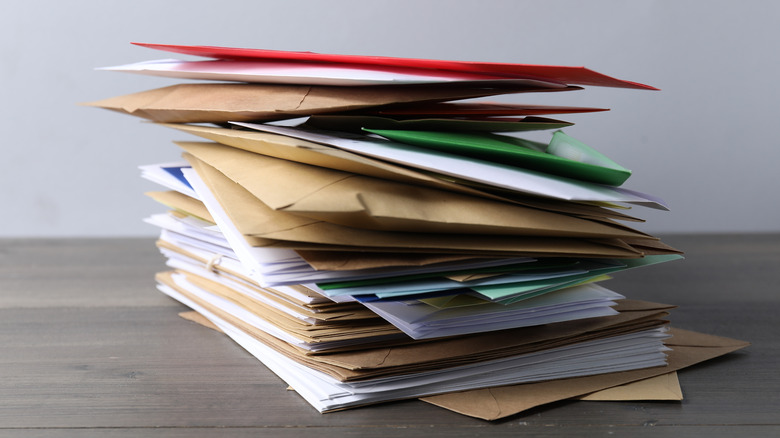
One of the fastest ways that clutter sneaks up on you is through stacks of unopened mail. You walk in through the door, and likely toss it aside along with your keys. But it's among the numerous common items you should declutter for a cleaner, tidier home. For Rochester, the way to do it is by making it a habit to sort mail and papers the moment they come in. "Instead of letting them sit on the counter for several weeks or more, I come inside with the mail and open the letters, throw away junk mail, and file anything important into the filing cabinet. If a bill needs to be paid, I try to pay it right away too," she remarks.
Additionally, you should establish designated paper places in your home. If you know you won't always get to the mail right away, try organizing it with something like this Dollar Tree dish rack hack that eliminates mail clutter. When it comes to important documents and bills, keep them filed in folders in a cabinet, closet, or drawer. Set aside a binder or drawer for coupons and take-out menus, but only the ones you know you'll use. Keep things like school memos, receipts, magazines, and catalogs in their own spots, as well. And immediately recycle what you don't need.
Wiping down all countertops daily
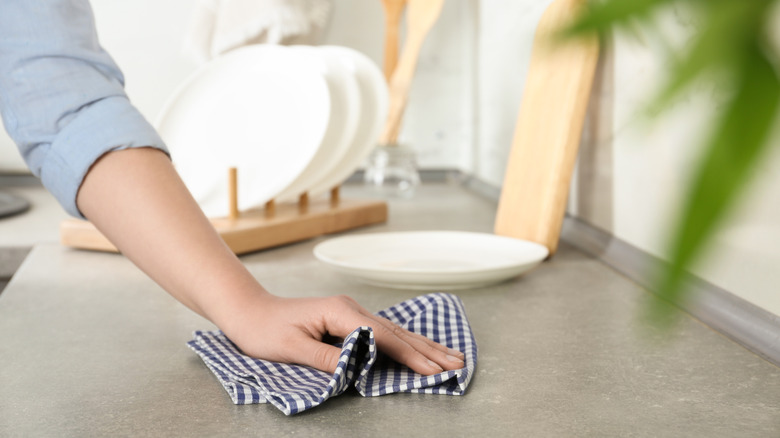
Don't make the easy mistake of ignoring everyday grime on your most frequently used surfaces. You should wipe both your bathroom and kitchen counters daily to inhibit bacteria growth and maintain a healthy cooking space. A quick, daily wipe-down can also help you stay ahead of the mess and make your home feel fresher. So, avoid waiting for grease, dirt, and crumbs to pile up. Left alone, and they'll only add to your workload later on.
Thankfully, you can keep it simple. No elbow grease. No scrubbing. Not much effort. Just take a play from Rochester's notebook: "I keep a bottle of my DIY all-purpose countertop cleaner in both the kitchen and bathroom, and every evening I give the counters a quick spray and wipe." She adds that "the daily cleaning not only makes them look better, but saves time on cleaning too." While you're at it, wipe down your coffee table, side tables, and nightstand. It is, however, important to note to make sure the product you're using is safe for each surface.
Routinely removing things from areas they don't belong
By far one of the best cleaning habits to get ahead of the mess is routinely removing items from places where they don't belong. This routine should also include getting rid of things that are no longer of use and are just taking up space in your home. While speaking exclusively to House Digest, Jessica Litman, otherwise known as The Organized Mama, claims that while it may seem obvious, you'd be surprised at how much clutter stops piling up afterwards.
Begin in living areas and common spaces. Then, go room to room and take out whatever doesn't belong and store it or put it in its proper area. If you're not using it anymore, toss it out. This doesn't have to be an overwhelming task. You can set a timer for five, 10, or 15 minutes and just focus on the obvious. You'll thank yourself for it come cleaning day. Litman's advice is to ask yourself the following questions during your sweep: "When was the last time I used that item? Does this item belong in a different location? Do I have something similar to this item that may be better?"
Giving everything a zone
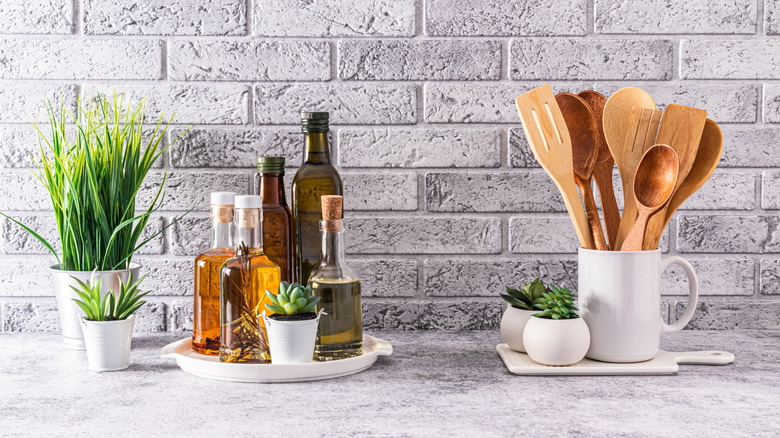
Giving everything a zone prevents clutter, enhances appearance, and optimizes efficiency. Not to mention, it helps make the most of your space. So, what exactly does "zoning your home" entail? As Litman explains, "you group items together based on how you use them." These functional zones serve as intentional, designated areas tailored to specific tasks or activities.
Using the kitchen as an example, Litman describes how you can zone it based on specialties or how you cook. For example, define a meal prep area near cutting boards, knives, measuring cups, and spices. Similarly, set your baking zone close to cookie sheets, cake pans, mixing bowls, and other baking supplies. Corral essential staples, like utensils, oils, and salt and pepper shakers, on a wooden board, stylish tray, or riser in a spot near the stove. For a drinking station, keep all glassware in the same cabinet by your refrigerator or ice maker. And consider a coffee station or corner, where you can keep everything you need to brew a cup or make a latte. But don't stop there. In your living room, you can create a cozy reading nook, or angle a couple of chairs together for chatting. Evaluate how you use each room in your home to get inspired with more ideas.
Establishing a dedicated drop zone
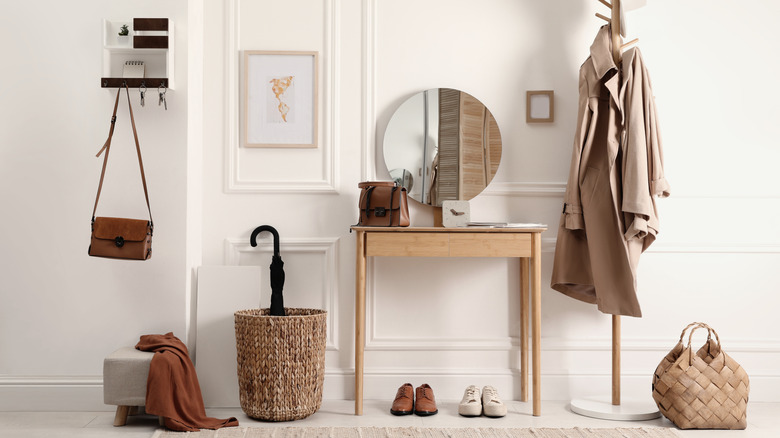
Speaking of giving everything a zone, creating a drop zone is an easy way to maintain order in your entryway. Litman advocates for a place "where you can put all your stuff from coming in the door," like your purse and keys. "This way," she says, "nothing gets placed somewhere you don't know where it is when you need it." It's especially helpful if you don't have a mudroom.
To set your drop zone, choose a place where you and your family typically enter and exit the home, be it your garage, back door, or side door. On a side table, place trays, small dishes, or catch-alls for smaller items, such as loose change, sunglasses, and wallets. Underneath, keep a basket or bin for bigger items. Organize everyday shoes on a rack. And use hooks if you'd rather hang grab-and-go items, like keys, purses, backpacks, umbrellas, and dog-walking leashes. Aside from nipping clutter in the bud, this habit makes walking out the door easier and simplifies your everyday routine.
Tidying as you go
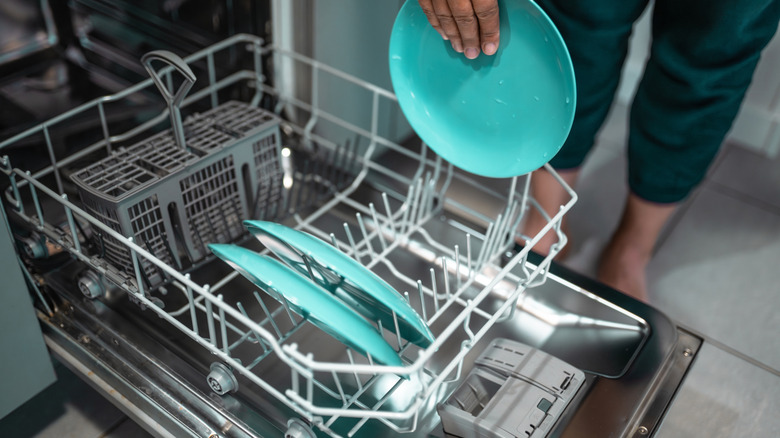
Perhaps the most proactive strategy when looking to save time on cleaning is to make it a habit to tidy up as you go. "It's one of the easiest ways to prevent messes from piling up," President of The Cleaning Authority, Katie Dills, tells House Digest in an exclusive interview. This easy-to-follow practice takes hardly any time at all. Moreover, it makes future chores feel a lot less overwhelming by often breaking them up into smaller, more manageable chunks. Busy households and homes with fewer square footage, where clutter and dirt tend to amass more quickly, can especially benefit from this pro cleaning habit.
According to Dills, you should, "start with simple habits like making your bed first thing in the morning, keeping a hamper in your bedroom or bathroom, so clothes go straight in after use, and placing dishes in the dishwasher immediately after meals." Other simple ways to implement this routine include cleaning your refrigerator out before you go grocery shopping, quickly sweeping the kitchen floor after dinner, cleaning one small appliance every time you load the washing machine, or decluttering your desk before a Zoom call. As Dills points out, "over time, these small actions become second nature instead of feeling like another big cleaning project."
Leaving shoes at the front door
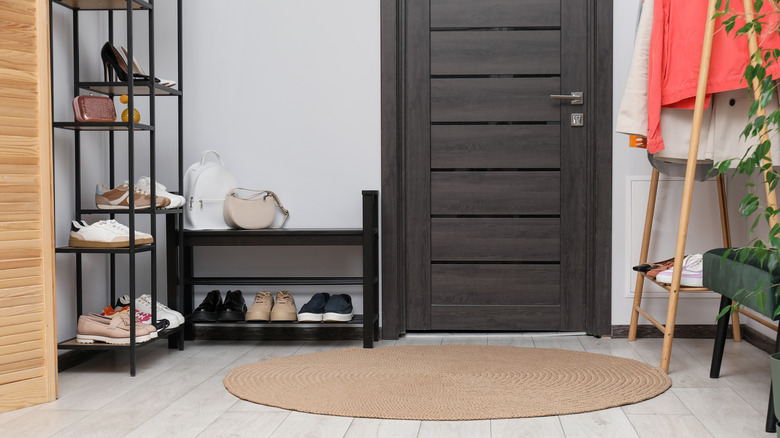
This might be a hard truth to hear, but if you're walking through your home with outside shoes, it's never as clean as you think it is, no matter how much vacuuming and mopping you do. Dills emphasizes the importance of leaving shoes at the front door, noting that they "track in dirt, dust, and grime from outside, which quickly spreads throughout the home." In fact, scientific studies have shown that they can bring in harmful bacteria, such as E. Coli, Clostridium difficile, and Staphylococcus aureus. Furthermore, they're an invitation for animal feces, viruses, mold, pollen, and allergens to travel indoors.
"By removing your shoes immediately, you contain the mess to a smaller area, which is easier to manage and keeps your floors cleaner for longer," Dills reasons. You don't have to leave them haphazardly lying at your door. As mentioned earlier, add a rack, where you can leave everyday shoes or drop the ones you're wearing coming in. Or get a shoe bench, like SONGMICS Shoe Rack Bench. If you don't have the space, an over-the-door rack will do.
Eliminating lingering moisture
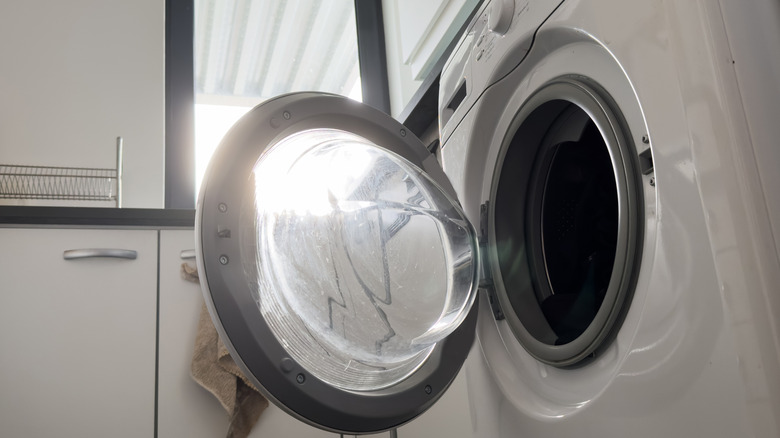
Eliminating lingering moisture is crucial for a cleaner, fresher home, as it prevents mold and mildew, reduces dust mites, and removes musty odors. Doing so also hinders the growth of viruses and bacteria, which thrive in humid environments. "Simple actions like leaving the washing machine lid open after a load, cracking the dishwasher door after a cycle, pulling shower curtains fully closed so they can dry flat, and wiping condensation from window sills during temperature swings help moisture evaporate more quickly," says Dills.
But don't just stop there. On days it isn't humid outside, open windows and ventilate your home. Keep moisture-reducing plants in your bathroom and throughout the house. Some houseplants that can help keep your home mold-free are English ivy, spider plants, and snake plants. If you have an AC, turning it on can help. Also, investing in a good dehumidifier is more than worth it.