

Start This Hardy Perennial Indoors In Late Winter For A Spring Full Of Colorful Blooms
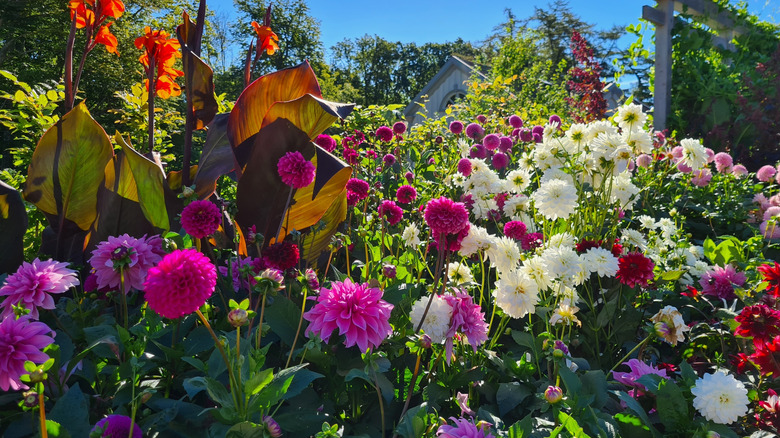
Staring at a frozen garden in February makes it hard to believe that a yard full of flowers is just a few months away. If you want to beat the garden store rush, columbine (Aquilegia) is an excellent choice to start right now. These plants are famous for their unique, bell-shaped flowers that look like tiny hanging lanterns. They're incredibly tough, growing well in USDA Hardiness Zones 3 through 8. They can handle the unpredictable swings of early spring weather without missing a beat. While many people wait for the local garden center to stock their shelves, starting these seeds on your windowsill during the tail end of winter gives the plants a significant head start. This early jump allows the root systems to establish themselves before the summer heat arrives, making sure your garden looks healthy while the neighbors are still digging holes.
Plant native columbine to attract hummingbirds and bumblebees waking up from winter. Because columbines typically only live for about three or four years, starting a fresh batch of seeds every winter makes sure you always have new plants ready to take over when the old ones fade out. This creates a self-sustaining cycle in your garden beds without much effort. Deer and rabbits also find the plant bitter and will move on to find something more appetizing. By starting your seeds in late winter, the leaves have plenty of time to toughen up, which gives them a much better survival rate than the greenhouse-raised plants you might find at a big-box store.
How to start columbine seeds indoors before the last frost
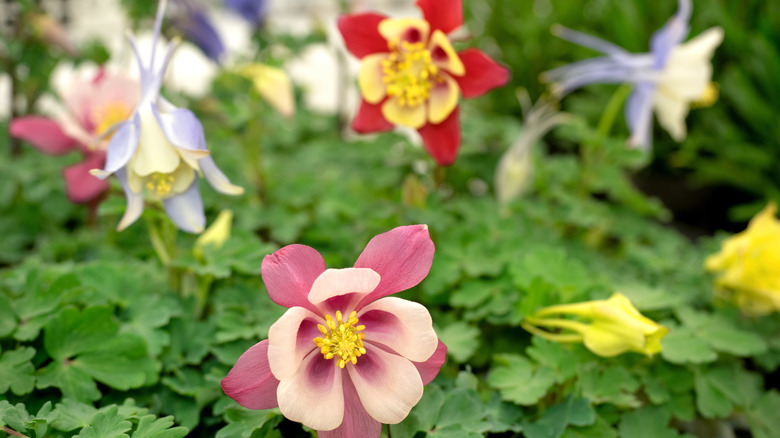
Getting these seeds to wake up requires a little bit of trickery to mimic the natural change of seasons. In the wild, they spent months under the snow, so you should put your seeds in a damp paper towel inside a plastic bag and tuck them into the refrigerator for about three to four weeks. Once that chilling period ends, move them into a seed tray filled with a light, airy potting mix. A common mistake is burying them too deep. These seeds need light to sprout, so you should just press them onto the surface of the soil. Keep the tray in a bright spot where temperature stays around 70 degrees Fahrenheit, and make sure the soil stays consistently moist but not overly wet. You'll start to see tiny green shoots poking through in about a month.
Creating the perfect conditions to grow columbine plants starts with a clean environment. To prevent common seedling diseases like damping-off, make sure your growing area has good air circulation and use a sterile seed-starting medium rather than garden soil. If you're using a plastic humidity dome to keep moisture levels steady, remove it as soon as the first sprouts appear to avoid trapped heat and fungus growth. These young plants benefit from about 16 hours of light, so a grow light positioned a few inches above the tray can prevent them from becoming thin and leggy. Once the seedlings develop their first set of true leaves, you can begin feeding them with a diluted, half-strength water-soluble fertilizer to support their growth. This type of environment allows the plants to build a thicker stem than they would if they were fighting the elements outside from day one.
Best tips for transplanting columbine into your spring garden
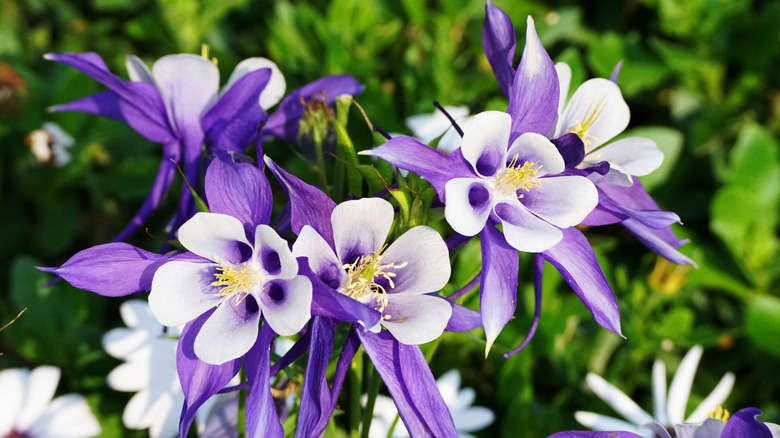
When the weather finally warms and your columbine seedlings have grown a few sets of sturdy leaves, it's time to prepare them for their move outside. Before you put them in the ground, you should harden them off by putting them outdoors for a few hours each day in a sheltered spot, gradually increasing their exposure to wind and direct sunlight for about a week. This process prevents transplant shock and makes the stems stronger. When you finally dig your holes, try to be as gentle as possible with the root balls because they develop a long taproot that doesn't like to be disturbed. Space each plant about a foot apart to give them room to breathe and spread as they mature.
Understanding how to grow and take care of columbine makes sure they grow well. Columbine plants are happiest in spots that get a mix of sun and shade, especially in areas where the afternoon sun can be too much. To keep your plants growing well, apply a thin layer of mulch around the base of the plants to retain moisture and keep the roots cool during the hotter months. While these plants usually put most of their energy into growing leaves during their first season, starting them early indoors helps them have the strength they need to grow flowers for many seasons to come. If you want to encourage a second growth of blooms or keep the plants looking tidy, remove the spent flower stalks before they go to seed. The shape of the flowers makes them a favorite for hummingbirds, who often stop by to feed as soon as the first blossoms appear in the spring.